What is the path of the Sun through constellations?
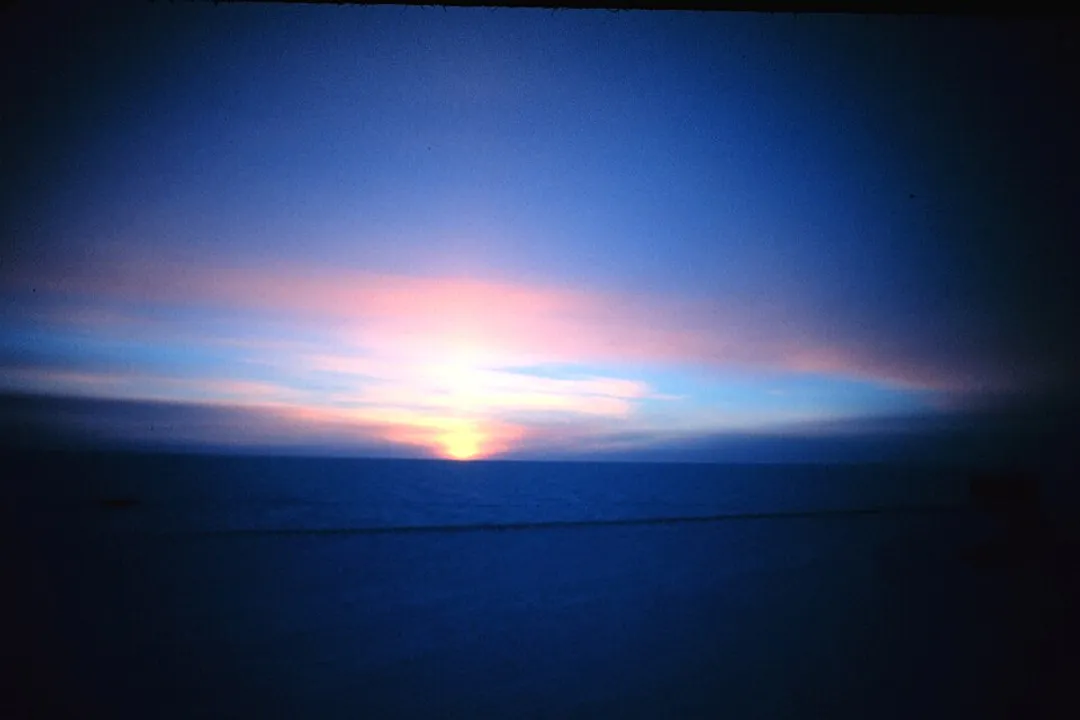
The path the Sun traces across the sphere of the sky over the course of one year is fundamental to understanding how we mark time and map the heavens. This apparent track is not a random line, but a precise, great circle on the celestial sphere known formally as the ecliptic. [1][4][8] It serves as the reference line against which nearly all celestial motions—like those of the planets, Moon, and asteroids—are measured, as they also orbit within the plane defined by Earth’s revolution around the Sun. [1][4]
# The Ecliptic
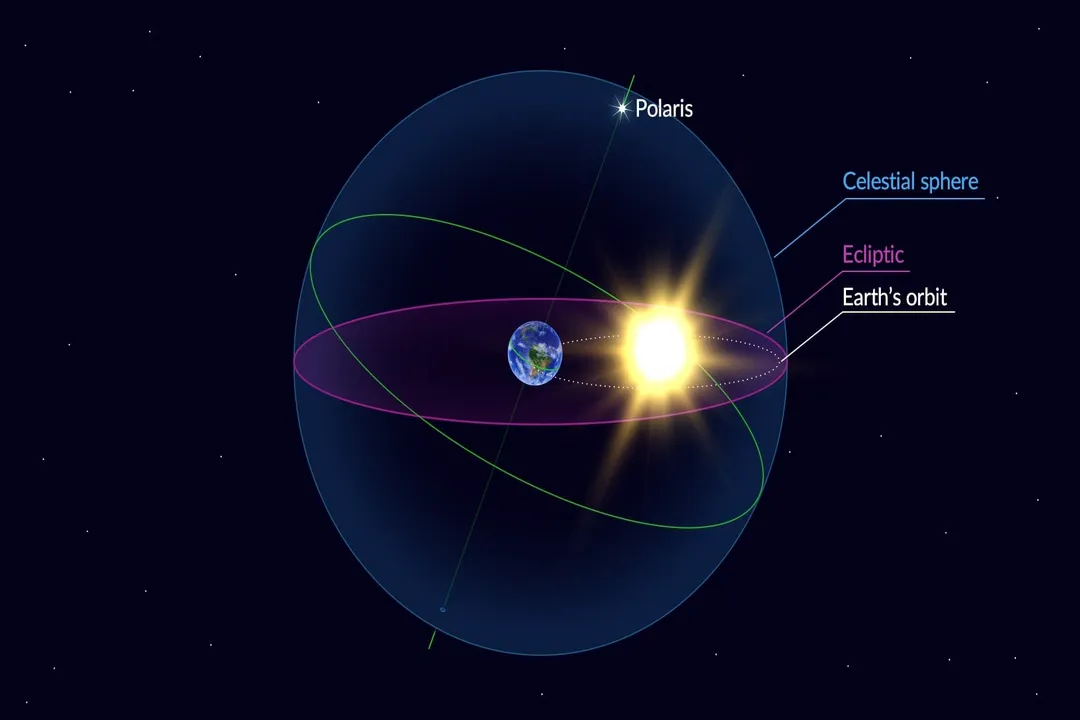
To visualize this, imagine the plane of Earth’s orbit around the Sun extended outwards into space until it hits the distant background stars. [4] That intersection forms the ecliptic circle. [1][8] Because the Earth’s axis is tilted relative to the plane of its orbit, the ecliptic is tilted relative to the celestial equator, the projection of Earth’s equator onto the sky. [1][4] This tilt amounts to approximately . [1][4]
This angle of inclination is not merely a geometric curiosity; it is the direct cause of our seasons. [4] When the Sun reaches its highest point above the celestial equator, we mark the summer solstice, and when it sinks to its lowest point, we have the winter solstice. [4] The two points where the ecliptic crosses the celestial equator are significant markers: the vernal (spring) equinox and the autumnal equinox. [1] As the Earth orbits, the Sun appears to move steadily eastward along this established track. [5]
# Zodiac Belt
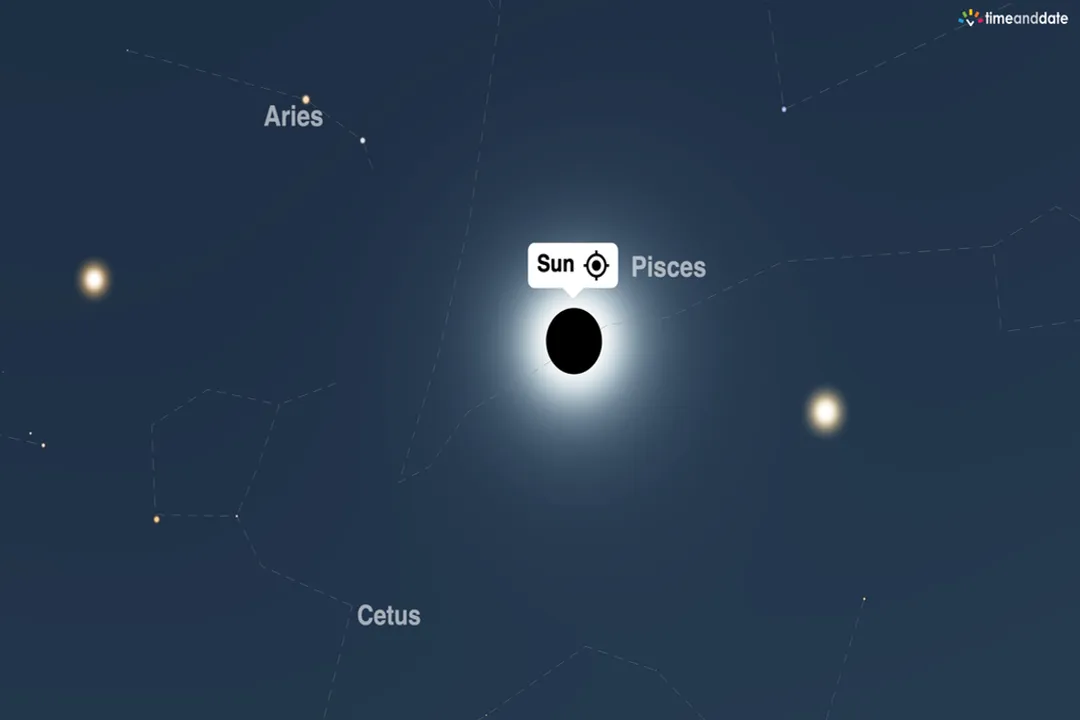
The collection of constellations that happen to lie near the ecliptic—the belt through which the Sun appears to travel—is known as the Zodiac. [3][8] Since the Sun defines this path, the constellations that lie along it are the ones we associate with solar travel throughout the year. [8]
Historically, the 12 traditional constellations or "signs" of the Zodiac were established based on dividing the ecliptic into 12 equal segments of each. [3] A sign was assigned based on the Sun's position during a specific arc. [3] While this ancient system provides a convenient way to talk about the Sun's approximate location at any given time, modern astronomy recognizes that the constellations themselves do not adhere to these neat boundaries. [3]
The Sun moves through these constellations over the course of the year, spending roughly a month in each one before progressing to the next along the ecliptic plane. [5] This progression is what defines the length of our solar year. [1]
# Thirteen Signs
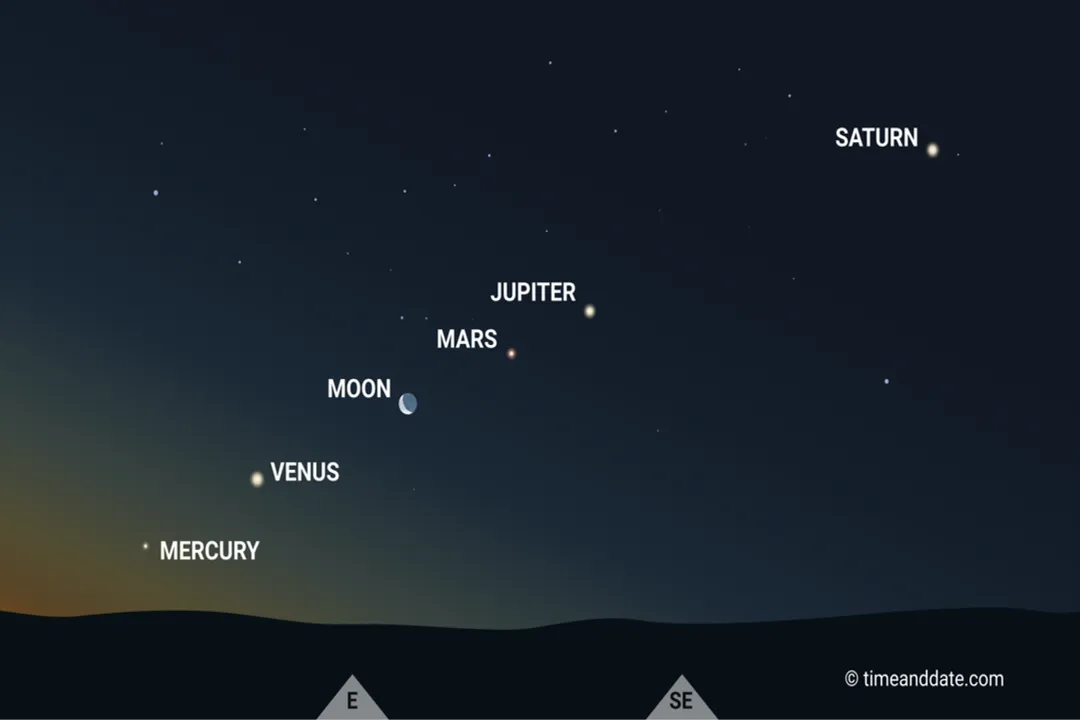
Here is where the ancient zodiac system and modern astronomy diverge significantly. While the traditional astrological framework uses 12 signs, the Sun actually passes through 13 constellations recognized by the International Astronomical Union (IAU) whose boundaries intersect the ecliptic. [3]
The extra constellation is Ophiuchus, the Serpent-Bearer. [3] Because the actual boundaries of the constellations are irregularly sized, the time the Sun spends within each official IAU constellation boundary is not equal, nor does it align perfectly with the traditional monthly divisions. [3] For example, the Sun spends a relatively short period in Gemini but a much longer time traversing the space designated as Virgo. [3]
| Traditional Sign | Approximate Duration (Days) | IAU Constellation Intersected |
|---|---|---|
| Aries | Pisces, Aries, Taurus | |
| Taurus | Taurus, Gemini | |
| Gemini | Gemini, Cancer | |
| Cancer | Cancer, Leo | |
| Leo | Leo, Virgo | |
| Virgo | Virgo, Libra | |
| Libra | Libra, Scorpius, Ophiuchus | |
| Scorpius | Scorpius, Ophiuchus | |
| Sagittarius | Sagittarius, Capricornus | |
| Capricornus | Capricornus, Aquarius | |
| Aquarius | Aquarius, Pisces | |
| Pisces | Pisces, Aries |
The actual time spent in each constellation varies based on the Sun’s orbital speed, which changes slightly throughout the year because Earth’s orbit is an ellipse, not a perfect circle. [1] This elliptical nature means the Sun moves fastest when Earth is closest (perihelion, around January) and slowest when farthest (aphelion, around July). [1] Therefore, the Sun covers the arc corresponding to a traditional sign faster or slower depending on where in the orbit we are looking. [1]
# Solar Motion
The Sun’s visible movement along the ecliptic is what we observe as the changing date line against the backdrop of fixed stars. Because the entire celestial sphere appears to rotate daily due to Earth’s spin, the specific constellations visible in the night sky change gradually week by week as the Sun occupies a new section of the ecliptic.
Consider the date of the Summer Solstice. At this point, the Sun has reached its northernmost point along the ecliptic relative to the celestial equator, marking the longest day of the year in the Northern Hemisphere. [4] Six months later, at the Winter Solstice, the Sun is at its southernmost point, yielding the shortest day. [4] These points define the extreme limits of the Sun's north-south excursion along the ecliptic.
Observing the sky provides a practical check on this celestial geometry. If you look at the sky around midnight on a particular night, the constellations rising due East are those currently being "passed" by the Sun in the western sky at sunset, while the constellations directly overhead (culminating) are roughly opposite the Sun’s position on the ecliptic. This creates a consistent relationship: the zodiac constellation the Sun is currently in is the one that dominates the daytime sky and is therefore not visible to us at night.
For instance, if someone is trying to determine if the Sun is currently in the region traditionally assigned to Leo, they would simply need to look toward the Leo region in the daytime sky. At night, around midnight, they should expect to see the constellation opposite Leo on the ecliptic—which would be Aquarius—rising in the east, or perhaps see Sagittarius culminating, depending on the exact time and date. This astronomical relationship provides a tangible way to trace the Sun's path using visible markers.
# Mapping Constellations
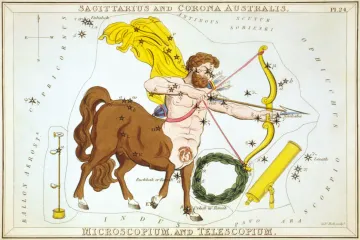
When astronomers precisely map the Sun's path, they are mapping the ecliptic relative to the fixed stars defined by the IAU boundaries. [8] The ancient Babylonian system, upon which Western astrology is largely based, projected the ecliptic onto the sky and divided it into 12 signs, assigning a constellation to each arc. [3] However, the actual celestial boundaries set by the IAU decades ago do not align with those divisions or the traditional constellation assignments. [3]
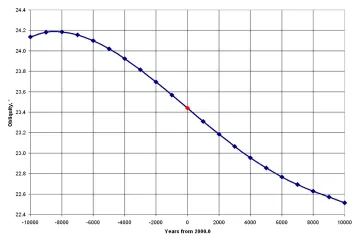
A fascinating way to appreciate this difference is to consider precession. The Earth’s axis slowly wobbles over a cycle of about 26,000 years, a phenomenon called precession. [1] This slow wobble causes the apparent position of the equinoxes to shift westward along the ecliptic over time. [1] As a result, the constellation that holds the Sun on the Spring Equinox today is not the same one it was associated with two millennia ago when these signs were first cataloged. [1] This slow, long-term shift in the relationship between the Sun’s position and the Earth’s axial tilt further complicates any attempt to rigidly match the modern path to the ancient labels.
The ecliptic remains fixed relative to the Earth-Sun orbital plane, but the constellation names we apply to sections of that path change their alignment with the dates assigned to them over the millennia due to precession. [1] This means that if you know the Sun is currently located at a specific celestial longitude along the ecliptic today, that longitude corresponds to a different constellation marker than it did in antiquity. This is a critical distinction for those interested in the physical reality of where the Sun is versus where traditional calendars place it.
#Videos
The Ecliptic: Crash Course Kids #37.2 - YouTube
Related Questions
#Citations
Ecliptic - Wikipedia
The Path of the Sun, the Ecliptic - NASA
AstroPages | Zodiac | Western Washington University
What Is the Ecliptic? - Time and Date
The Ecliptic: Crash Course Kids #37.2 - YouTube
ELIM5: How exactly do we map the sun's ecliptic path, the zodiac in ...
Ecliptic - In-The-Sky.org
What Is the Ecliptic: The Sun's Path In the Sky - Star Walk
Sun's Location on the Ecliptic - SkyMarvels.com