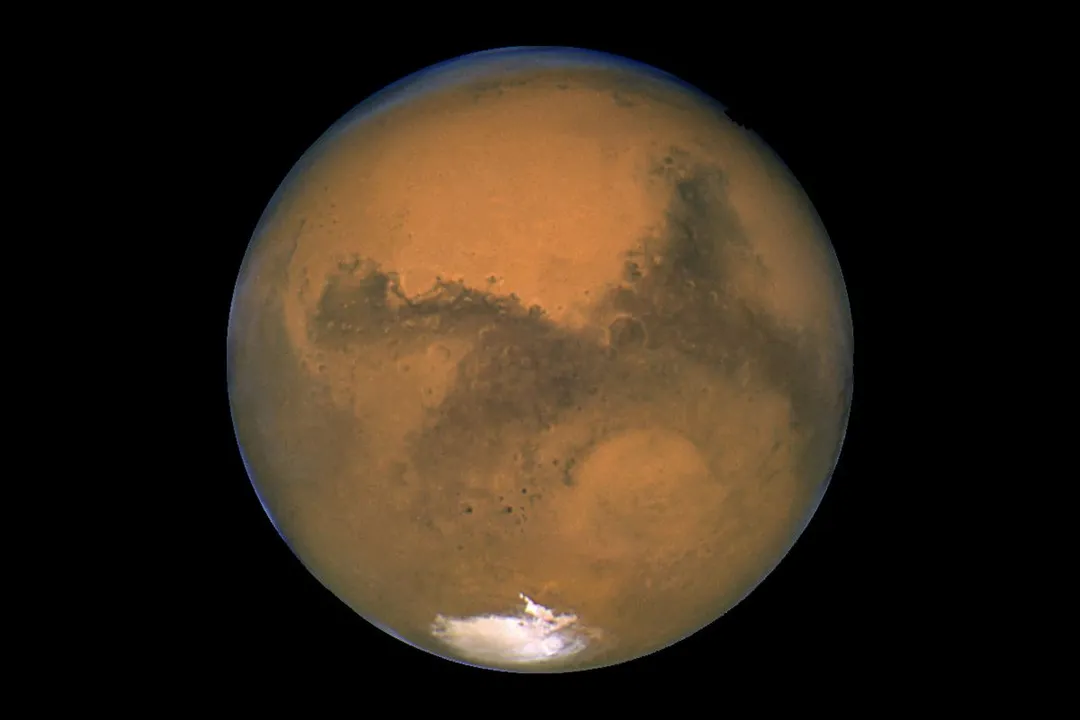
Why did the intoxicating concept of a habitable Mars foster acceptance of unconfirmed visual data in the 19th century?
The very concept of a habitable world nearby made suggestive but unconfirmed data easily accepted as fact
During the period leading up to the canal obsession, the mere possibility that a habitable world, complete with oceans and rivers, existed close by in the solar neighborhood was deeply appealing and intoxicating to scientists and the public alike. This strong desire for discovery meant that visual data, even if fuzzy, indistinct, or suggestive rather than definitive, could easily be interpreted as confirmation. When observers saw features that looked like seasonal changes or, later, lines resembling canals, the inherent excitement of potentially finding neighbors caused suggestive but ultimately unconfirmed visual interpretations to quickly morph into accepted facts within the scientific and public discourse.