Do people still believe in aliens?
The persistent fascination with life beyond Earth shows no sign of fading; in fact, data suggests a substantial portion of the population actively maintains a belief in extraterrestrial existence. [1][3] This is not merely a fringe phenomenon limited to late-night talk shows or niche online forums; surveys reveal that a majority of Americans, for example, affirm their belief in intelligent life existing somewhere beyond our planet. [3][4] However, digging deeper into these numbers reveals a crucial distinction: believing in the statistical possibility of aliens is vastly different from believing they have already made contact or are currently visiting our planet. [1][2][7]
# Public Numbers
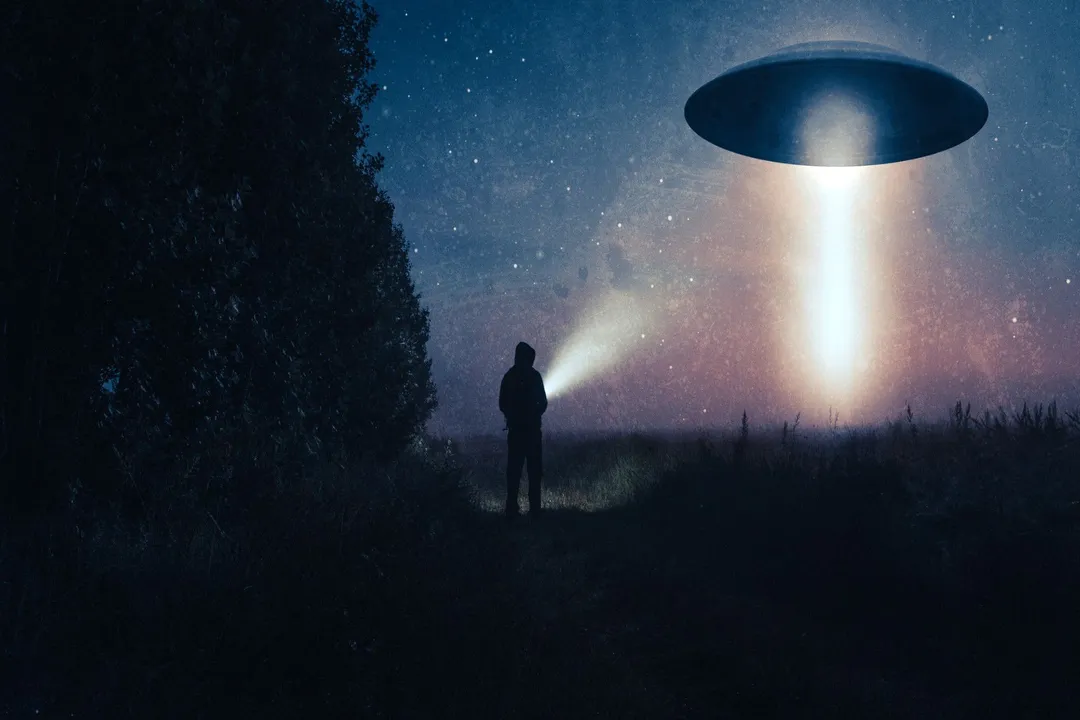
The scope of belief can be quantified, showing a strong baseline acceptance of extraterrestrial intelligence. In one snapshot of American sentiment, around four-in-ten U.S. adults expressed a firm conviction that aliens exist and have visited Earth. [4] Breaking down the belief further reveals interesting stratification. While a high percentage, often over half of those surveyed, believe in intelligent life beyond Earth, the percentage drops when specifically asked about actual UFO sightings or visitations. [3][4] Furthermore, while belief is high, the urgency surrounding it varies. As of mid-2021, relatively few Americans viewed unidentified aerial phenomena (UAPs), or UFOs, as a major national security threat, suggesting that for many, the concept remains rooted in curiosity rather than immediate fear or government concern. [3] This suggests a high level of abstract acceptance coexisting with a lower level of perceived physical threat.
# Scientific Stance
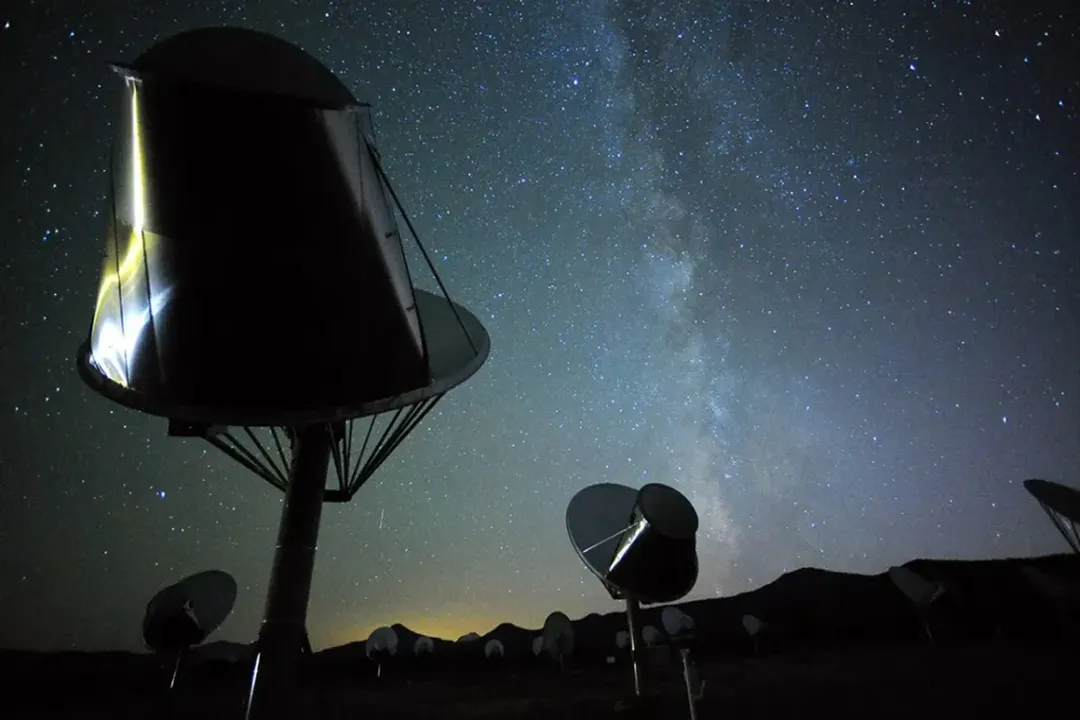
When the conversation shifts from the general public to those actively studying the cosmos—astrophysicists—the narrative changes from conviction to probability. Most astrophysicists lean toward the statistical likelihood that life does exist elsewhere in the universe. [2] This view is heavily influenced by the sheer scale of the observable cosmos. Given the trillions of stars and countless exoplanets, arguing that Earth is the only place where life arose seems statistically improbable, an idea underpinning concepts like the Drake Equation. [8] The universe is vast, and the ingredients for life appear to be common. [2]
However, this professional agreement on the possibility of life quickly fractures when the topic turns to visitation. [2] Astrophysicists are generally much more skeptical about the claims of alien visitation, requiring verifiable, empirical evidence before accepting such a monumental conclusion. [2][7] While the public might look at an anomaly and immediately think "alien," a scientist is trained to search for mundane explanations first, knowing that the burden of proof for an extraordinary claim rests heavily on the evidence presented. [7] This creates a significant chasm: the scientist believes in the mathematics of life elsewhere, while often doubting the current, poorly documented claims of physical contact.

# Skepticism Drivers
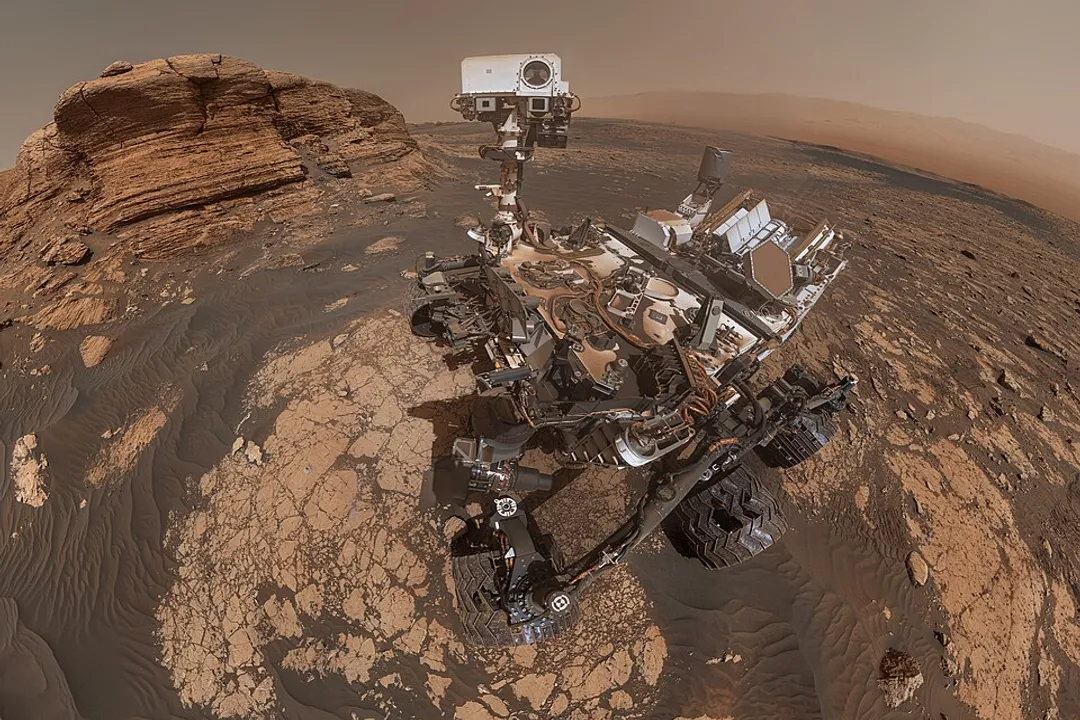
The gulf between statistical belief and empirical acceptance stems from several cognitive and practical hurdles that skeptics readily point to. [7] One primary barrier is the lack of unambiguous, replicable evidence. While grainy videos and anecdotal reports abound, especially across social media groups where shared belief reinforces itself, [6] these accounts rarely meet the standards required for scientific validation. [7]
One concept that makes more sense to non-believers, despite acknowledging the vastness of space, is the concept of the cognitive filter. People accept the possibility of life existing in the Andromeda galaxy because it requires no action or confrontation with reality. It is an intellectual exercise. [5] Conversely, believing in a physical visitation means accepting that an entity has overcome staggering obstacles—interstellar travel, communication barriers, and maintaining perfect secrecy—and that this entity has chosen to interact, perhaps repeatedly, with only a small, highly unreliable set of observers on Earth. [7] The very difficulty of interstellar travel, rooted in physics as we understand it, creates a compelling argument for skepticism regarding current visits. [2][7]
# Cultural Resonance

Beyond the purely scientific debate, the continued belief in aliens taps into deeper cultural and psychological needs. [5] For some, especially in societies where traditional religious narratives have waned, belief in extraterrestrial visitors can serve as a substitute mythology, addressing the innate human desire for meaning, mystery, and the understanding that we are not alone in the universe. [5] This emotional investment means that for many, the idea of aliens is more compelling than the actual, hard-to-obtain proof. [5] This is further amplified by community reinforcement; social platforms, even informal ones, allow believers to congregate, validate each other's experiences, and build collective narratives around sightings and supposed government cover-ups. [6] When a community shares an experience, the conviction solidifies, regardless of external empirical challenges.
We can observe this dynamic clearly when comparing historical belief structures to modern UAP reports. Where earlier generations might have sought meaning in angels or folklore, contemporary anxieties and wonder are often projected onto technologically advanced visitors from the stars. This trend suggests that the need for an external, powerful, and unknown entity remains constant, merely changing its costume based on cultural readiness. [5]
# Uncontrolled Belief
The increasing acceptance of sensational claims, often fueled by the very mechanisms that reinforce community belief, presents a concern for observers focused on critical thinking. [9] When belief in alien visits "spirals out of control," as some commentators suggest, the danger isn't necessarily the aliens themselves, but the erosion of discernment in the public sphere. [9] If the threshold for accepting extraordinary claims drops significantly, it can become difficult to separate genuine scientific inquiry or credible official releases from pure conjecture or deliberate misinformation. [9] The acceptance of the possibility is healthy, but the rapid adoption of unverified narratives can be detrimental to rational discourse about space, technology, and national security. [1][3]
This highlights a fascinating split in public engagement. While the vast majority of Americans may accept that intelligent life exists somewhere, [3][4] the segment actively consuming and believing sensationalized reports about close encounters or craft retrievals often seems disproportionately engaged, leading to the perception that belief is more widespread or absolute than population data suggests. [1][9]
# Synthesis of Positions
Ultimately, the question of whether people still believe in aliens receives a bifurcated answer depending on which aliens you are asking about. Statistically, belief in life elsewhere is mainstream, perhaps even reaching majority status in some demographics. [3][4] It is a conclusion drawn from the immense scale of the universe. [2][8] Conversely, belief in visitation is more contested; while millions hold this view, it remains outside the consensus of empirical science. [2][7]
For the general reader trying to navigate this landscape, it is helpful to recognize that your personal stance might align more closely with an astrophysicist's statistical assessment than with the most dramatic headlines. [2] The universe is too big for us to be alone, but the physics of the journey remain stubbornly difficult. [7] The enduring appeal of the topic is not just a search for biology, but a continuous human search for wonder—a mechanism to acknowledge that despite all our current knowledge, the cosmos still holds secrets large enough to dwarf our everyday concerns. [5] This continuous hunger for the unknown, even when confronted with a lack of definitive evidence for contact, is what keeps the conversation alive and evolving year after year. [6]
Related Questions
#Citations
Why more and more people believe in aliens | The Week
Do most astrophysicists believe in alien life? : r/astrophysics - Reddit
Most Americans believe in intelligent life beyond Earth
Chart: More Americans Now Believe in Aliens | Statista
UFOs: Do You Want to Believe? - Christ and Culture
Most people believe in intelligent alien life existence - Facebook
Why do some people not believe in aliens despite the possibility of ...
Extraterrestrial life - Wikipedia
Belief in alien visits to Earth is spiralling out of control – here's why ...