Do the Russians still use Soyuz?
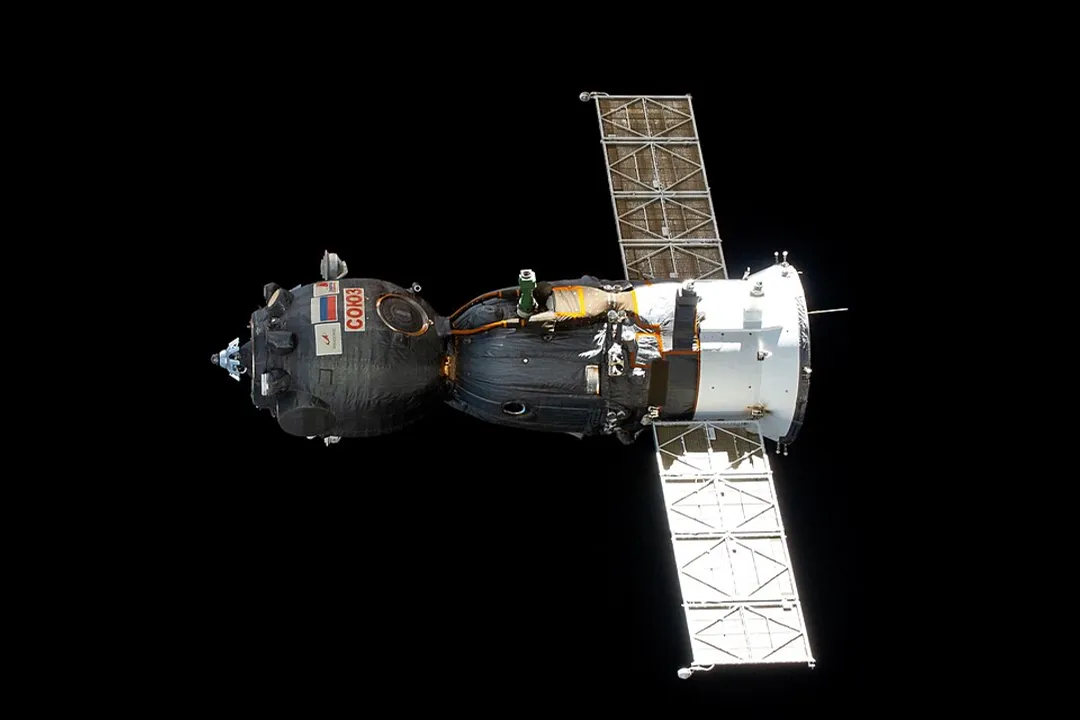
The Russian Soyuz spacecraft remains an active element in human spaceflight operations, continuing a legacy that spans decades of ferrying people to and from low Earth orbit, most notably the International Space Station (ISS). It is not merely a historical artifact but a system that has maintained continuous service, making it one of the longest-serving human-rated spacecraft in existence. While the landscape of crew transport has recently diversified, the name Soyuz still signifies the primary Russian access route to orbit for its cosmonauts and, for a significant period, for international partners as well.
# Workhorse Service
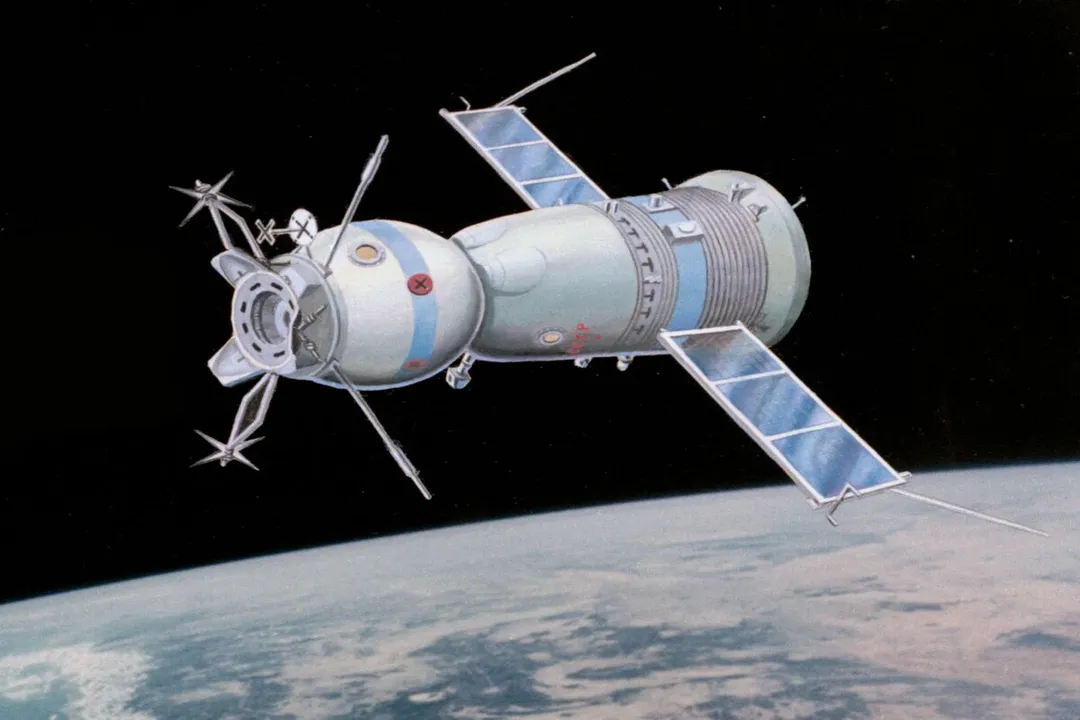
The Soyuz program itself is ancient by spaceflight standards, having roots stretching back to the 1960s. Over its history, it has undergone numerous significant evolutions, resulting in different model designations like Soyuz T, TM, TMA, and the current iteration, the MS series. This continuous iteration demonstrates a commitment to keeping the fundamental architecture relevant, even as newer vehicles enter service worldwide.
For years following the retirement of the American Space Shuttle fleet in 2011, the Soyuz was the only reliable means for any crew—American, European, Japanese, or Russian—to reach the ISS and return safely. This situation created an intense dependency on the Russian system for maintaining a continuous human presence on the orbiting laboratory. The reliability built up over thousands of flights, even accounting for rare emergencies, established a high degree of trust among the international community in the basic capability of the vehicle to perform its primary task: transport. Even as recently as this year, astronauts and cosmonauts have successfully landed aboard a Soyuz capsule following eight-month assignments on the ISS.
This longevity provides an interesting contrast when viewed against the American Shuttle program, which operated for only about 30 years before being retired. The Soyuz, by comparison, has demonstrated an unparalleled ability to adapt and remain in active service across multiple generations of space station hardware, suggesting that the core design philosophy prioritized simplicity and redundancy for critical life support and re-entry phases.
# Shifting Alliances
The dynamic of relying on Soyuz changed dramatically with the successful commercial crew program operated by American companies, which reintroduced domestic crew launch capability for NASA. Before that, a US astronaut might launch on a Soyuz rocket simply because there was no other immediate option available to maintain crew rotation schedules. Paying for these seats was a major financial arrangement for NASA for nearly a decade.
With the introduction of American-built spacecraft, the necessity for US astronauts to book passage on Russian hardware has diminished significantly, effectively ending the period of singular reliance. However, this doesn't mean the Soyuz is entirely sidelined. It continues to serve the needs of the Roscosmos program and its partners, often flying missions that are scheduled purely around Russian operational requirements or crew rotations.
Geopolitical factors, naturally, have introduced significant friction into the former smooth international operation of the ISS, directly affecting launch schedules and international planning involving Russian assets. While the spacecraft itself is a proven piece of hardware, its utilization, manifest scheduling, and the international contracts surrounding it are now deeply entangled with global political realities.
# Infrastructure and Operational Risk
The operation of any complex spacecraft requires more than just a reliable vehicle; it demands functioning ground infrastructure, which has also presented recent challenges. In one notable incident, a launch of astronauts aboard a Soyuz rocket to the ISS occurred shortly after the primary launch pad was reportedly destroyed. While the crew successfully lifted off, the event underscores the fragility of the ground segment supporting these high-stakes missions. Such an incident immediately raises questions for mission planners about contingency plans—if the primary means of reaching orbit experiences a launchpad failure, what immediate backup exists for the crew scheduled to fly next?.
This situation brings into focus a key difference between national space programs: the redundancy built into their launch systems. While the US has multiple providers (SpaceX, Boeing) capable of launching crews to the ISS, the Russian system, when facing issues with its primary launch facilities, can find its entire human access stream temporarily compromised, forcing a reliance on existing orbital assets or delays. The ability of the Soyuz to launch despite the ground incident, however, speaks volumes about the inherent durability of the rocket stack itself once ignition sequence begins.
# Soyuz Variants
The specific craft currently flying is the Soyuz MS version, which incorporates modern avionics and communication systems compared to its predecessors. This modernized version ensures it meets current international docking standards and safety protocols necessary for working alongside contemporary vehicles like SpaceX's Dragon. The persistent modifications allow the vehicle to remain competitive in capability, if not in public visibility, within the current space transportation market.
It is useful to note that while the Soyuz spacecraft is the capsule that carries the crew, it launches atop a Soyuz-family rocket. This distinction is important because issues can arise with the launch vehicle (the rocket stages) independently of problems with the crew capsule itself, though the combined system is what is generally referred to in mission reports.
When considering the current role of the Soyuz, one has to look past simply if it flies, but how often and for whom. Before the commercial crew era, the flight cadence was often dictated by the demands of maintaining a full ISS crew complement, usually requiring three seats per flight available for international or US astronauts. Now, the cadence is likely driven more by Roscosmos's internal rotation schedule and the maintenance cycle of their orbital module, the Zvezda service module, which remains a core component of the ISS structure. The vehicle is less of a shared taxi service and more of a dedicated national access system, though international collaboration on ISS operations means any Soyuz flight still has global significance. The enduring presence of Soyuz means that the specialized training cosmonauts receive on the vehicle remains a mandatory requirement for all ISS crew members, ensuring that regardless of their ride up, they know how to operate and undock the legacy capsule in an emergency. This cross-training remains a bedrock of ISS safety protocols.
#Videos
LIVE: Soyuz Spacecraft Reaches International Space Station with ...
Related Questions
#Citations
Soyuz (spacecraft) - Wikipedia
Why does NASA still use Soyuz to bring some astronauts to the ISS?
Why does Russia still use their Soyuz spacecrafts? - Quora
Oops! Russia accidentally destroys its only working launch pad as ...
Soyuz: A Spaceflight Workhorse Grounded by Geopolitics
Russian Soyuz capsule lands on Earth to return crew of 3 ... - Space
LIVE: Soyuz Spacecraft Reaches International Space Station with ...
Why do US astronauts sometimes still launch on Russian Soyuz ...