Does NASA still issue Omega Speedmaster?
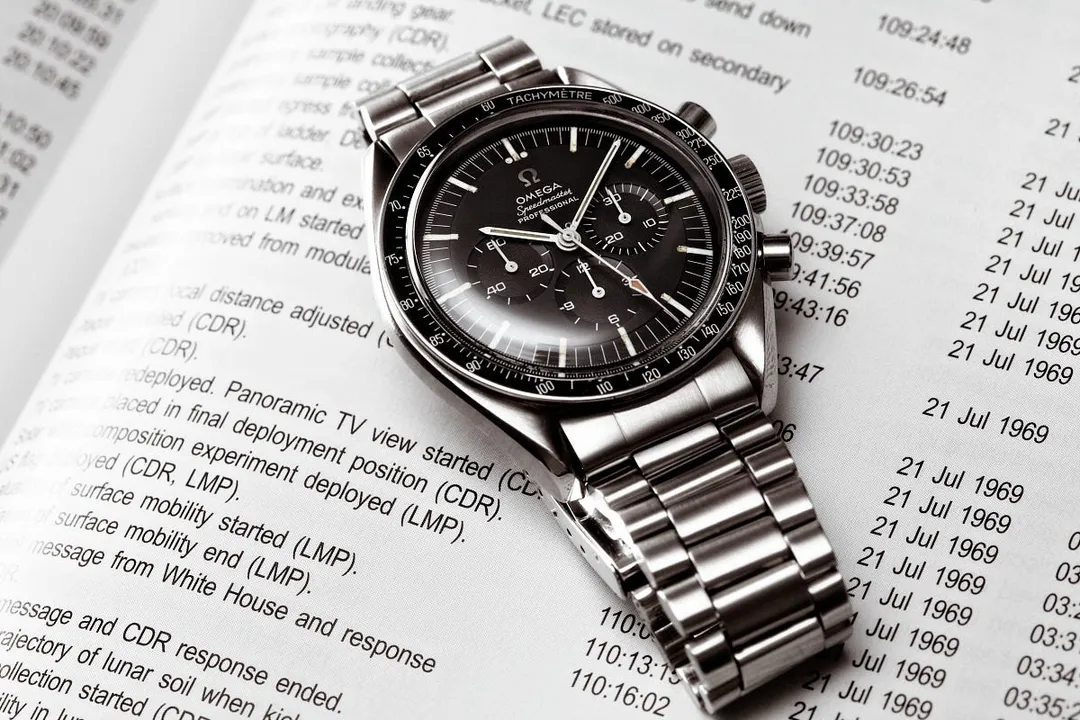
The Omega Speedmaster Professional, often simply called the "Moonwatch," holds a singular place in horological and space exploration history, leading many enthusiasts and newcomers alike to ponder its current standing with the U.S. space agency. This enduring association stems from rigorous testing conducted decades ago, which cemented the Speedmaster’s role as a trusted instrument for astronauts. [1][4] The question of whether NASA continues to actively issue this specific watch today requires looking closely at the transition from official qualification to modern procurement practices.
# Qualification History
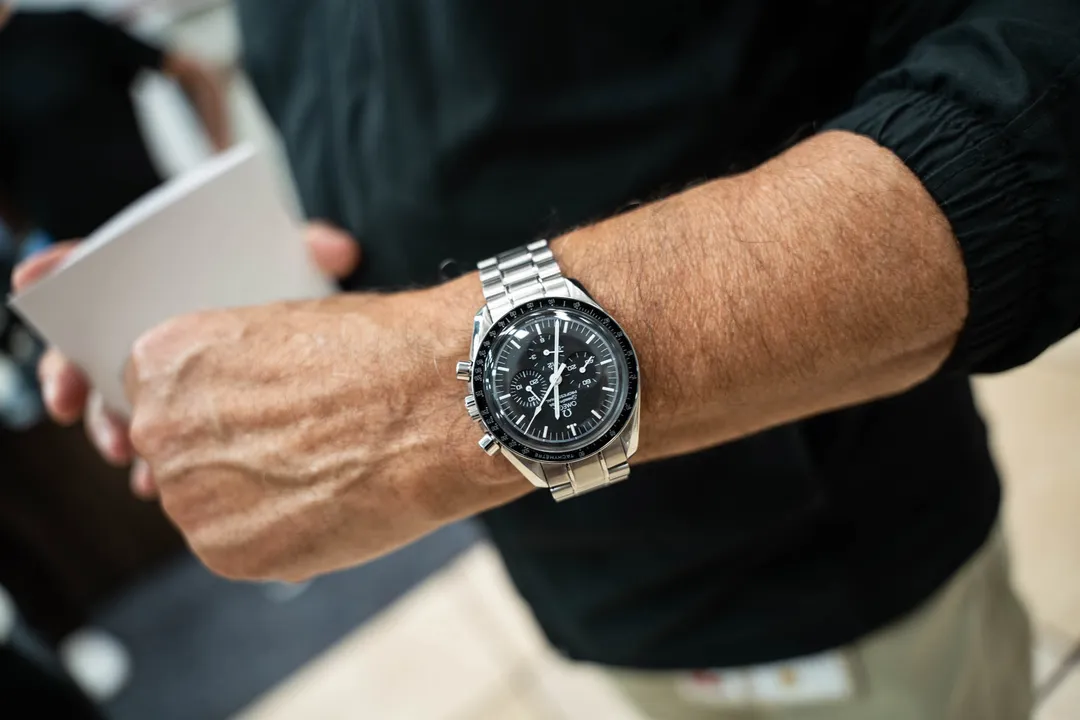
The official story of the Speedmaster and NASA begins in the early 1960s when NASA required a reliable, chronometer-grade watch that could withstand the harsh environment of spaceflight for its Gemini and Apollo programs. [1] Crucially, this was not a watch developed for NASA; rather, the agency acquired commercially available models from several manufacturers to undergo extreme qualification testing. [1][8] Omega submitted its Speedmaster reference, and it emerged as the only one to successfully pass the exhaustive battery of stress tests required for flight certification. [1][4]
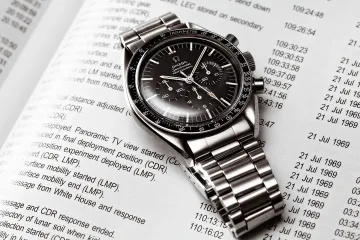
The qualification process itself was exceptionally demanding, reflecting the seriousness of entrusting critical timing functions to a wrist-worn device. [1] The tests included exposure to extreme temperatures, vibration, high and low pressure, humidity, and immersion in various liquids. [1] The watches underwent conditions simulating launch stresses, vacuum exposure, and intense thermal fluctuations experienced in Earth orbit and on the lunar surface. [4] The watch that ultimately passed was the reference Speedmaster, which featured a black dial and a manual-winding movement, gaining the designation "Flight Qualified by NASA for all Manned Space Missions". [1] This initial victory was a testament to the robustness of the design, making the Speedmaster the first watch worn on the Moon during the Apollo 11 mission. [8]
# Sixty Years

The anniversary of this landmark achievement has been a significant focus for Omega in recent years, notably marking sixty years since the initial qualification. [2][4] In 2024, the brand celebrated this milestone, acknowledging the watch’s continued, albeit sometimes indirect, connection to human spaceflight endeavors. [2] These celebrations often highlight the original qualification process and the subsequent use of the Moonwatch by astronauts across decades, reinforcing its legendary status. [5]
It is important to distinguish between the watch that was qualified and the specific model supplied for every mission since. While the baseline specifications of the flight-qualified watch—the manual-winding chronograph—remain the template for reliability, NASA's procurement strategy over the years has seen variations. [4] For instance, the watch worn on the Moon was a specific iteration of the Speedmaster Professional, often referenced by its movement, the Calibre 321, though later versions used different movements. [5]
The First Omega in Space model, a contemporary recreation based on the watch worn by Wally Schirra during the Mercury-Atlas 8 mission, showcases Omega's commitment to honoring these specific historical milestones, though this particular model is available for consumer purchase and is not the standard issue flight hardware. [7] This historical reference point demonstrates how Omega actively commemorates its space legacy through commercial releases tied directly to mission history. [7]
# Supply Status
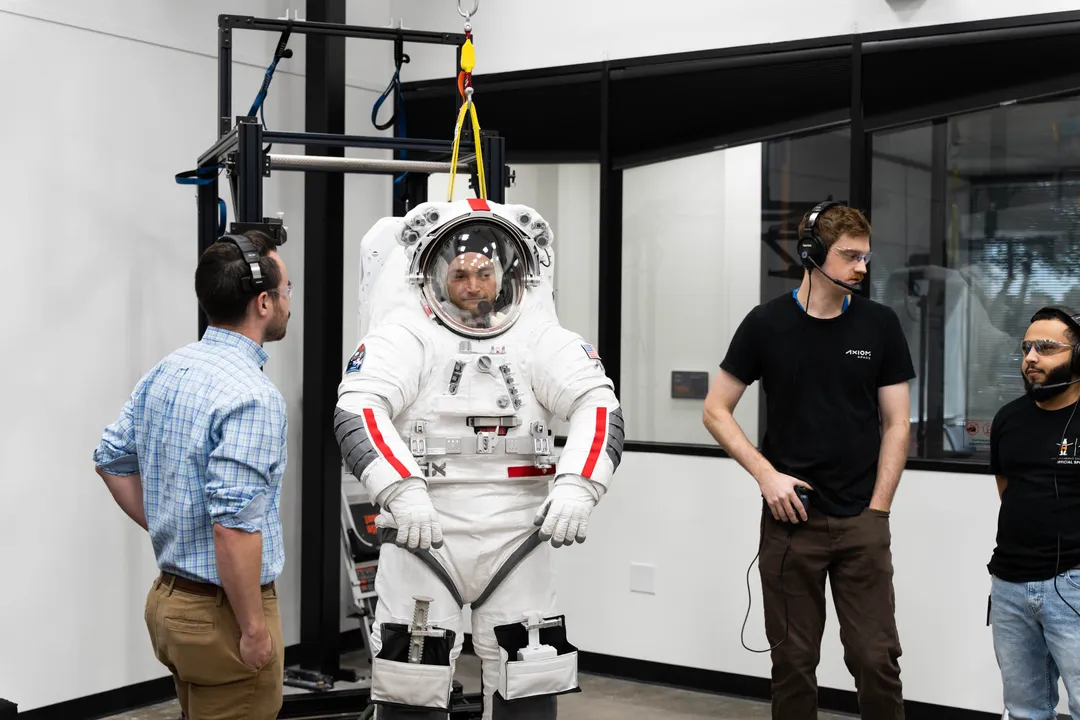
The core of the modern query rests on whether NASA issues the watch today, meaning whether it is provided directly to astronauts as standard equipment for their missions, akin to a uniform component. Early on, astronauts often purchased their own watches, though many opted for the Speedmaster after its qualification. [8] NASA did purchase quantities of the watch, making it official equipment for a time. [1]
However, operational realities evolve. Contemporary space missions, especially those involving the International Space Station (ISS) and commercial crew programs, rely on a mix of equipment where some items are government-furnished property (GFP) and others are personal items brought by the crew. [6] While the legacy of the Speedmaster is undeniable, and astronauts certainly wear Speedmasters—both official issue and privately owned versions—the current standard-issue mechanism for providing timekeeping devices may have changed. [3]
One insight here concerns the nature of modern contracts. When NASA procures hardware now, the specifications are often incredibly detailed, and competition for contracts is common. While the Speedmaster remains the baseline, the agency might procure a specific, modern, flight-certified version from Omega under a current contract, or they might permit the wearing of other certified chronographs if they meet the rigorous standards established by the 1960s tests. [4] The current reality often involves astronauts wearing the current generation of the Speedmaster Professional, which carries the same heritage, but the procurement method might be through an official supply agreement rather than the older, direct purchase/issue system. [6]
# Modern Chronographs
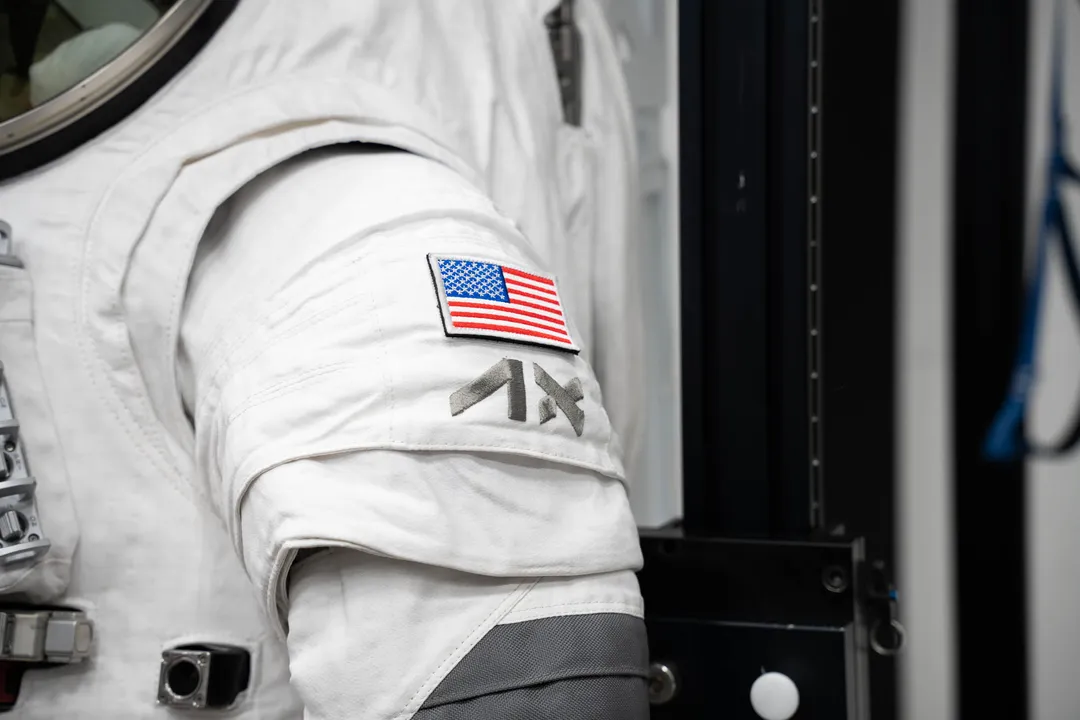
Recent events and product lines suggest the relationship remains active, even if the issuing process is less publicized than it was during Apollo. The introduction of a new astronaut Omega Speedmaster, potentially designated for current missions, hints at an ongoing, official relationship between the manufacturer and the agency for flight-ready timepieces. [6] This implies that Omega is still producing models that meet NASA’s current requirements or that the agency has recently renewed its reliance on the brand for this specific role. [6]
A critical point of differentiation for the reader is understanding the difference between a qualified watch and a currently issued watch. The original 1960s Speedmaster was qualified, meaning that specific model or its direct successors could fly. Today, if NASA issues a watch, it is almost certainly a contemporary version that has either been re-qualified or is supplied under an agreement that assumes its heritage meets the historical baseline, though modern astronauts often fly with digital mission clocks as the primary reference. [3] Astronauts can bring personal equipment, which adds another layer of variety to what ends up on a crew member's wrist. [3]
If we look at the typical flight hardware today, the primary timekeeping reference is electronic. However, the Speedmaster serves as the essential backup, the physical chronometer mandated by decades of flight experience. [4] Imagine a scenario where a major software failure occurs on the ISS; the mechanical, hand-wound Speedmaster, unreliant on battery power or complex electronics, becomes an invaluable piece of tangible backup gear. This contingency value is why the tradition likely persists, even if official "issuing" seems less frequent or visible than in the past. [4]
# Enduring Association
The public perception often equates the Speedmaster with NASA to the point of near exclusivity. This is partly due to Omega's sustained marketing efforts celebrating the space connection. [2][9] The sheer recognition the watch holds among the general public, even those not interested in horology, is remarkable, suggesting a deep cultural embedding of this partnership. [9]
To place the modern situation in perspective, consider the watches that were not selected back in the 1960s. Their failure in testing ensured the Speedmaster’s path to the Moon. That historical precedent provides an immense level of trust that newer watches, even those developed by other brands today, have yet to earn through equivalent testing. [1] A modern watch might meet ISO standards, but it does not carry the Flight Qualified by NASA stamp earned through that specific, brutal test cycle. [4]
If an astronaut today were to receive a watch directly from a NASA supply locker for a flight without selecting a personal one, it is overwhelmingly probable that it would be a current production Omega Speedmaster Professional, adhering to the established heritage specifications. While direct, publicly documented records of a formal, annual "issuance" are scarce compared to the historical records of the 1960s, the brand's continued presence in connection with astronaut activities and recent model releases strongly suggests an ongoing, if subtle, official procurement channel. [6] The watch is not merely a museum piece; it is a living standard of reliability in the most demanding environment known to humanity. [2] The actual difference for the end-user today might be minimal: you are still getting a Speedmaster, just perhaps one sourced through a modern logistics system rather than being signed out from a dedicated inventory box in Houston.
# Procurement Nuances
When comparing the initial selection to the present, it's worth noting the shift in the nature of space travel itself. The Apollo missions were about achieving a singular goal: landing on the Moon. Today's missions are long-duration stays on the ISS, involving significantly different operational profiles. [2] This change in mission focus means that while timing for EVAs (Extravehicular Activities) remains critical, the day-to-day requirement for a specific mechanical chronograph might be less about mission-critical navigation and more about historical continuity and robust backup capability. [3]
It stands to reason that if NASA were to officially issue a watch today, it would likely be the modern iteration of the Moonwatch, which maintains the manual-winding movement, or perhaps a quartz or automatic version that has undergone re-qualification for the current flight hardware manifest. The lack of widely publicized announcement regarding a "new issue watch" might simply reflect the reduced public focus on personal astronaut gear compared to the high-stakes era of the Space Race. [3] The absence of fanfare does not equal the absence of the object itself, particularly when dealing with procurement schedules that might be classified or simply administrative and low-profile. [6]
The market reflects this ambiguity. While Omega celebrates the anniversary, they continue to sell the heritage pieces that appeal to the public's imagination. [7] For the dedicated collector, the key takeaway is that the lineage of the flight-qualified watch is maintained by Omega through its current production models, providing the basis for any official future issuance. [4] The specific model reference being worn by a contemporary astronaut might differ slightly from the classic 1861 caliber movement, perhaps featuring the newer Calibre 3861 co-axial Master Chronometer movement, if that newer iteration has met any necessary re-qualification or been approved for flight status under current agreements. [2]
The lasting success is that Omega remains the only watch brand publicly and historically associated with this level of direct NASA qualification. No other manufacturer has successfully matched the record of passing those initial endurance tests, securing the Speedmaster’s unique position in history and, by extension, its likely ongoing role as the preferred or default issued chronograph when a mechanical backup is deemed necessary. [1][5] The tradition endures not just because of sentiment, but because the original performance set an incredibly high bar that subsequent supply chains respect.
Related Questions
#Citations
1965: The Speedmaster is qualified by NASA for the space program
Dispatch: Omega Celebrates 60 Years Of NASA Qualification
Omega Speedmaster, potentially from NASA - trying to confirm!
60 Years Since NASA Qualification | Worldtempus
OMEGA Celebrates 60 Years Since The Speedmaster Was Certified ...
NASA Astronaut Candidate Wears An Omega Speedmaster
Omega Speedmaster - Wikipedia
The Reason NASA Astronauts Relied on the Omega Speedmaster