Did the Omega Speedmaster fail on the moon?
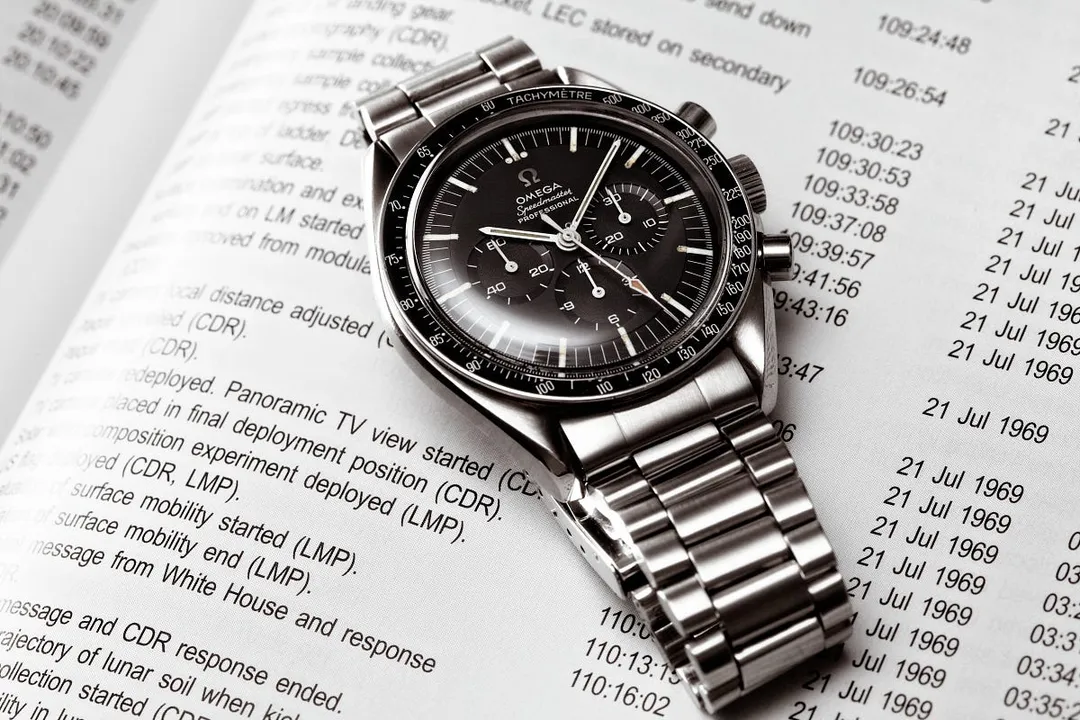
The story of the Omega Speedmaster during the American moon missions is often framed by a simple, almost mythical question: did it actually fail? To understand the context of this query, one must first recognize the sheer weight of expectation placed upon that small, manually wound chronograph. It was not just a piece of jewelry; it was mission-critical equipment, a backup timer for essential tasks when digital systems proved fallible or unavailable. The Speedmaster, nicknamed the "Moonwatch," has such an indelible connection to space exploration that its performance is scrutinized as fiercely as that of the spacecraft itself.
# NASA Selection

Before setting foot on the lunar surface, the Speedmaster had to survive the gauntlet of NASA's rigorous selection process in the early 1960s. NASA required watches that could withstand the extreme environmental variations of space flight, including intense vibrations, high and low temperatures, humidity, and rapid depressurization. Several brands submitted their chronographs for testing, but only one, the Omega Speedmaster Professional, successfully passed every single trial laid out by the US space agency. This qualification, which earned it the designation "Flight Qualified by NASA for all Manned Space Missions," meant the watch was certified trustworthy for the most demanding environment imaginable. The fact that it was the only watch to achieve this status speaks volumes about its initial design integrity and construction before it ever left Earth's atmosphere.
# Apollo Eleven Presence
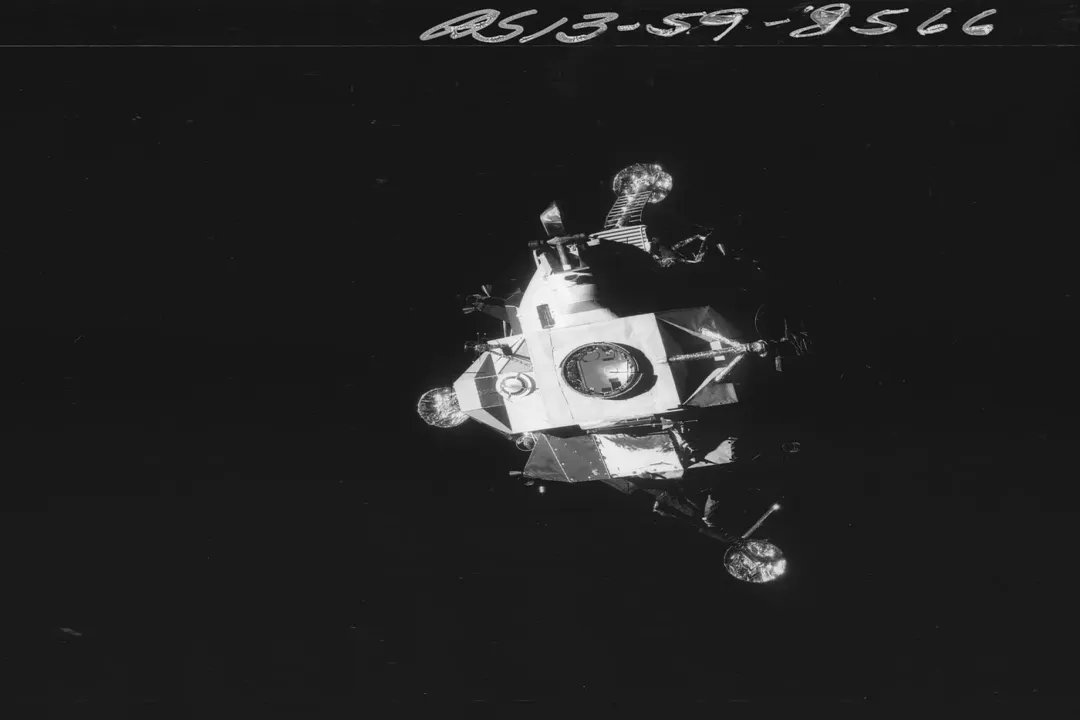
When Neil Armstrong and Buzz Aldrin made history by landing the Eagle module on the Moon on July 20, 1969, the Speedmaster was strapped to their wrists or, in Aldrin's specific case, deployed inside the spacecraft. While Armstrong kept his official NASA timing device inside the Lunar Module—likely due to the failure of the mission's onboard digital timer—Buzz Aldrin famously wore his Omega Speedmaster Professional on the lunar surface. This act cemented the watch's legendary status as the first watch worn on the Moon. The model Aldrin wore was the reference ST 145.012, which features the distinctive manual-winding Calibre 321 movement.
The question of failure often pivots on a common misconception or an examination of subsequent missions. For Apollo 11, the watches performed their duties flawlessly, backing up critical systems and timing procedures as needed.
# Crystal Incident Contrast
To truly assess a "failure," one must look beyond the triumphant narrative of Apollo 11 to see if problems arose later. The most often cited, though misattributed, incident involves the Apollo 15 mission in 1971. This is where the narrative threads tangle, often leading people to incorrectly blame the Omega. During Apollo 15, Commander David Scott’s backup timing device, a Bulova chronograph—a watch that was not the NASA-qualified Speedmaster—suffered a significant failure: its acrylic crystal popped off in the vacuum of space.
This event is fascinating not because it indicts Omega, but because it highlights the necessity of redundancy and validates the primary choice. When the Bulova failed due to its crystal popping off, Scott relied on his Omega Speedmaster to time the critical abort-to-orbit burn of the Lunar Module. This crucial timing sequence, executed while the main onboard clock was reportedly inoperative, was successfully handled by the Speedmaster, proving its superior environmental sealing and operational reliability when a non-certified alternative failed. Scott's Omega, by contrast, never malfunctioned; its crystal remained securely attached throughout the mission. In a way, the failure of the Bulova served as a powerful, real-world demonstration of the Speedmaster's success and necessity.
# Operational Context
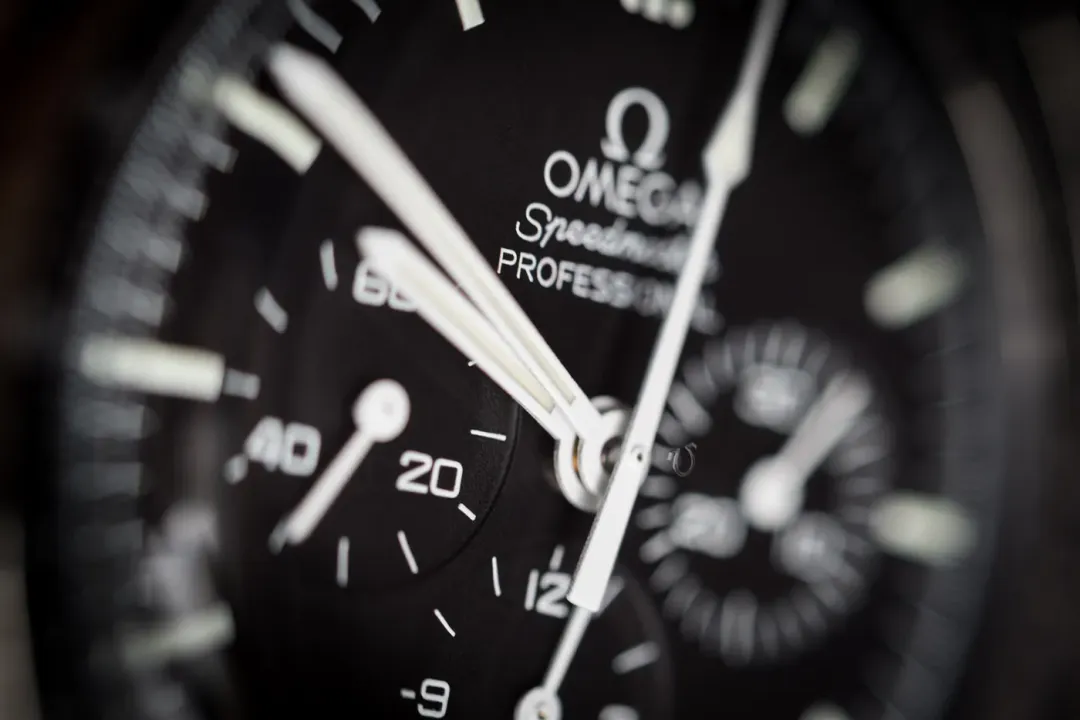
It's worth noting the specific operational environment of the Moon versus the testing chamber. The qualification tests were designed to be far more severe than the actual conditions encountered. The qualification involved subjecting watches to temperatures ranging from to , high humidity, shock, and vibration, conditions that would grind lesser mechanisms to a halt. While the Moon's surface temperature fluctuates wildly, the actual time spent by the astronauts on the surface, and crucially, the amount of time the watch was actively used for critical timing outside the pressurized cabin, was relatively brief in the early missions. However, the Speedmaster’s mechanical nature offered an inherent advantage over any quartz or digital watch of the era. Lacking batteries that could fail due to extreme cold or electronic components susceptible to electrical interference, the simple, robust, manually wound movement was arguably the perfect tool for a mission where absolute reliability was paramount. If we consider the very definition of failure as the inability to perform its intended function when called upon, the Speedmaster consistently succeeded across multiple missions when called upon to act as a backup timer.
An interesting point often overlooked is the post-mission fate of Aldrin’s specific watch. While it survived the trip, it did not return to display time on Earth. Buzz Aldrin eventually sold the watch, and it is rumored to be the one that was later separated from its strap and subsequently lost or sold off, possibly in pieces, making its precise location or status today an enduring mystery for collectors.

# Iconic Status
The watch's continued fame suggests that the general public, and certainly the watch community, accepts its performance as a success story. Ask any random person, watch enthusiast or not, and the association between the Moon and the Omega Speedmaster is frequently made. This cultural saturation is a direct consequence of its documented role in the most significant technological achievement of the 20th century, an achievement it helped ensure by not failing. The watch has become synonymous with reliability under pressure, a badge of honor worn not just by the brand, but by the astronauts who trusted it with their lives.
# Design Philosophy Insight
Reflecting on the design philosophy reveals a key insight into why it endured. NASA chose a mechanical chronograph for its proven technology and independence from electrical power sources common in early digital timekeeping. In modern contexts, we often dismiss mechanical watches as quaint relics, but for Apollo, that mechanical simplicity was a feature, not a bug. The core elements—the mainspring, the gear train, the escapement—are time-tested engineering solutions that are highly resistant to the unpredictable electromagnetic interference and the temperature extremes that plagued early solid-state electronics during space flight. The fact that Omega had to develop a specific process for attaching the lugs to the case to ensure they could withstand 5,000 Gs of force, as part of the qualification process, points to an engineering focus that prioritized sheer survival over aesthetic complexity. This foundational strength is what allowed it to function when other devices might have simply shut down.
# Institutional Trust Analyzed
Another layer of analysis centers on institutional trust. NASA is known for its rigorous, conservative approach to equipment certification. They do not certify anything lightly; redundancy is standard practice, and any weak link is purged. The continued reliance on the Speedmaster, even when newer, potentially more advanced timekeeping options were available or being tested (like the Bulova brought by Scott), implies a deep, validated trust in the Omega's ability to serve as the fail-safe. It became the known quantity, the instrument that always performed the backup task, which is arguably a higher praise than being the primary instrument, as primary instruments are often backed up by entirely different systems. The Speedmaster was trusted to back up the primary systems themselves, suggesting its reliability rating was arguably the highest in the astronaut corps' personal equipment inventory. This deep-seated confidence, built over years of successful unmanned testing, is the strongest evidence against any claim of widespread failure. A device that reliably seconds a mission-critical burn when the primary clock fails is the definition of successful performance, not failure.
# Post-Mission Legacy
The legacy cemented by the moon landing far outstrips any theoretical failure that might have occurred. Had the Speedmaster failed—had its crystal popped off, its chronograph seized, or its accuracy drifted wildly—the narrative would be vastly different. Instead, every subsequent mission and every return to the Moon reaffirmed its standing. The Speedmaster became an artifact of human tenacity and engineering precision. While the watch itself is celebrated, the real story is about the environment it was built for and the men who needed it to work. The watch’s continued relevance today, decades after the missions, is not due to marketing hype alone but because it accomplished what was asked of it when the stakes were the highest imaginable. The watch survived the vacuum, the heat, the shock, and the scrutiny, proving itself to be the right tool at the right time, even when its non-qualified counterparts did not.
In the final tally, the Omega Speedmaster did not fail on the Moon. It passed every test NASA threw at it before the flight, and it successfully served as a backup timer during critical moments on later missions when another watch malfunctioned. It succeeded because it was over-engineered for its role, possessing a mechanical fortitude that resisted the harshness of space, thus securing its permanent, unblemished status in horological and human history.
Related Questions
#Citations
Speedmaster Failure on Moon : r/OmegaWatches - Reddit
Apollo 11 watch: the first watch on the Moon | OMEGA EN®
The Reason NASA Astronauts Relied on the Omega Speedmaster
Unsolved Mystery: The Story of Buzz Aldrin's Omega Speedmaster
The Omega Speedmaster: The Watch That Went to the Moon
Apollo 15 Mission and Omega Speedmaster Watches at Spacefest ...
Flight-Qualified for Space: The Story Behind NASA's Choice of the
How the Omega Speedmaster Beat NASA Torture Tests and Went to ...
Apollo 15: David Scott's Bulova and the case of the missing crystal...