How do contemporary ISS missions typically handle timekeeping references compared to the Apollo era?
Answer
The primary timekeeping reference is electronic, but the Speedmaster remains the essential physical backup.
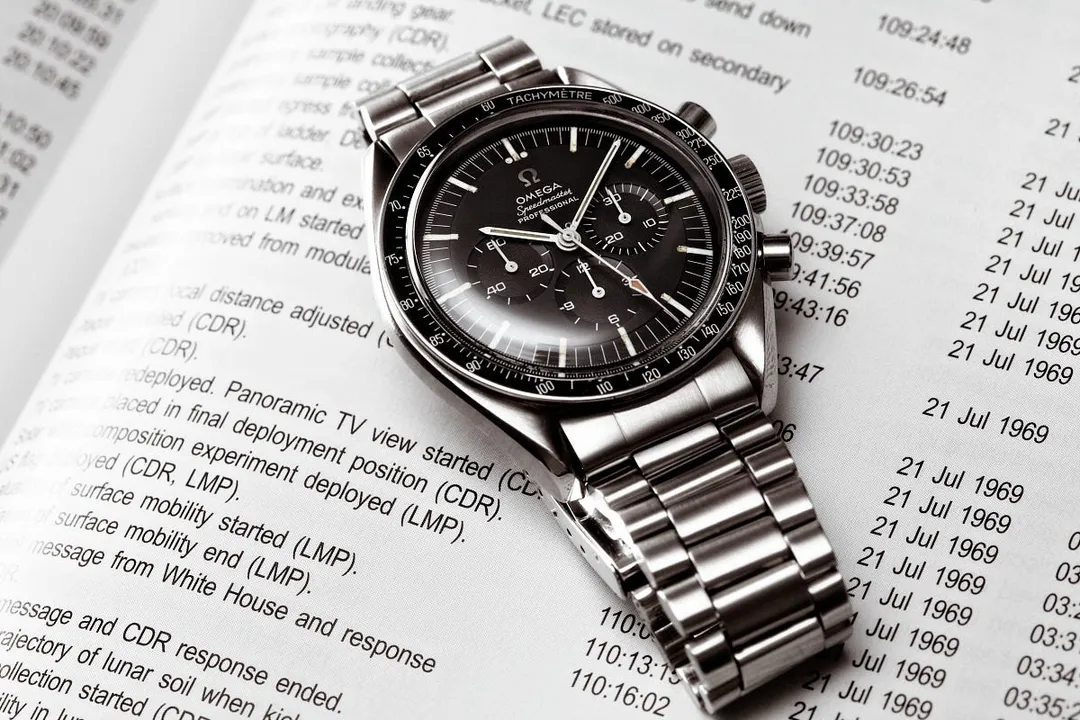
While the primary timekeeping reference on modern missions, especially involving the ISS, is electronic, the mechanical Speedmaster persists as the essential physical backup mandated by decades of flight experience.
Related Questions
What distinguished the Omega Speedmaster during NASA's initial qualification process in the early 1960s?What was the primary role of the Speedmaster during the era it was qualified?What characteristic defined the specific Speedmaster reference that achieved initial flight qualification?What critical contingency value does the hand-wound Speedmaster retain on contemporary missions?Which specific movement is often referenced when detailing the watch worn by astronauts on the Moon?What is the core distinction when querying whether NASA actively issues the watch today?What was a common practice for astronauts regarding watch provision early in the space program?What might the current issue Speedmaster potentially feature if supplied under a modern agreement?What element of the initial testing process has ensured the Speedmaster maintains a high level of trust compared to other modern chronographs?How do contemporary ISS missions typically handle timekeeping references compared to the Apollo era?