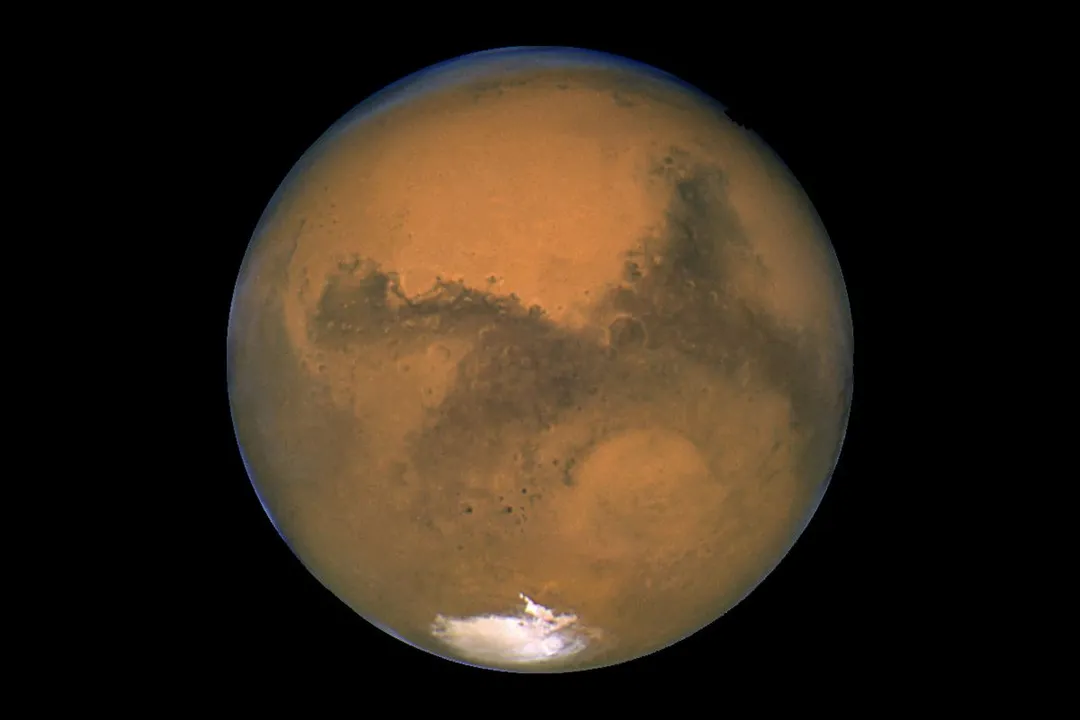
What caused the distinct, artificial-looking Martian canal lines to fade from view by the 1920s and 1930s?
Optical artifacts combined with human tendency to perceive patterns in randomness
As observational technology advanced into the 1920s and 1930s, astronomers utilized larger and more powerful telescopes to examine Mars. With improved optics, the perceived vast, interconnected network of straight lines—the canals—began to recede from view. Scientists determined that these distinct, artificial-looking lines were not physical structures but rather illusions. These illusions arose from a combination of inherent optical artifacts present in the instruments of the time, amplified by the natural human cognitive tendency to impose recognizable patterns, such as straight lines, onto random or indistinct visual data, especially when already predisposed to seeing artificial structures.