Where did scientists focus radar mapping for subsurface structures of ancient shorelines?
Answer
Hellas Planitia region
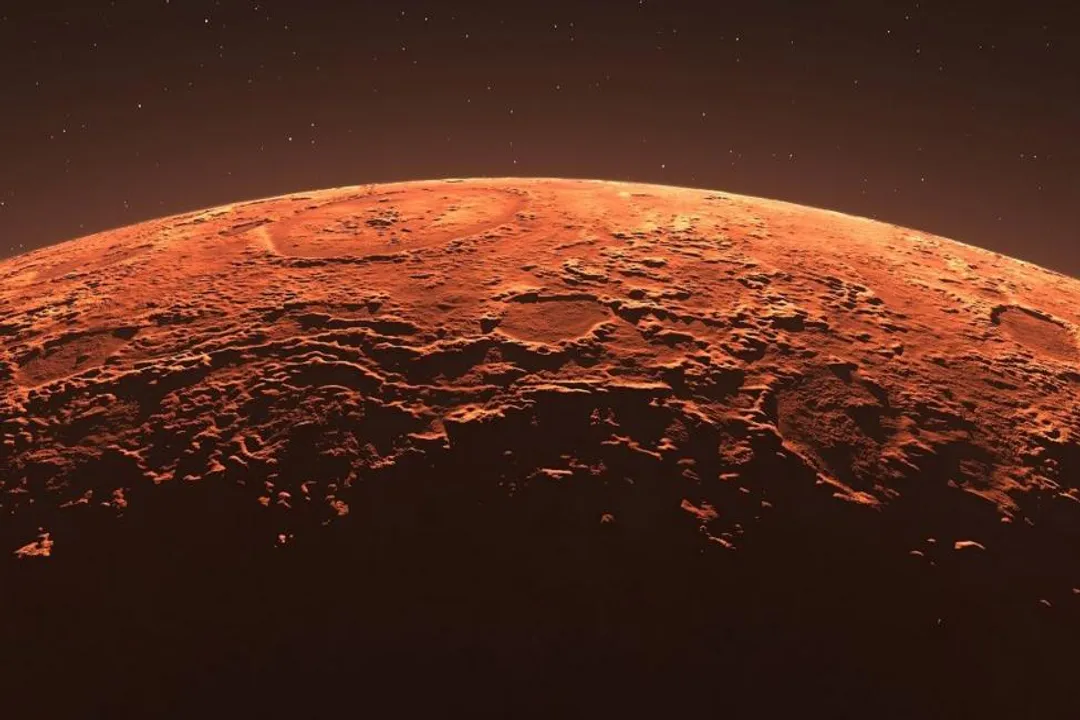
The analysis of advanced radar data specifically targeted the southern plains of Mars, with a primary focus area being the Hellas Planitia region. Scientists utilized this remote sensing technique to penetrate surface layers and map distinct subsurface structures. The patterns observed within this region, when interpreted, suggested the presence of layered sediments and sedimentary features. These structures are significant because they correlate strongly with processes characteristic of wave action and coastal formation observed here on Earth, leading researchers to infer the former existence of standing bodies of water at those elevations.
Related Questions
Where did scientists focus radar mapping for subsurface structures of ancient shorelines?What features did advanced radar data reveal in Martian southern plains about past water presence?What physical process is implied by the evidence for wave-formed ripples on ancient Mars?Why are ancient Martian sedimentary layers preserved better than Earth's geological features?What crucial function do robotic explorers serve regarding ancient coastlines verification?What lends high authority to the ancient Martian ocean hypothesis based on exploration methods?How did the ancient Martian *environment* differ from its observed coastal *geomorphology*?What major concept does the identification of widespread Martian shorelines force a recalibration of?Why are radar-identified beach zones prime targets for future sample return efforts?What atmospheric requirement is suggested by matching ancient Martian water volume to Earth's Arctic Ocean?