Did NASA find an ocean on Mars?
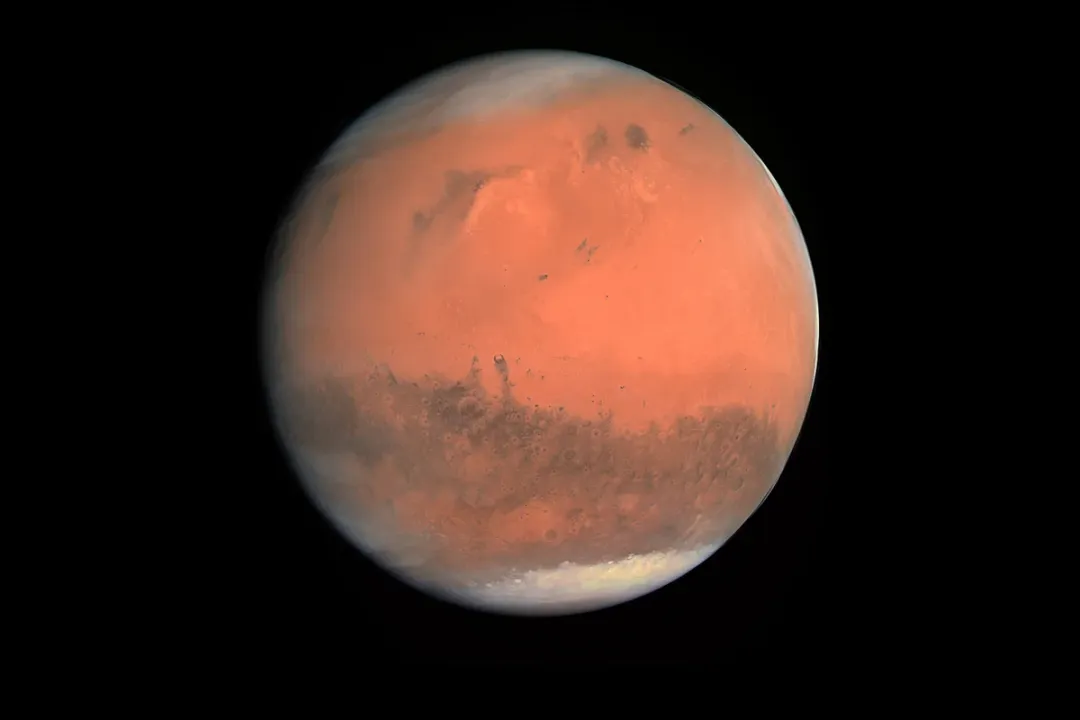
The red planet has long captivated researchers, fueled by tantalizing hints of past habitability, and the current consensus points strongly toward a watery history, one far wetter than previously imagined. Recent scientific efforts have certainly indicated the presence of vast amounts of water, leading many to ask if NASA has definitively located an actual ocean on Mars. The answer, while scientifically thrilling, requires careful definition. We are dealing with two very different Martian oceans: one that existed billions of years ago on the surface, and another that exists today, locked away deep beneath the crust.
# Ancient Surface Water
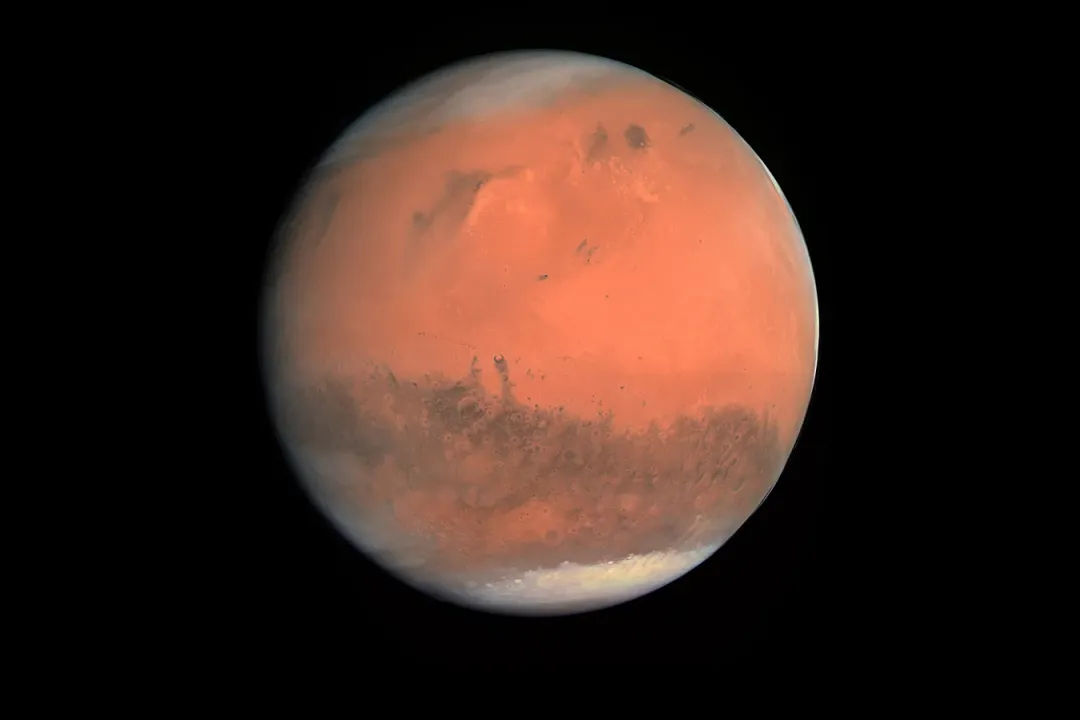
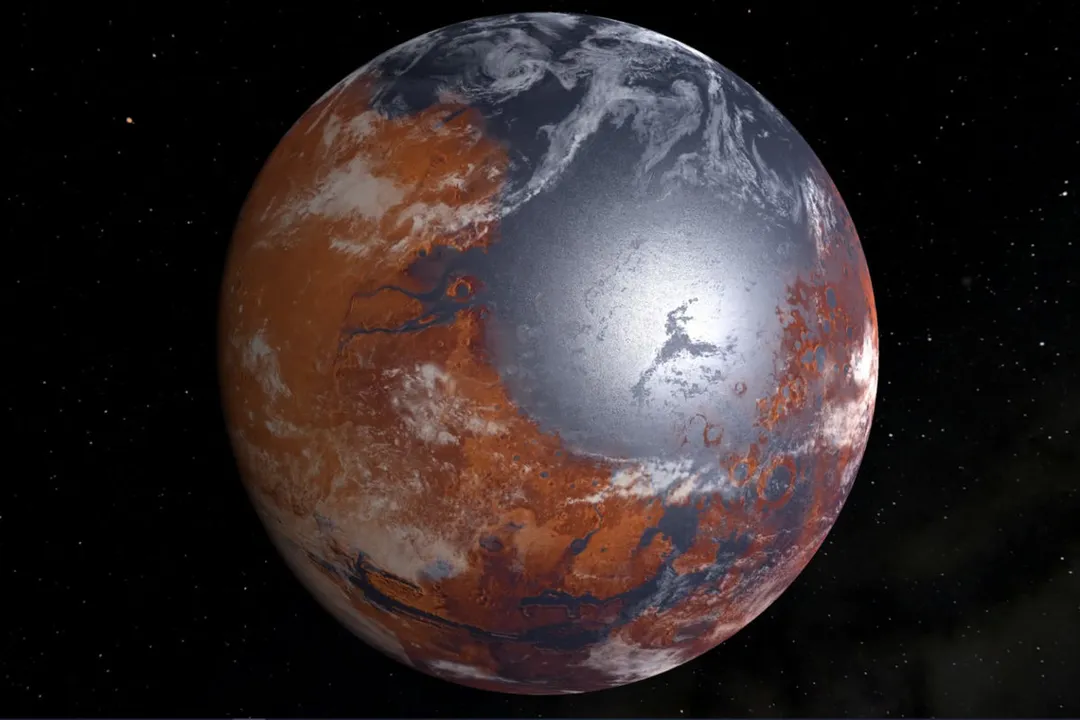
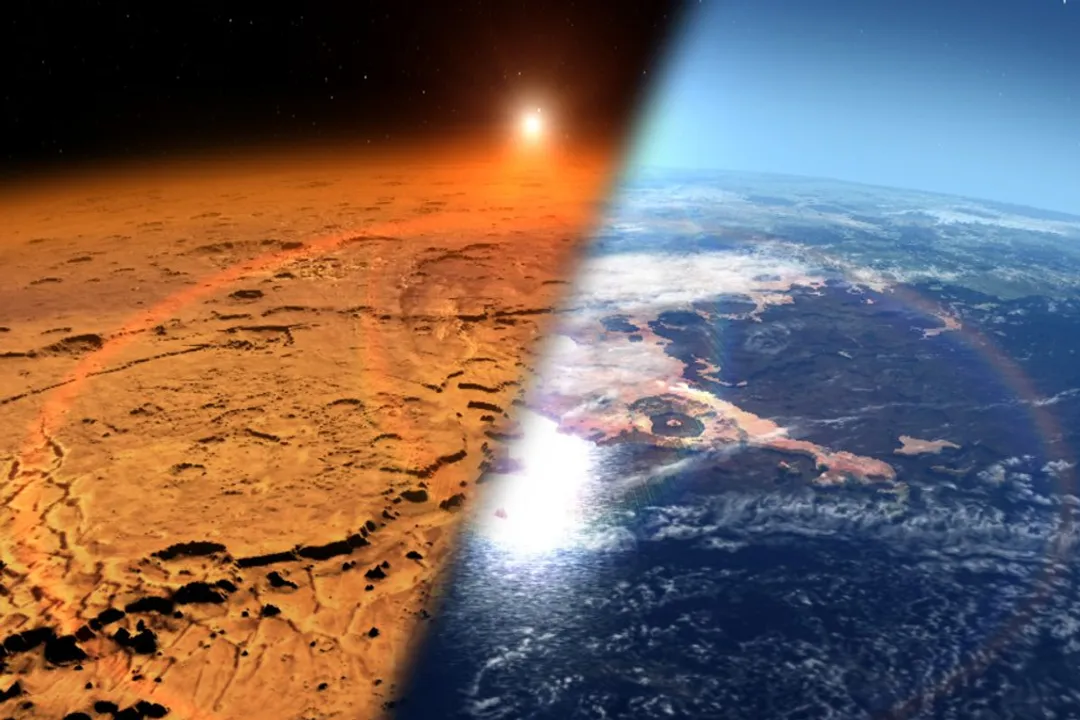
Evidence strongly suggests that early Mars was a dramatically different world, capable of supporting large bodies of liquid water on its surface. Scientists estimate that at one point, Mars possessed enough water to fill an ocean that would have dwarfed Earth's Arctic Ocean. To put this immense volume into perspective, if that water had covered the entire Martian surface to a uniform depth, it would have been roughly 560 meters (about 1,800 feet) deep across the planet. This historical scenario paints a picture of a warmer, thicker-atmosphered world where rivers flowed, lakes formed, and substantial seas covered large basins.
The transition from this wet past to the cold, dry desert we observe now involved the loss of most of that water, either escaping into space or being chemically bound into the planet's rocks. Understanding the scale of this loss helps explain the sheer volume of water that must have been present initially. The disappearance of surface water is what drives the modern search for its remnants, whether frozen in the polar caps, trapped in subsurface ice, or sequestered in the deeper mantle.
# Subsurface Deposits
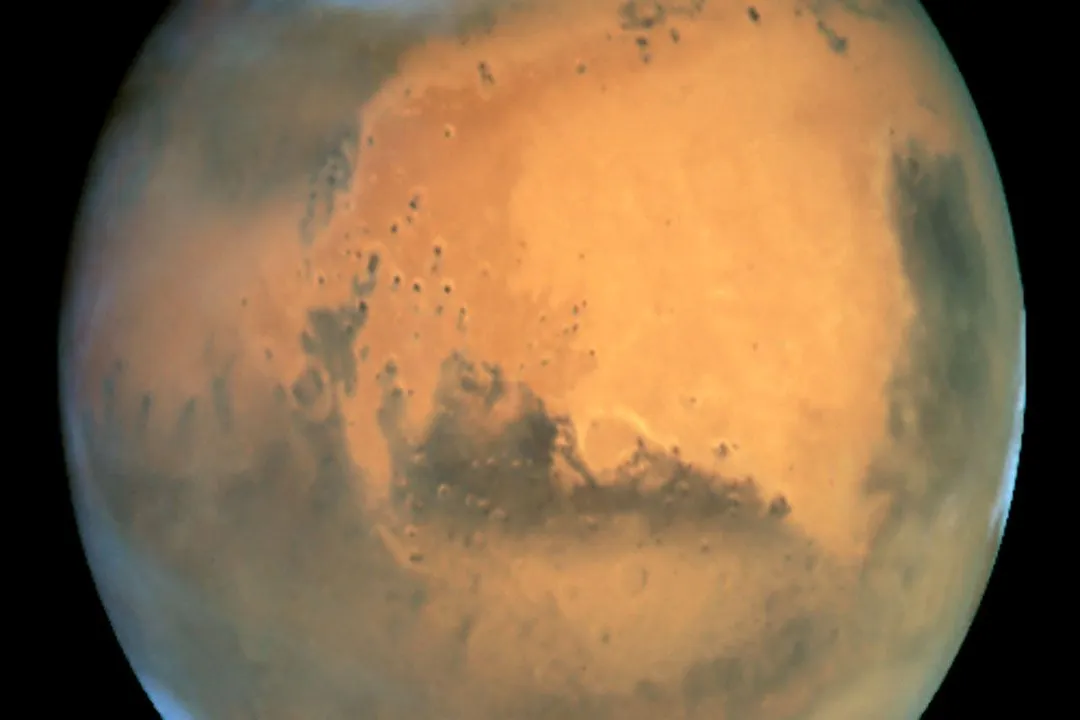
The most headline-grabbing discovery concerning modern Martian oceans isn't a visible sea but rather a colossal reservoir hidden far below the ground. Data gathered by instruments, often those analyzing radar reflections through the Martian crust, have revealed what appear to be significant deposits of water ice and perhaps even liquid brine deep within the planet, particularly near the south pole. These findings suggest that enough water exists underground today to equal the volume of an ocean, potentially several times over, though it is not a surface body.
One key study indicated the presence of a vast, stable body of liquid water existing miles beneath the south polar ice cap, possibly kept from freezing by geothermal heat and pressure. This finding is highly significant because it offers a potential niche for extant microbial life, shielded from the harsh radiation and thin atmosphere on the surface. However, this is where the "but there's a problem" aspect comes into play, as noted by some observers. While the amount of water is staggering—oceans worth buried within the planet—it is not easily accessible. It is trapped in layers of rock and ice, presenting an engineering challenge unlike anything humanity has yet faced, especially when considering resource extraction for potential future human missions.
# Comparing Water States
It is crucial to differentiate the types of water being discussed, as the implications for past life versus future exploration vary widely:
- Ancient Surface Ocean: Liquid, vast, exposed to the atmosphere. This environment existed billions of years ago.
- Modern Subsurface Reservoir: Potentially liquid (brine) or highly pressurized ice deposits miles below the surface. This is protected from surface conditions.
- Modern Surface Flows: Evidence confirms that some liquid water does flow on the present-day Martian surface, but this is generally understood to be very salty, transient brine that seeps out seasonally, not a standing ocean. These Recurring Slope Lineae (RSL) are thin flows that appear and disappear, too salty and temporary to be considered a persistent ocean.
The sheer scale of the past surface ocean compared to the current Arctic Ocean on Earth provides a valuable reference point for planetary scientists attempting to model the history of Martian climate. It implies an atmosphere robust enough to sustain stable liquid water globally, a condition that no longer exists.
# Modern Liquid Flows
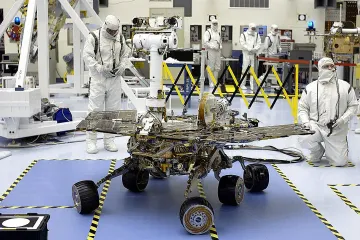
While the massive, ancient ocean is history, and the subsurface deposits are locked away, Mars is not entirely dry today. NASA has confirmed evidence suggesting that liquid water does flow on the planet today, albeit in a very limited and specific manner. This water manifests as dark streaks on slopes, known as Recurring Slope Lineae (RSL), which appear during warmer seasons and fade as temperatures drop.
The liquid here is almost certainly a highly concentrated salt solution—a brine. Salts like perchlorates act as antifreeze, lowering the freezing point of water enough for it to exist temporarily in liquid form even when the ambient temperature is below the pure-water freezing point. This ability for transient liquid water to exist on the surface today is critical for astrobiology studies, as it indicates a potential, though harsh, niche for life to survive now, sheltered from radiation within the brine itself. However, this phenomenon is localized and momentary, far removed from the concept of a planetary ocean.
# The Engineering Challenge
The distinction between the past surface ocean and the present subterranean water highlights a major theme in Mars exploration: accessibility. If the bulk of the planet's remaining water inventory is located several kilometers beneath the ice sheets or crust, the resource is functionally unavailable for immediate human use without advanced technology.
Consider the logistics: extracting water from the south pole reservoir, hypothesized to be miles deep, would require drilling technology capable of penetrating deep rock layers and managing potential high pressures, possibly below the ice cap itself. This contrasts sharply with missions that could potentially access near-surface ice deposits at the poles or mid-latitudes using simpler excavation techniques. When thinking about in-situ resource utilization (ISRU) for a long-term base, accessible water ice is the gold standard; deep, pressurized liquid brine is a second-generation challenge. The existence of these massive buried "oceans" confirms that water is plentiful on Mars, but it also sets a high bar for future explorers aiming to tap into that primary reservoir. The volume is there, locked in geologic time capsules.

# Data Context on Water Estimates
To better contextualize the findings, scientists often use models based on geological features and spectroscopic data to estimate past water volumes. While the exact mechanism driving the loss of the atmosphere and surface water remains an area of active research—involving solar wind stripping and sequestration into minerals—the volume estimates are surprisingly consistent.
Here is a simplified comparison of the scale of water discussed in recent findings:
| Water Location | State | Estimated Scale Relative to Earth | Significance |
|---|---|---|---|
| Ancient Surface | Liquid | Greater than Earth's Arctic Ocean | Implies warm, wet early Mars. |
| Modern Subsurface | Liquid/Ice Brine | Oceans' worth of volume | Potential subsurface habitat, difficult to access. |
| Modern Surface | Brine Flows | Transient, highly salty seeps | Evidence of current liquid existence, potential for microbial life. |
The sheer volume of water estimated to have been lost from the surface—more than Earth's entire Arctic Ocean—is a powerful indicator of how dramatically the planet’s environment shifted. This lost water mass represents a profound loss of potential habitability for the surface environment over geologic time.
# Future Implications and Scientific Drive
The ongoing confirmation of water, in any state—ancient, frozen, or flowing brine—is the engine driving much of the current rover and orbiter missions. Finding evidence of past oceans helps scientists focus on landing sites where sedimentary rocks, which form in standing water, are preserved, such as the Jezero Crater explored by Perseverance. Detecting the subsurface reservoirs keeps the focus on radar instruments capable of seeing through the regolith, providing geological context about where water might have gone and where it might still exist in stable, long-term reservoirs.
Furthermore, the knowledge that liquid water can exist today, even as a salty trickle, shapes contamination protocols and the search for biosignatures. If liquid water is present, even in trace amounts, the possibility that microbial life evolved to take advantage of that niche—shielded from surface radiation—becomes a more pressing question that future sample-return missions will aim to answer. Ultimately, the narrative around Martian water has shifted from "was there any?" to "where is the rest of it, and can we reach it?".
Whether one defines "finding an ocean" as recovering the memory of vast surface seas from billions of years past, or confirming the existence of an equivalent volume locked beneath the ice today, the answer from NASA's scientific endeavors is a definitive yes to the presence of oceans worth of H2O on Mars, even if the modern discovery requires looking deep underground rather than scanning the horizon.
#Videos
Just in: NASA Has Found Oceans of Liquid Water on Mars...For Real
Oceans on Mars: Zhurong's Unbelievable Discovery - YouTube
Related Questions
#Citations
NASA Research Suggests Mars Once Had More Water Than Earth's ...
Just in: NASA Has Found Oceans of Liquid Water on Mars...For Real
NASA Has Found Oceans Of Water On Mars — But There's A Problem
Mars may host oceans' worth of water deep underground
Ocean's worth of water may be buried within Mars — but can we get ...
Mars Hides Colossal Ocean Deep Below Its Surface
Water on Mars - Wikipedia