Which component persists for millennia versus the near-instantaneous core formation?
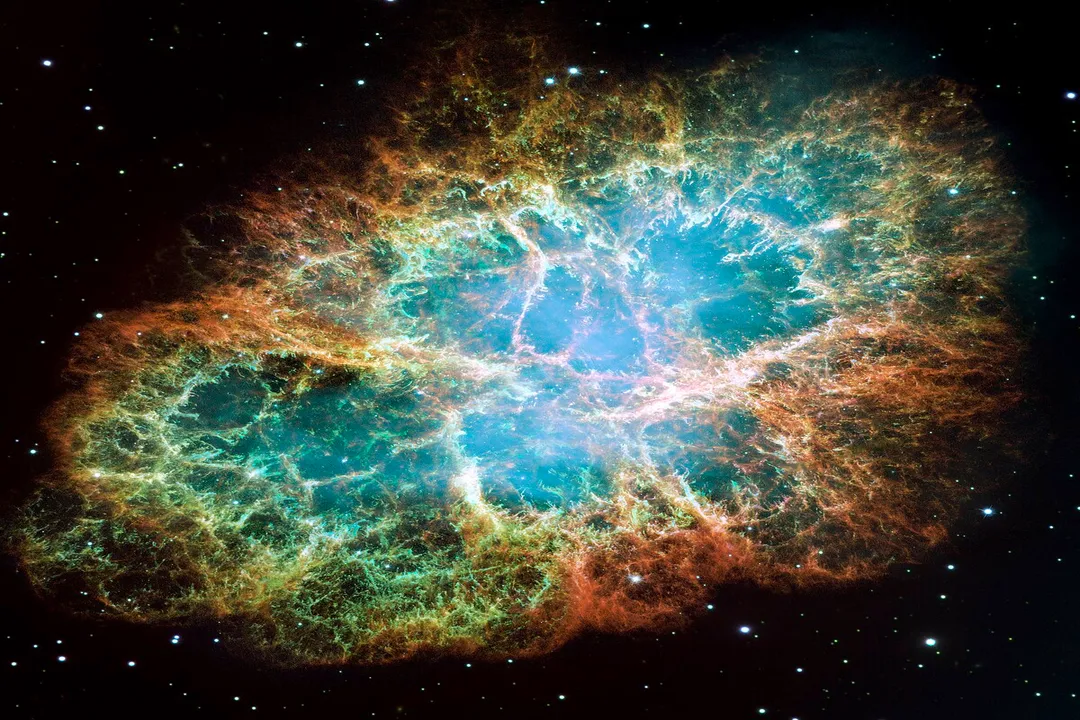
The visible nebula (supernova remnant shell)
There is a profound difference in the temporal scale characterizing the two primary results of a supernova. The formation of the compact core remnant—whether it becomes a neutron star or a black hole—is a truly catastrophic event, completed almost instantaneously, occurring within mere moments after the core collapse begins. In stark contrast, the visible component, the supernova remnant (the ejected shell of gas and dust), involves a slow dispersal process governed by kinetic energy and environmental interaction. This shell heats up, expands outward, and cools down over vast timescales, persisting for millennia until its material eventually diffuses and merges back into the diffuse interstellar medium, thus defining the long-term cycle of galactic chemistry.
#Videos
After A Supernova Event, What Is Left Behind? - Physics Frontier