What type of cryovolcanism is associated with Neptune’s largest moon, Triton?
Answer
Nitrogen cryovolcanism
Neptune’s moon Triton shows evidence suggesting past or current geological processes, specifically related to cryovolcanism powered by nitrogen. Although the exact heat source maintaining this activity is less definitively understood compared to the tidally locked Jovian moons, the observed young surface features imply ongoing geological events. Potential sources for this energy include residual heat remaining from Triton's formation or some form of tidal interaction with the planet Neptune.
Related Questions
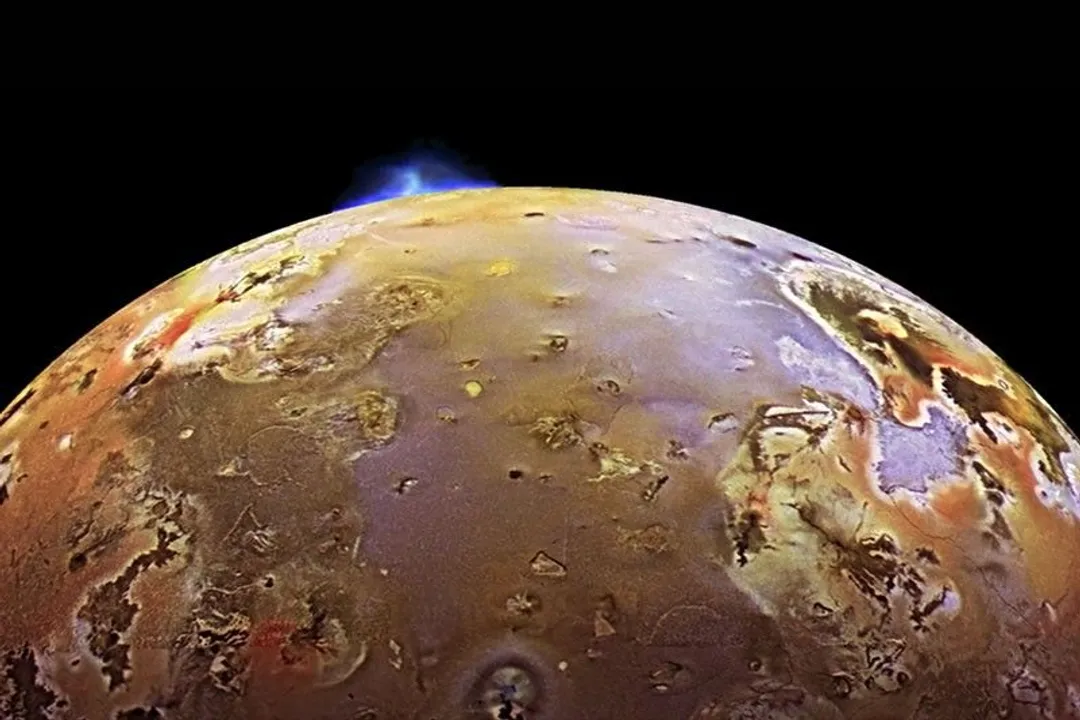
What powers Io's extreme geological activity, making it the most active body?How does Europa's geological activity differ from Io's silicate volcanism?From which specific features on Saturn's moon Enceladus do massive plumes erupt?What feature on Jupiter's moon Ganymede strongly suggests it harbors a molten, electrically conducting layer?How is Jupiter's outermost Galilean moon, Callisto, typically characterized regarding geological activity?What chemical components form the basis for the geological cycles of freezing, thawing, and flow observed on Saturn's moon Titan?What is the specific mechanism that generates internal friction and heat on Io due to Jupiter's immense gravity?What type of cryovolcanism is associated with Neptune’s largest moon, Triton?What factor directly correlates with the type of surface geology observed across diverse active moons?Why does Io exhibit remarkably few large impact craters on its surface?Which Galilean moon presents geological dynamism centered around a substantial subsurface ocean beneath an icy shell?