What factor directly correlates with the type of surface geology observed across diverse active moons?
Answer
The chemical composition of the layer being heated
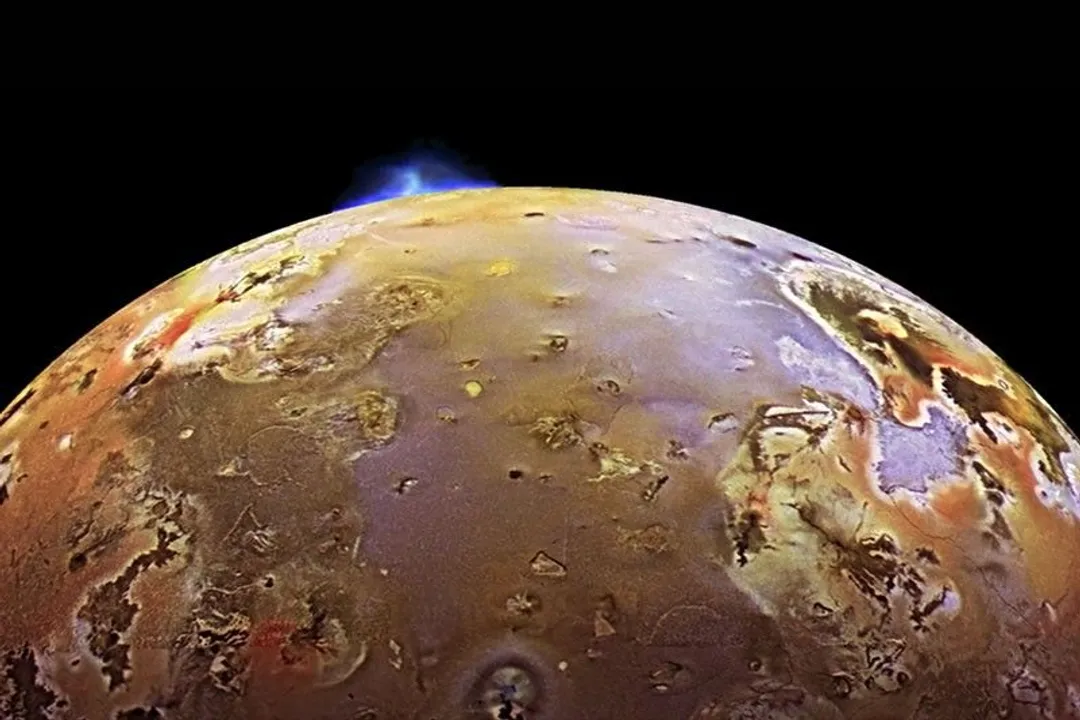
A key finding when comparing the various active worlds, such as Io (magma), Europa (water), and Titan (methane), is that the specific type of surface geology displayed is directly correlated with the chemical makeup of the layer undergoing thermal excitation. A world with a rocky mantle will erupt lava; a world with an ice shell over a liquid water layer will vent water vapor or slush; and a world featuring surface methane ice will instead drive methane flows, allowing researchers to predict processes on unobserved icy worlds.
Related Questions
What powers Io's extreme geological activity, making it the most active body?How does Europa's geological activity differ from Io's silicate volcanism?From which specific features on Saturn's moon Enceladus do massive plumes erupt?What feature on Jupiter's moon Ganymede strongly suggests it harbors a molten, electrically conducting layer?How is Jupiter's outermost Galilean moon, Callisto, typically characterized regarding geological activity?What chemical components form the basis for the geological cycles of freezing, thawing, and flow observed on Saturn's moon Titan?What is the specific mechanism that generates internal friction and heat on Io due to Jupiter's immense gravity?What type of cryovolcanism is associated with Neptune’s largest moon, Triton?What factor directly correlates with the type of surface geology observed across diverse active moons?Why does Io exhibit remarkably few large impact craters on its surface?Which Galilean moon presents geological dynamism centered around a substantial subsurface ocean beneath an icy shell?