What state defines a star's entry onto the Main Sequence phase?
Answer
Hydrostatic equilibrium
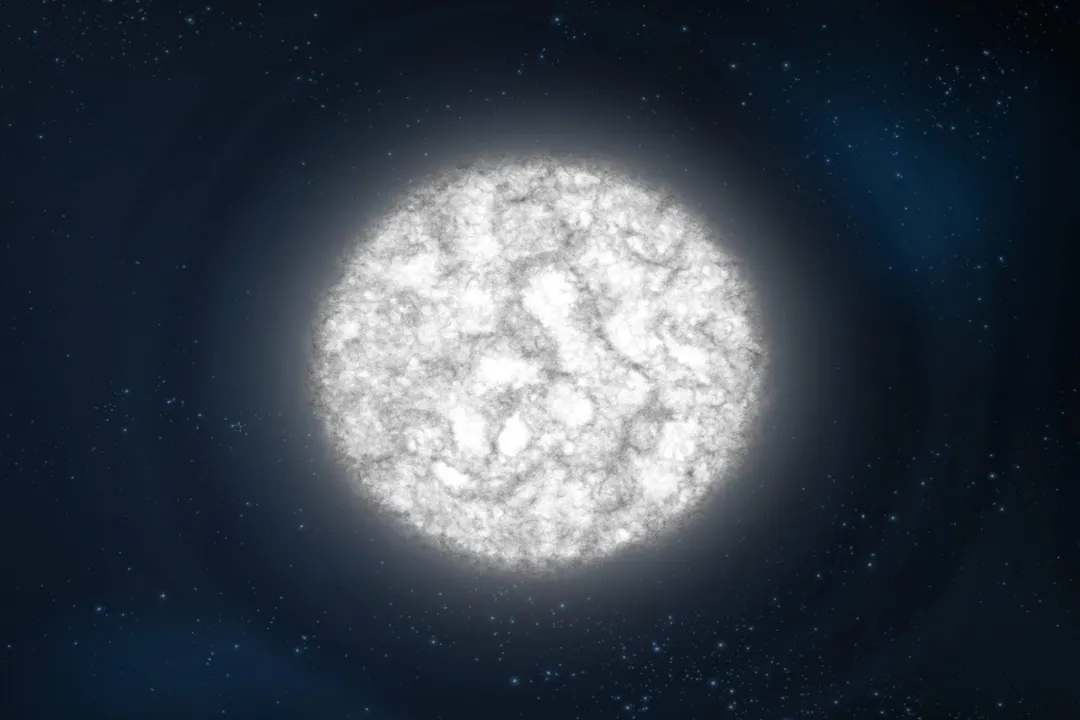
The Main Sequence represents the longest and most stable period in a star's life, beginning the moment nuclear fusion ignites in the core. This stability is maintained by a precise balance called hydrostatic equilibrium. This equilibrium is the condition where the tremendous, relentless inward force exerted by the star's own gravity, attempting to crush the stellar mass, is exactly counteracted and balanced by the intense, outward thermal and radiation pressure generated by the core's ongoing exothermic fusion reactions converting hydrogen into helium. This near-perfect standoff allows the star to maintain a stable size and luminosity for billions of years.
Related Questions
What is the primary composition of a molecular cloud before stellar birth?What criterion is met when gravity overcomes internal pressure to start collapse?What energy conversion occurs as a molecular core undergoes gravitational collapse?How does a protostar shed excess angular momentum during contraction?What is an object called if it fails to reach the temperature for sustained hydrogen fusion?What state defines a star's entry onto the Main Sequence phase?What element is created during the defining nuclear fusion reaction of stellar birth?How does a massive star's lifespan compare to a low-mass star on the Main Sequence?What powers the brightness of a T-Tauri star before nuclear ignition?What astronomical term is used for nebulae where new solar systems originate?