What is an object called if it fails to reach the temperature for sustained hydrogen fusion?
Answer
Brown Dwarf
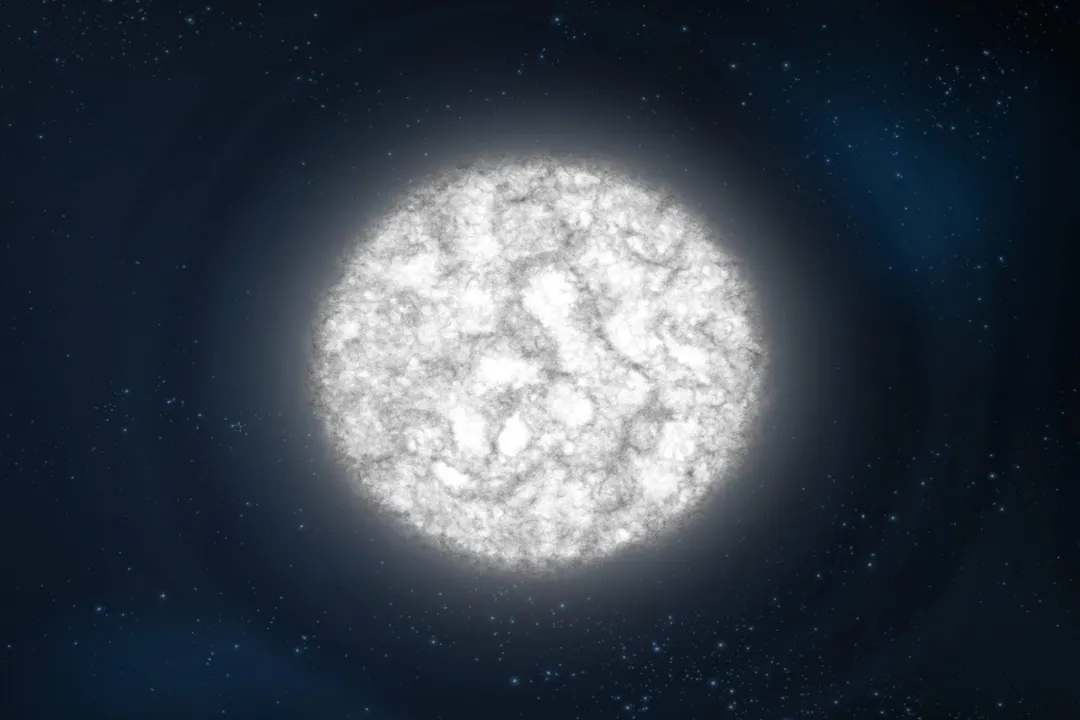
The defining characteristic of a true star is the sustained nuclear fusion of hydrogen in its core, a process requiring a critical internal temperature of roughly one million degrees Kelvin. If a collapsing core, even after prolonged gravitational contraction, falls short of reaching this necessary thermal threshold, it becomes classified as a Brown Dwarf. These objects exist in a transitional state: they are far too massive to be considered gas giant planets but lack the requisite mass to ignite and sustain the primary stellar energy source. Consequently, Brown Dwarfs spend their existence slowly cooling down, their initial faint heat source gradually dissipating.
Related Questions
What is the primary composition of a molecular cloud before stellar birth?What criterion is met when gravity overcomes internal pressure to start collapse?What energy conversion occurs as a molecular core undergoes gravitational collapse?How does a protostar shed excess angular momentum during contraction?What is an object called if it fails to reach the temperature for sustained hydrogen fusion?What state defines a star's entry onto the Main Sequence phase?What element is created during the defining nuclear fusion reaction of stellar birth?How does a massive star's lifespan compare to a low-mass star on the Main Sequence?What powers the brightness of a T-Tauri star before nuclear ignition?What astronomical term is used for nebulae where new solar systems originate?