What powers the brightness of a T-Tauri star before nuclear ignition?
Answer
Heat from slow, final gravitational squeeze
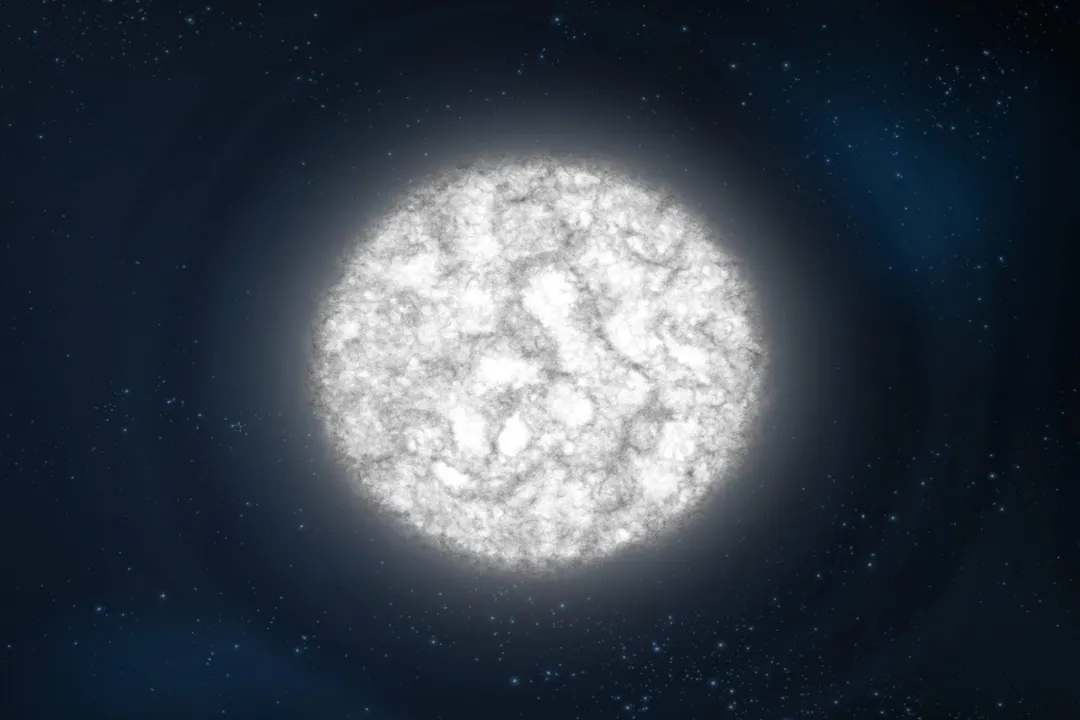
The T-Tauri phase immediately precedes the star achieving true ignition. During this stage, the influx of new material from the surrounding cloud has largely ceased, meaning accretion-based luminosity is winding down. However, the central temperature has not yet reached the one million degrees Kelvin benchmark required for sustained hydrogen fusion. Therefore, the light emitted by a T-Tauri star is still generated by the gradual, residual energy released from its ongoing, slow gravitational contraction, a process that can persist for up to one hundred million years before fusion finally begins.
Related Questions
What is the primary composition of a molecular cloud before stellar birth?What criterion is met when gravity overcomes internal pressure to start collapse?What energy conversion occurs as a molecular core undergoes gravitational collapse?How does a protostar shed excess angular momentum during contraction?What is an object called if it fails to reach the temperature for sustained hydrogen fusion?What state defines a star's entry onto the Main Sequence phase?What element is created during the defining nuclear fusion reaction of stellar birth?How does a massive star's lifespan compare to a low-mass star on the Main Sequence?What powers the brightness of a T-Tauri star before nuclear ignition?What astronomical term is used for nebulae where new solar systems originate?