What persistent threat poses significant cancer risks to long-term asteroid residents?
Answer
Unfiltered solar and galactic cosmic rays
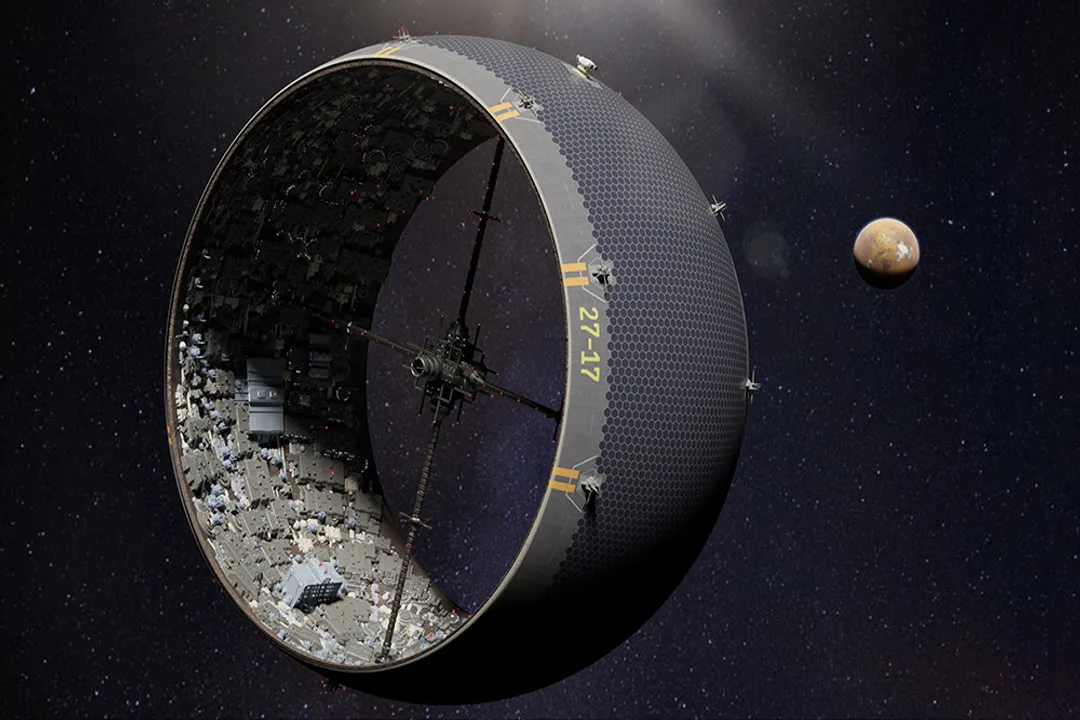
Radiation exposure represents the most immediate and persistent physical hazard facing long-term human settlement outside of Earth's protective magnetic field and atmosphere. Both solar radiation and galactic cosmic rays penetrate space unimpeded. Exposure to these high-energy particles significantly increases the risk of cancer in biological systems and causes generalized damage over extended periods. Because of this non-negotiable threat, the consensus points toward burrowing deep into the asteroid mass as the primary, non-negotiable mitigation strategy, relying on meters of rock shielding to absorb the radiation.
#Videos
Could Asteroids Be Humanity's New Home?! | Science Channel
Related Questions
What key volatile compounds are C-type asteroids rich in, vital for life support and propellant?What immediate protection do subsurface asteroid habitats offer colonists over surface living?What is the typical surface gravity of most small asteroids compared to Earth's gravity?What method is the most scientifically sound for generating simulated gravity in an asteroid habitat?What process allows water ice extracted from icy asteroids to produce primary components of rocket fuel?What persistent threat poses significant cancer risks to long-term asteroid residents?What role are primitive carbonaceous chondrites hypothesized to have played concerning life on Earth?What defines the architectural concept of a hollowed-out asteroid city theorized by Rochester researchers?What is the engineering trade-off regarding the required rotation speed for simulated gravity?What is the focus of the initial academic consensus steps for human asteroid settlement?