What is the engineering trade-off regarding the required rotation speed for simulated gravity?
Smaller radius requires faster spin, which is more disorienting
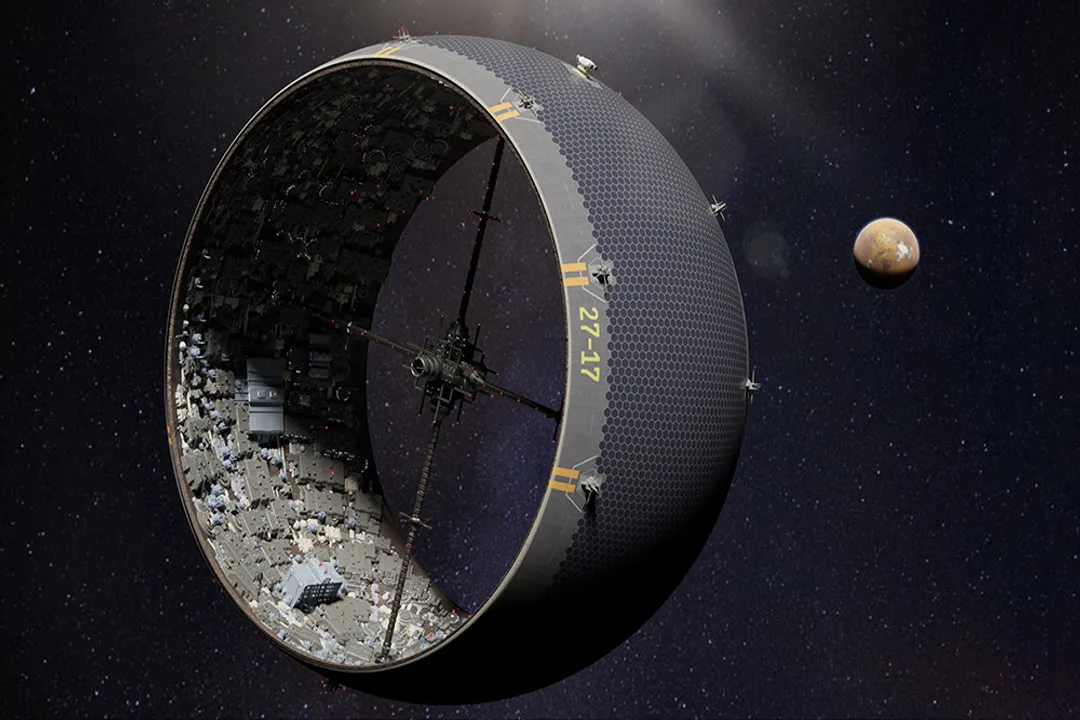
Achieving simulated gravity through rotation involves a delicate engineering trade-off directly related to the radius of the habitat and the required spin rate necessary to generate centrifugal force. If engineers opt for a smaller rotational radius, perhaps due to the size constraints of the carved-out asteroid section, the spin rate must be substantially increased to achieve the desired gravitational pull (like 1g). This necessary fast rotation rate often induces physical discomfort or disorientation in human occupants due to Coriolis effects. Conversely, utilizing a larger rotational radius allows for a slower, more comfortable spin rate, but this often demands that the structure itself be more massive and stable to withstand the forces involved in rotating a larger object effectively.
#Videos
Could Asteroids Be Humanity's New Home?! | Science Channel