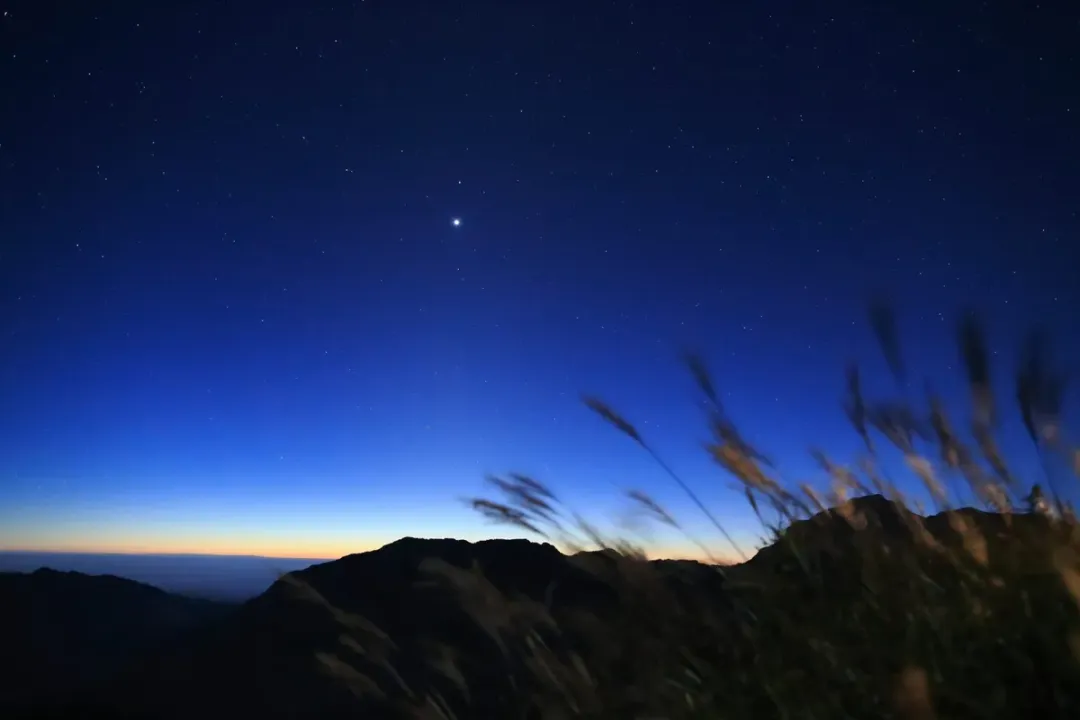
What is the approximate magnitude limit for stars visible to the naked eye under ideal dark skies?
+6.0 or +6.5.
The magnitude scale serves as a practical benchmark for assessing local sky quality by defining the limits of unaided human vision. Under conditions of perfect darkness, far removed from the effects of artificial illumination, a healthy human eye can typically discern stars down to a magnitude value hovering around +6.0 or slightly fainter, up to +6.5. Any stars fainter than this threshold require optical aid, such as binoculars or a telescope, to be seen clearly. Conversely, in areas afflicted by significant light pollution, such as suburban environments, this limit can regress significantly, potentially restricting visibility only to stars brighter than magnitude +4. This contrast highlights how the magnitude number directly correlates with the visibility threshold under different observing environments.