What causes the distinctive red glow often seen in Emission Nebulae?
Answer
Ionized hydrogen emitting light when electrons recombine.
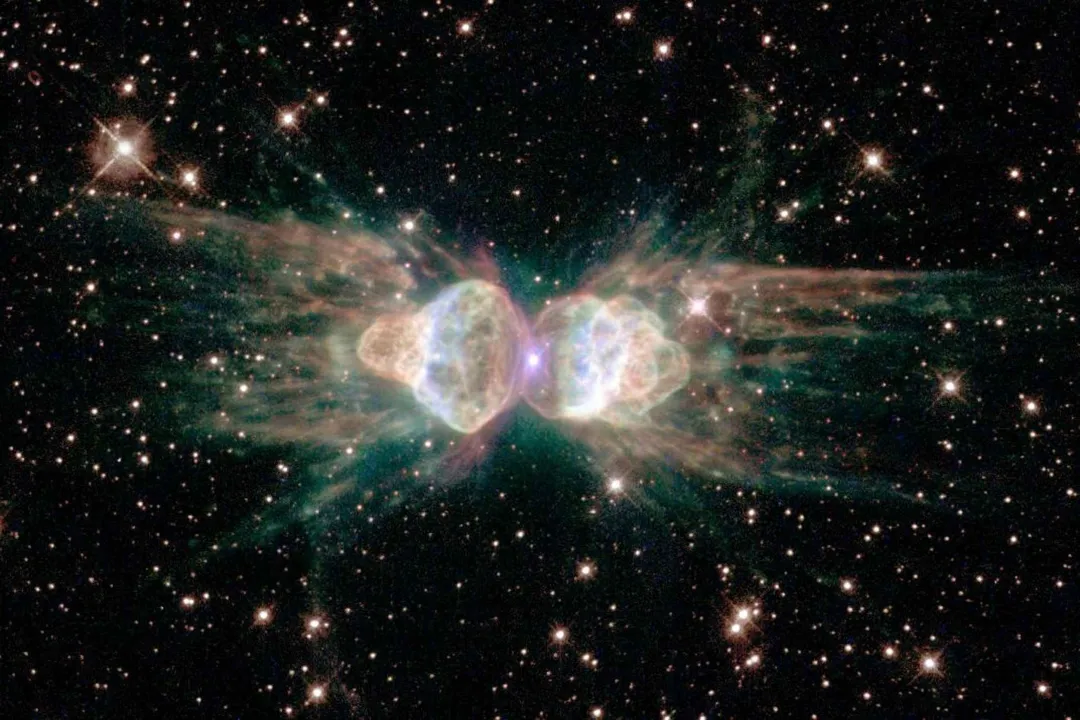
Emission Nebulae are characterized by their intrinsic glow, which results from hot, ionized gas within the cloud. This ionization is typically caused by intense ultraviolet radiation streaming from nearby, very hot, young stars embedded within or adjacent to the cloud. When electrons recombine with the atoms—particularly hydrogen—the atoms release energy by emitting light at specific wavelengths. The characteristic reddish or pinkish hue commonly associated with these star-forming regions is specifically attributed to the light emitted by ionized hydrogen.
#Videos
Nebulae: Crash Course Astronomy #36 - YouTube
Types of Nebulae - Clouds of Gas and Dust - YouTube
Related Questions
What is the most recognized term for a general cosmic gas cloud?What element constitutes the vast majority of gas in cosmic clouds?Why do Reflection Nebulae often appear blue when illuminated?What process creates a Planetary Nebula?What is the defining visual characteristic of a Dark Nebula?How does a nebula specifically relate to a general interstellar cloud?How are very cold, non-luminous molecular clouds primarily observed?What materials primarily compose the solid dust grains in nebulae?What causes the distinctive red glow often seen in Emission Nebulae?What event results in the formation of a Supernova Remnant?