What specifically constitutes a nebula, defined scientifically as an interstellar cloud?
Answer
Dust, hydrogen, helium, and other ionized gases
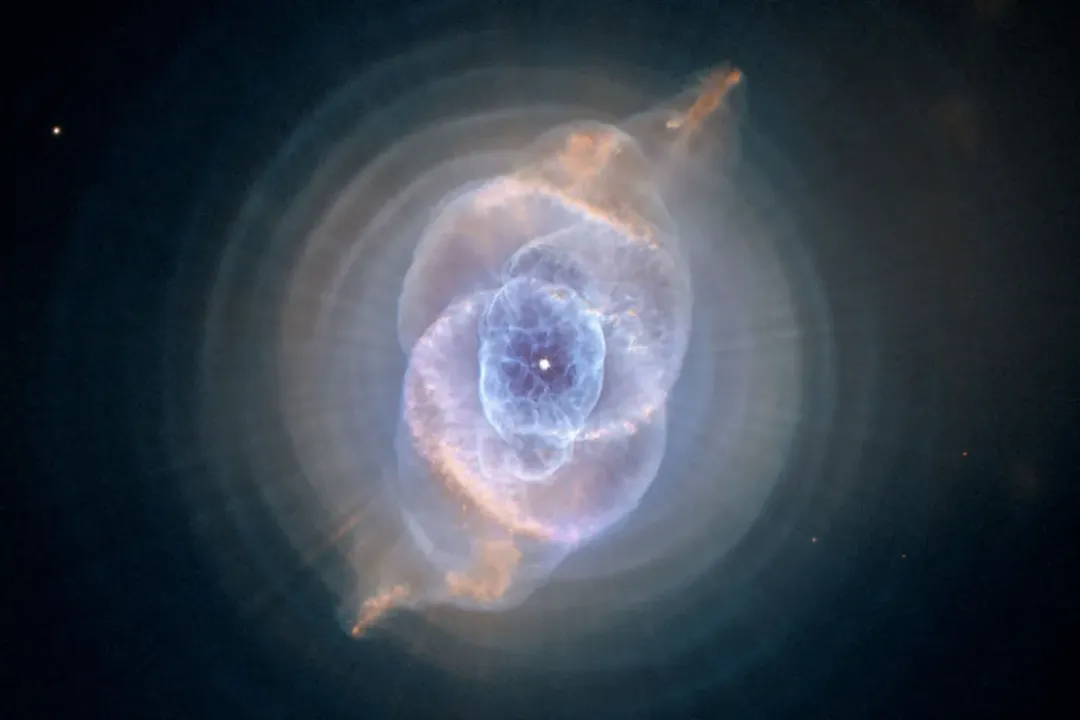
A nebula is precisely defined in modern astronomy as an interstellar cloud composed of dust, hydrogen, helium, and other ionized gases. These materials act as the fundamental building blocks for star formation or represent the expansive debris left after stars complete their life cycles. This composition is vastly different from terrestrial clouds, which are primarily composed of water vapor or ice crystals, emphasizing the immense scale and material differences between cosmic clouds and atmospheric moisture.
Related Questions
What Latin word serves as the origin for the term "nebulae" describing glowing celestial structures?What specifically constitutes a nebula, defined scientifically as an interstellar cloud?How does the density of a typical nebula compare to a terrestrial vacuum chamber?On what primary basis do astronomers classify different categories of nebulae?What process causes Emission Nebulae to glow vibrantly, often showing a reddish color?Why do Reflection Nebulae often exhibit a blue appearance when observed?How are Dark Nebulae made visible to astronomers observing distant objects?What is the factual reason why Planetary Nebulae are unrelated to planets?What key material composition distinguishes Supernova Remnants in interstellar space?What specific element's excitation is responsible for the strong reddish-pink hue in regions like the Lagoon Nebula?