How does a dark nebula primarily achieve its visual classification?
Answer
By blocking or absorbing visible light originating from sources located behind them
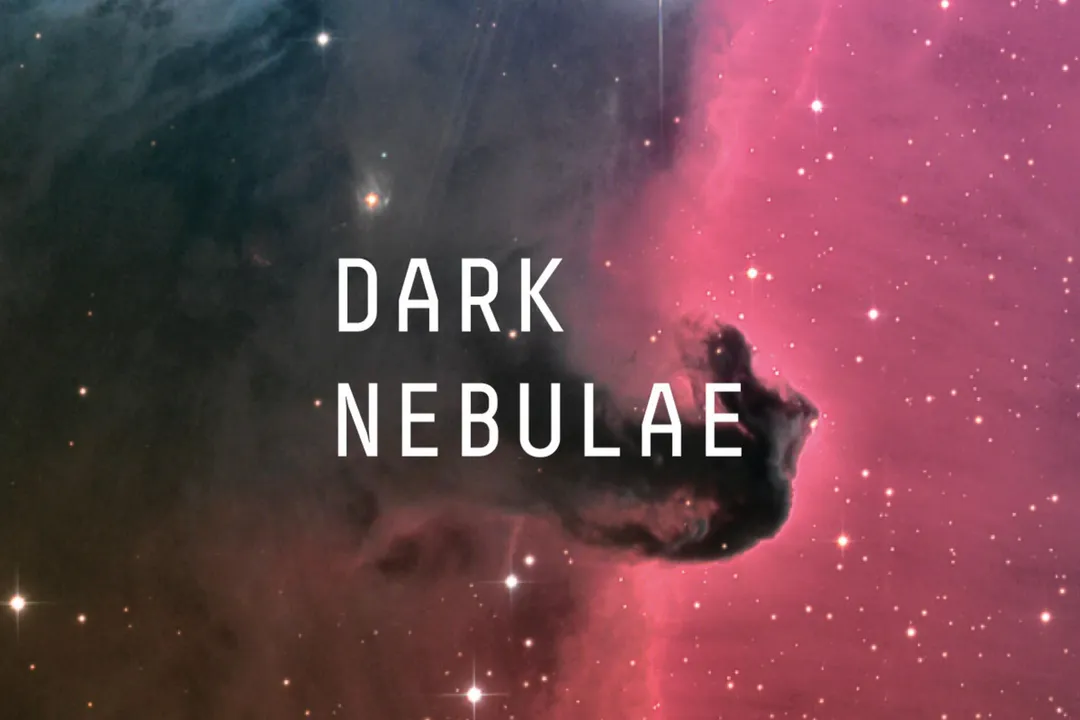
A dark nebula is defined by its absence of emitted light; its visibility stems entirely from its ability to block or absorb visible light coming from sources situated behind the dust cloud.
#Videos
How Do Reflection, Emission, And Dark Nebulae Differ? - YouTube
How Do You Distinguish Emission, Reflection, And Dark Nebulae?
Related Questions
What does the general classification term 'nebula' simply mean?What process primarily causes an emission nebula to produce visible light?What type of stars are typically found residing in the vicinity of emission nebulae?What specific spectral line often results in the characteristic deep red glow seen in hydrogen-rich emission nebulae?How does a dark nebula primarily achieve its visual classification?What is the typical composition of a dark nebula according to the text?Which contrast best summarizes the core distinction between an emission nebula and a dark nebula?What visual feature often indicates the presence of a reflection nebula, distinguishing it from the other two types?If an object's darkness is proportional to the apparent density of the dust cloud, what type of nebula is being observed?How does the application of an $\text{H}\alpha$ narrowband filter affect the visibility of a dark nebula?