What are the mental effects of space radiation?
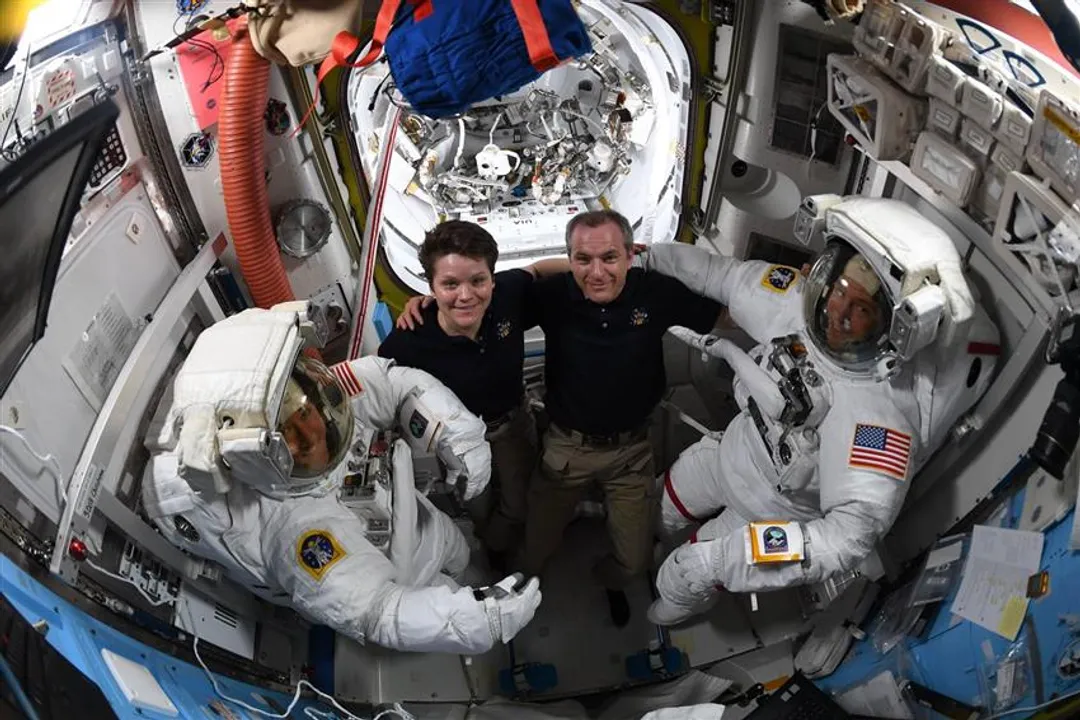
Traveling beyond Earth’s protective magnetic field exposes astronauts to a unique, high-energy bombardment of space radiation, a hazard that scientists are intensely studying because its effects reach beyond immediate physical illness and deep into the central nervous system. [3] While the physical risks, like cancer, are well-known, the potential for long-term cognitive and neurological changes presents a significant hurdle for deep-space exploration, such as missions to Mars. [4][5] Understanding how this environment alters the brain is crucial for maintaining astronaut performance and health over extended voyages. [1]
# Radiation Types
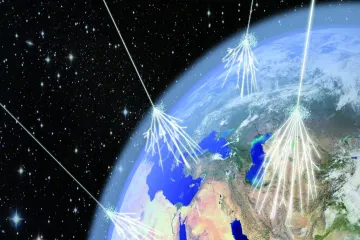
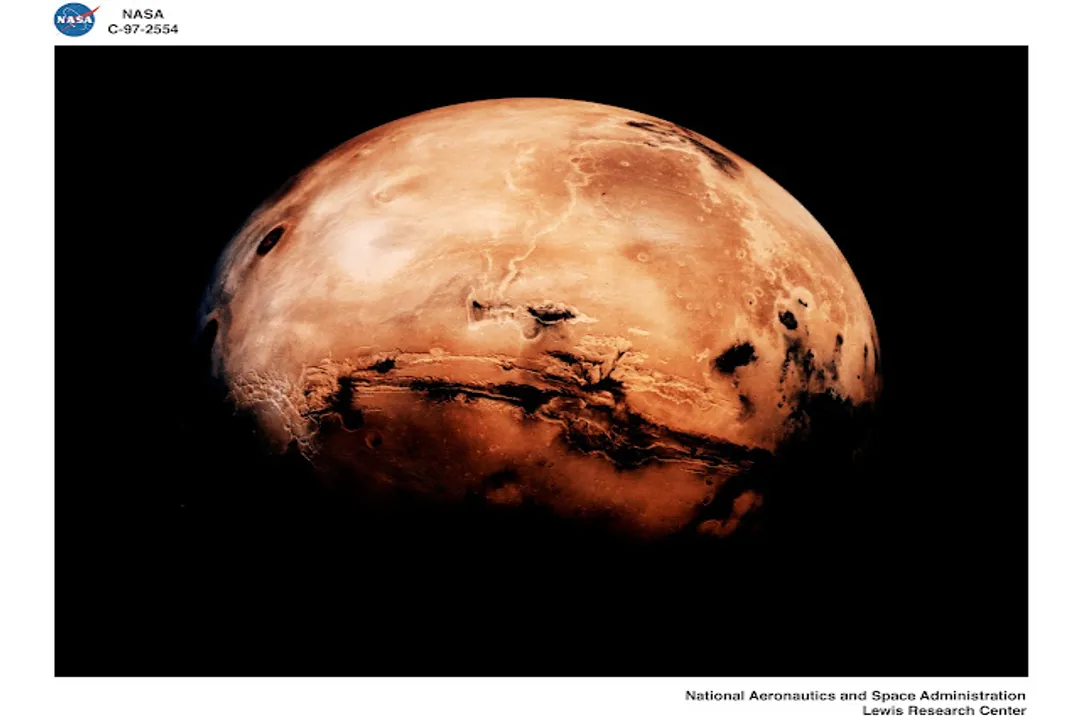
The radiation encountered in space is fundamentally different from the radiation humans experience on Earth. [5] In orbit, astronauts orbiting Earth (Low Earth Orbit or LEO) are primarily exposed to solar energetic particles (SEPs) during solar flares and trapped radiation belts, but they still receive some exposure to Galactic Cosmic Rays (GCRs). [2][5] However, for missions venturing past the protection of the Van Allen belts, such as a trip to Mars, the dominant and most concerning component becomes GCRs. [5]
GCRs are comprised of high-energy atomic nuclei—protons, helium nuclei, and heavier ions—that travel at near the speed of light. [5] These particles are incredibly penetrating. When they strike biological tissue, they deposit energy unevenly, creating localized areas of intense damage known as "high-linear energy transfer" (LET) events. [5] This heavy ion bombardment differs significantly from the low-LET radiation common in medical settings on Earth, making it difficult to fully model or predict the consequences based on terrestrial experience. [6] The sheer kinetic energy carried by these heavy ions allows them to traverse spacecraft shielding and tissues, directly impacting sensitive cellular structures within the brain. [4]
# Brain Damage
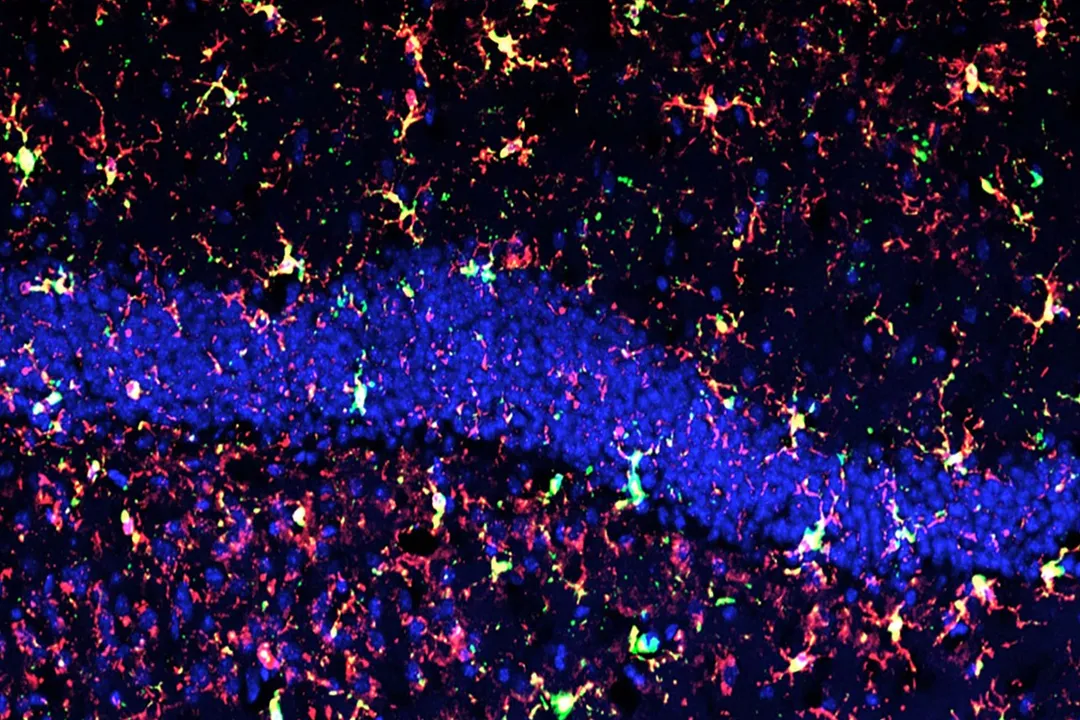
The primary concern regarding space radiation and mental health centers on damage to the brain’s delicate architecture and functioning. [4] Radiation exposure, particularly from heavy ions, causes immediate and delayed biological responses within the central nervous system. [1][5] One major pathway involves initiating inflammatory responses. [4] Exposure can trigger neuroinflammation, which involves immune cells in the brain becoming activated. [8] This inflammation can lead to long-term changes in brain function, potentially disrupting normal signaling pathways. [4]
Research suggests that radiation exposure can affect the structural integrity of brain tissue. [1] This includes damage to neurons, the vital signaling cells, and the surrounding support cells, such as glia. [1] Specific attention has been paid to changes in synaptic plasticity—the brain's ability to adapt and reorganize itself by strengthening or weakening connections between neurons—which is essential for learning and memory formation. [1][4] Furthermore, exposure can lead to persistent changes in microglial activation states, which are the resident immune cells of the central nervous system. [8] Scientists have observed that the immune system's response in the brain, when triggered by radiation, can be "rebooted" in a way that suggests persistent alteration, not just a transient shock. [8] This sustained inflammatory state is a key suspected mechanism linking physical radiation exposure to cognitive decline. [4]
# Cognitive Decline
When these physical and cellular changes occur, the resultant mental effects can manifest as quantifiable cognitive deficits. [1] Astronauts are highly trained professionals whose missions rely on precise decision-making, rapid problem-solving, and accurate memory recall—functions that rely on an intact frontal cortex and hippocampus. [4]
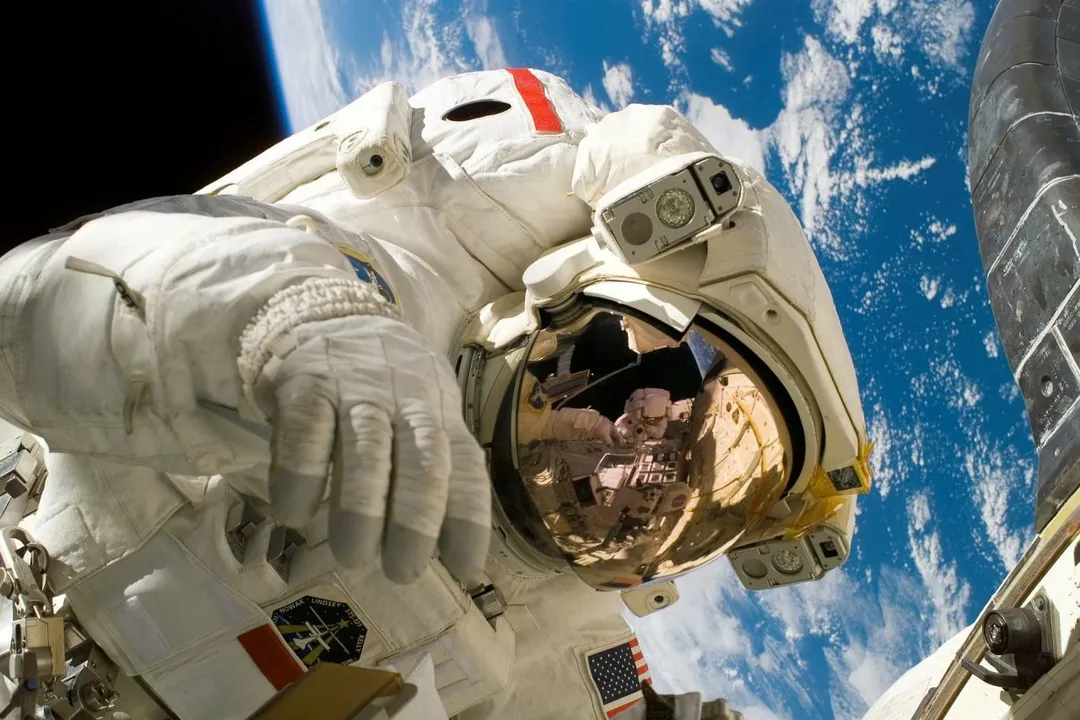
Potential cognitive impairments include difficulties with executive functions, which encompass planning, decision-making under pressure, and working memory. [1][9] For instance, an astronaut facing an unexpected system failure during a spacewalk must quickly access protocols, evaluate real-time data, and initiate a corrective sequence; radiation-induced degradation in these areas could have mission-critical consequences. [9] Studies analyzing data from ground-based models simulating space radiation environments have pointed toward impairments in fine motor skills and the ability to process new information after exposure. [1] While astronauts in LEO receive lower doses, the long duration of potential future missions, like a multi-year Mars transit, means the total accumulated dose could significantly increase risk factors for these issues. [3]
It is important to contextualize these risks not as an immediate shutdown but as a gradual degradation of efficiency. Consider that even a small, persistent slowing in reaction time or a slight dip in attention span across an entire crew over several years could drastically increase the probability of human error during complex, high-stakes operations. [9] Planning for mitigation must therefore account for chronic, cumulative effects rather than just acute, catastrophic failure.
# Separating Stressors
When discussing the mental health of space travelers, it is necessary to differentiate the specific impact of physical radiation from the pervasive psychological challenges of confinement and isolation. [7] Isolation, distance from Earth, and confinement within a small habitat induce their own set of psychological stresses, including potential mood disturbances, altered sleep patterns, and interpersonal conflict. [7] These factors create a potent background environment that can exacerbate or mask the effects of radiation exposure.
The psychological stress of isolation and confinement is well-documented in terrestrial analogues and historical missions. [7] However, radiation exposure represents a distinct, physical insult to the neurological hardware itself. While psychological countermeasures—like robust communication schedules, virtual reality environments, and good crew selection—can address the challenges of isolation, they cannot physically shield the brain tissue from GCRs or repair the resultant chronic inflammation. [7] A crucial distinction, then, is that the challenges arising from the physical environment (radiation) demand biological countermeasures and shielding science, whereas the challenges of the social/psychological environment (isolation) require behavioral and operational solutions. [7] In the harsh reality of long-duration spaceflight, these two sets of problems—the physical and the psychological—will invariably interact, making the measurement of any single effect challenging. [3]
# Research Needs
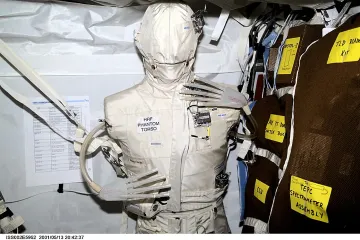
Current research efforts are focused on refining models to predict the exact dose and type of radiation that will cause irreversible cognitive impairment. [2][3] Developing accurate dosimetry—the precise measurement of absorbed radiation dose—is a prerequisite for correlating exposure with observed mental effects. [3] Furthermore, researchers are investigating potential countermeasures. Some research has looked at pharmaceuticals or dietary interventions that might protect neurons or dampen the radiation-induced inflammatory cascades before they become established. [4]
One area of investigation involves examining how the radiation affects the brain’s innate defense mechanisms. The observation that radiation can "reboot" the brain’s immune system suggests that while damage occurs, the system attempts to respond, albeit perhaps maladaptively. [8] Understanding the nuances of this response—is it repair attempt, or a permanent shift to a pro-inflammatory state?—is central to creating effective countermeasures. [8] The ability to understand and potentially modulate these molecular events will determine the long-term viability of crewed missions to deep space. [1][5]
When considering countermeasures, it is helpful to compare passive shielding versus active biological protection. Passive shielding, such as thicker hull materials, is highly effective against lower-energy protons found in SEPs but proves far less effective against the highly energetic, multi-charged ions that characterize GCRs. [2] This limitation strongly suggests that the ultimate solution for protecting the astronaut’s mind will require a dual approach: optimizing physical shielding where possible, but heavily investing in medical countermeasures designed to protect the central nervous system at the cellular level from the unavoidable flux of heavy ions. [6] This synergy between engineering and biology will be the defining factor in mission success regarding cognitive health.
# Chronic Accumulation
The nature of space travel means that astronauts are exposed to radiation at a constant, low dose rate over months or years, unlike the brief, high-dose exposures common in terrestrial radiation therapy. [6] This chronic, low-dose exposure carries a different risk profile because the body's cellular repair mechanisms are perpetually engaged but potentially overwhelmed. [1] If cellular repair mechanisms are chronically slowed or the damage rate exceeds the repair rate, minute, cumulative changes can aggregate into significant functional decline by the time the crew reaches their destination or attempts to return home. [1] This concept of chronic accumulation underscores why real-time monitoring of cognitive status, paired with biological markers, becomes more important than simply measuring total absorbed dose upon return. [3] What matters most is when the damage occurs relative to the critical cognitive tasks required for the mission phases.
# Future Outlook
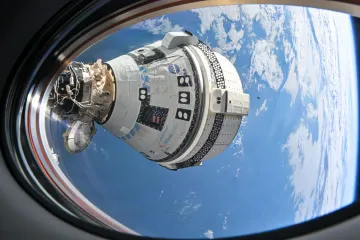
For missions to Mars and beyond, the management of neurological risk will become an established part of flight operations, much like nutrition and exercise are today. [3] Success hinges on preemptive risk stratification—identifying which crew members might be biologically more susceptible to radiation damage based on genetic profiles or pre-flight testing—and developing in-flight diagnostic tools. [4] While the challenges presented by space radiation on the brain are significant, the ongoing scientific inquiry into the cellular mechanisms of damage and inflammation provides tangible targets for intervention, moving the conversation from an unmanageable threat to a solvable engineering and medical problem. [8][5]
Related Questions
#Citations
Clues to How Space Radiation Induces Cognitive Damage
The Impact of Space Radiation on Brains of Future Martian and ...
Health Impacts of Radiation in Space and Countermeasures
How does radiation in space affect the brain? - Stanford Medicine
How Does Cosmic Radiation Affect the Brain? One USU Professor ...
Space radiation risks to the central nervous system - ScienceDirect
How space and isolation affect astronauts' mental health
Archive: Deep Space Radiation Treatment Reboots Brain's Immune ...
The Burden of Space Exploration on the Mental Health of Astronauts