Why is referring to the far side of the Moon as the "dark side" considered a misnomer?
Answer
The amount of sunlight hitting any part of the Moon changes constantly as it goes through phases.
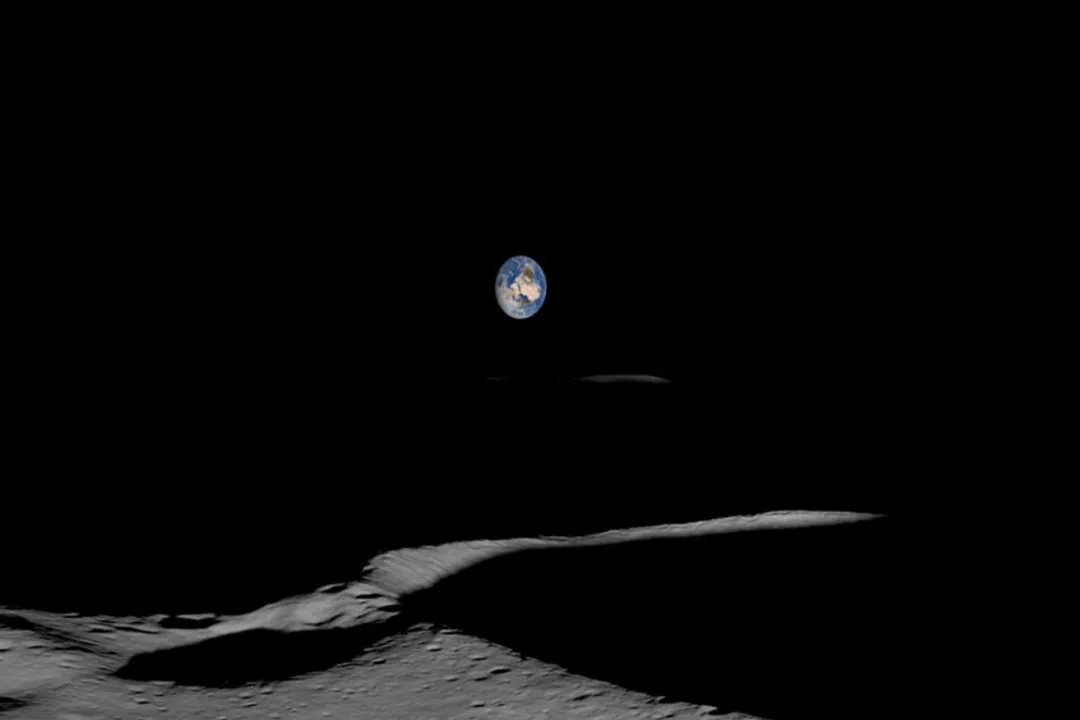
The term "dark side" inaccurately implies that the far side is perpetually unlit. In reality, the Moon undergoes phases just like Earth does, meaning the distribution of sunlight across its surface is dynamic. For instance, during the New Moon phase as observed from Earth, the near side is dark to us, but the far side is completely illuminated by the Sun. Conversely, during the Full Moon phase when the near side is brilliantly lit, the far side is experiencing its own period of night. Therefore, the illumination cycle affects both hemispheres equally over time, making the persistent shadow concept inapplicable to the far side.
Related Questions
What defines the Moon being tidally locked with Earth?What surface feature characterizes the Near Side, unlike the Far Side?Why is referring to the far side of the Moon as the "dark side" considered a misnomer?How does an observer's latitude on Earth affect which lunar hemisphere is visible?What is the phenomenon known as libration?What percentage of the Moon’s surface becomes visible over time due to libration?What is the primary scientific driver for intense interest in the Moon's South Pole region?Why do deep craters near the Moon's poles create conditions suitable for water ice survival?What must occur for the visibility of the entire South Pole to be achieved from Earth?How do the surface compositions of the Near Side and Far Side differ based on rock sample analysis?