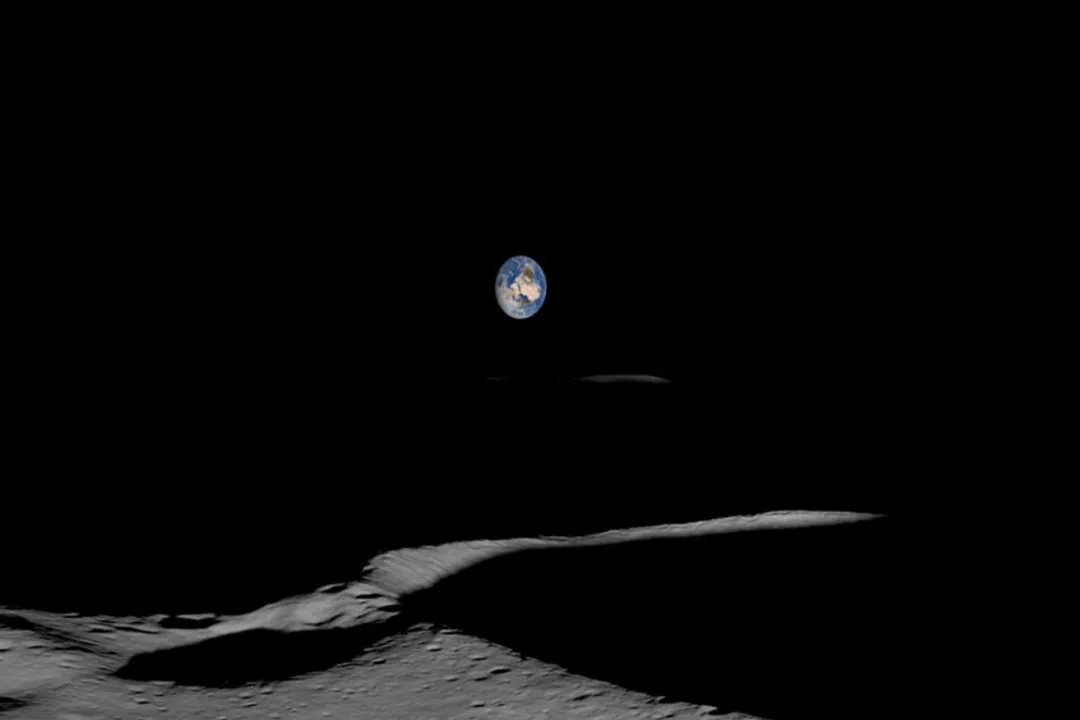
What is the primary scientific driver for intense interest in the Moon's South Pole region?
The potential presence of water ice trapped in permanently shadowed regions (PSRs) near the poles.
The immense scientific and practical focus on the Moon's South Pole region stems primarily from the possibility of finding significant reserves of water ice. This ice is hypothesized to exist within Permanently Shadowed Regions (PSRs) located deep within certain craters near the poles. Because the Sun remains perpetually low on the horizon in these polar areas, these deep depressions never receive direct sunlight, resulting in extremely cold environments. These conditions allow volatile materials, such as water ice, to survive and remain preserved for eons. Accessing and quantifying this ice is a major objective for current and future lunar missions because it represents an invaluable resource for sustaining long-term human outposts on the Moon.