How to see the black moon today?
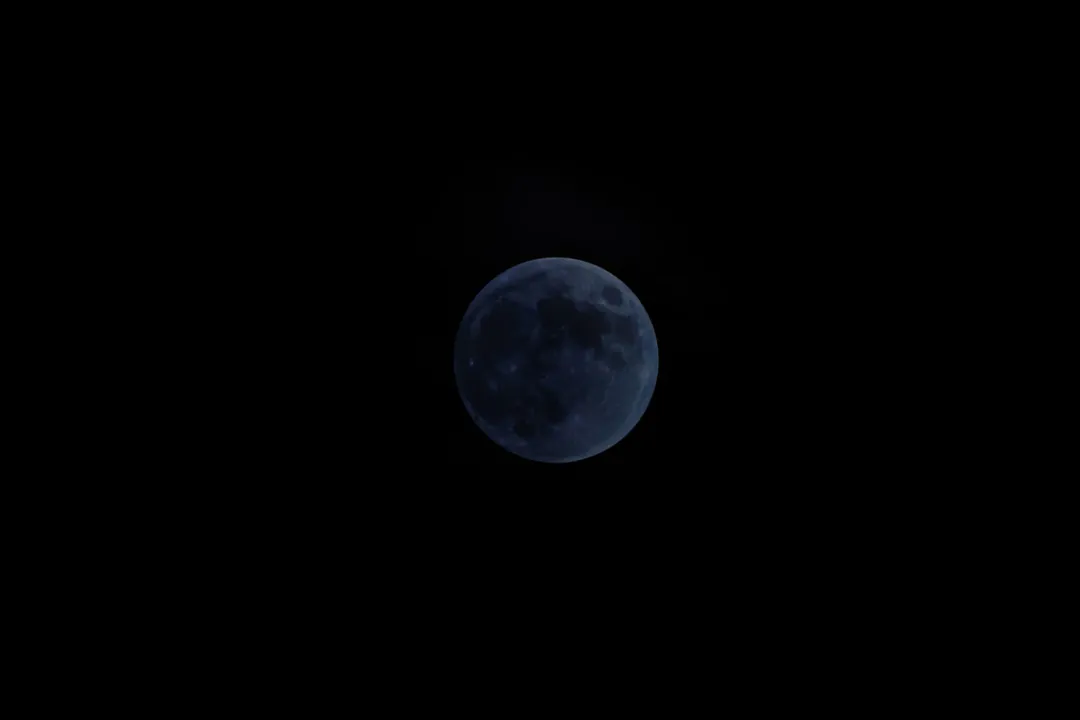
The excitement surrounding a "Black Moon" often centers on the name itself, conjuring images of a dramatically dark celestial body against the cosmos. Yet, for those eager to point their binoculars skyward on the specified date, the immediate reality check is that a Black Moon is, by its very definition tied to the lunar cycle, largely invisible. This is not a physical object or a different type of moon, but rather a designation applied to a New Moon based on its timing within the calendar or the astronomical season. Because the event centers on the New Moon phase, the side of the Moon facing our planet receives no direct sunlight; it is completely dark from our vantage point.
# Lunar Mechanics
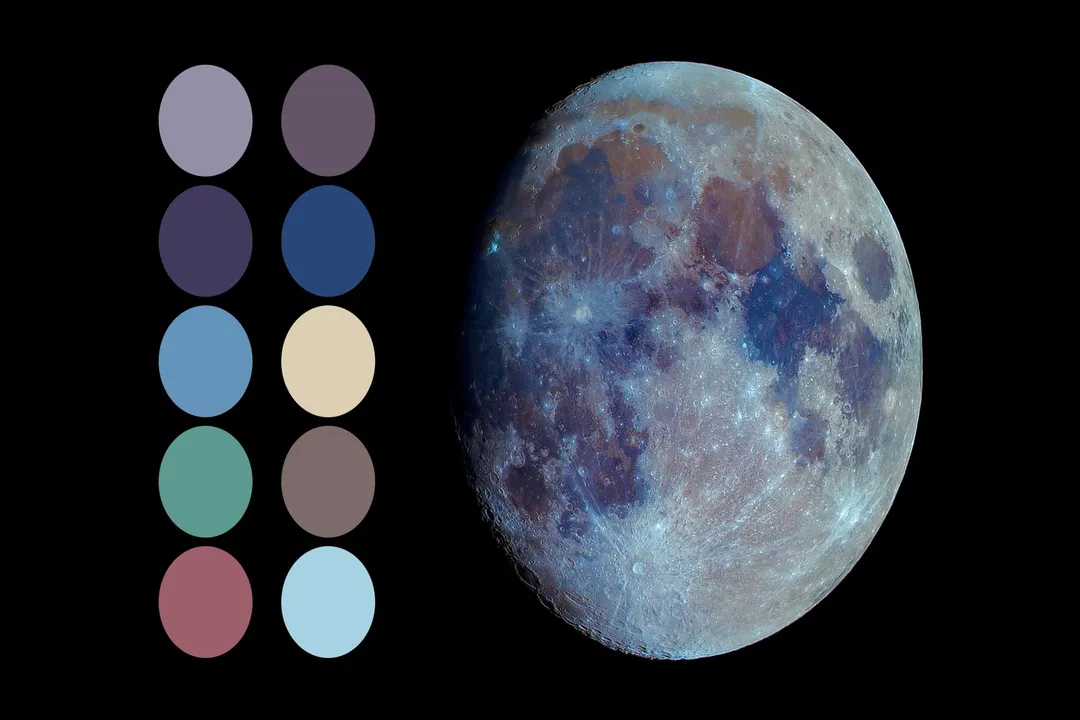
To understand what you "see" (or rather, don't see), it helps to remember the basic mechanics of our nearest celestial neighbor. The Moon, like Earth, is a sphere, and it is perpetually half-lit by the Sun. As the Moon orbits Earth, the proportion of that sunlit half visible to us changes, creating the familiar progression of phases. The lunar cycle, the time it takes to move through all phases, averages about 29.5 days.
The New Moon occurs at a precise moment in time when the Sun, Earth, and Moon are aligned, with the Moon positioned between the Earth and the Sun. At this junction, the Moon rises and sets almost simultaneously with the Sun, meaning it is in the daytime sky, and the face pointed toward us is unilluminated. Furthermore, its proximity to the Sun in the sky means any faint outline would be completely washed out by solar glare.
Even during the New Moon, the Moon is not perfectly invisible, as the faint, sunlit far side is sometimes faintly visible due to Earthshine—sunlight reflected off the Earth and onto the Moon's dark side. However, for the purposes of observing the Moon itself, the New Moon phase is synonymous with disappearance. Professional astronomers, however, view this phase as a gift: it eliminates the brightest natural light source in the night sky, creating ideal conditions for deep-sky observation.
# Naming Conventions
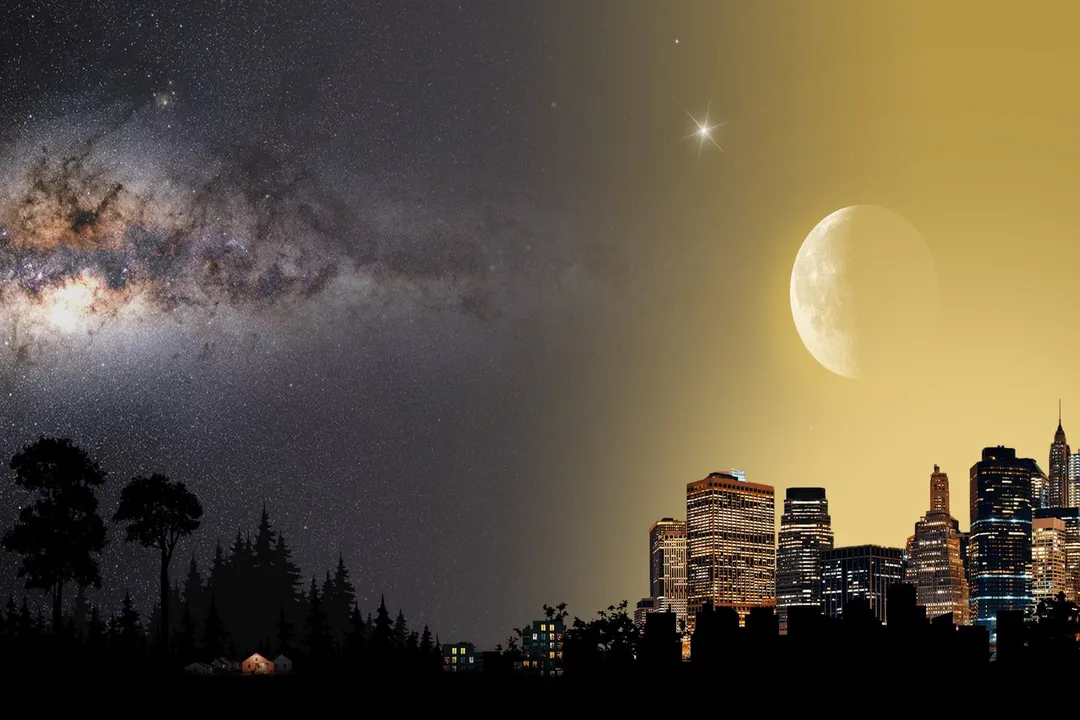
The term "Black Moon" is not an official term used by astronomers; rather, it is a nickname that has gained popularity through social media and cultural use. Its confusion stems from the fact that the moniker is applied to several different, rare lunar timing patterns.
# Monthly Versus Seasonal
The two most common definitions rely on how the lunar cycle interacts with our standard Gregorian calendar:
- The Calendrical Black Moon: This occurs when a single calendar month contains two New Moons. Since the lunar cycle is slightly shorter than most calendar months, this extra New Moon occasionally slips into the end of one month and the beginning of the next, resulting in two occurring within the same month. This type of Black Moon is the most common, happening roughly once every 29 months.
- The Seasonal Black Moon: This definition is considered the direct counterpart to the original definition of a Blue Moon—an extra Full Moon in a season. An astronomical season typically spans about three months and usually contains three New Moons. When a season manages to squeeze in a fourth New Moon, the third New Moon of that season is designated the Black Moon. These are slightly rarer than the monthly variety, occurring about once every 33 months. The event generating current interest, such as the one slated for August 23, 2025, falls under this seasonal designation.
It is interesting to note that while the Blue Moon marks an extra Full Moon—making the sky brighter for an extra night—the Seasonal Black Moon marks an extra New Moon—making the sky darker for an extra night.
# The February Exception
There is a third, extremely rare, definition tied exclusively to February. Because February is the only calendar month shorter than the synodic lunar month, it can occasionally have neither a New Moon nor a Full Moon.
- No New Moon in February: This occurs once every 19 years, causing both January and March to host two New Moons. For example, this won't happen again until 2033.
- No Full Moon in February: Similarly, this also happens about once every 19 years, leading to a "double Blue Moon" in January and March. The next occurrence of this specific event is projected for 2037.
When a Black Moon is defined as the absence of a moon, it stands in direct opposition to the other definitions where it is defined by the presence of a New Moon.
| Black Moon Type | Defining Characteristic | Approximate Frequency |
|---|---|---|
| Calendrical | Second New Moon in one calendar month | Once every 29 months |
| Seasonal | Third New Moon in an astronomical season of four | Once every 33 months |
| February Absence | No New Moon OR No Full Moon in February | Once every 19 years |
# Maximizing Your Night Sky Experience
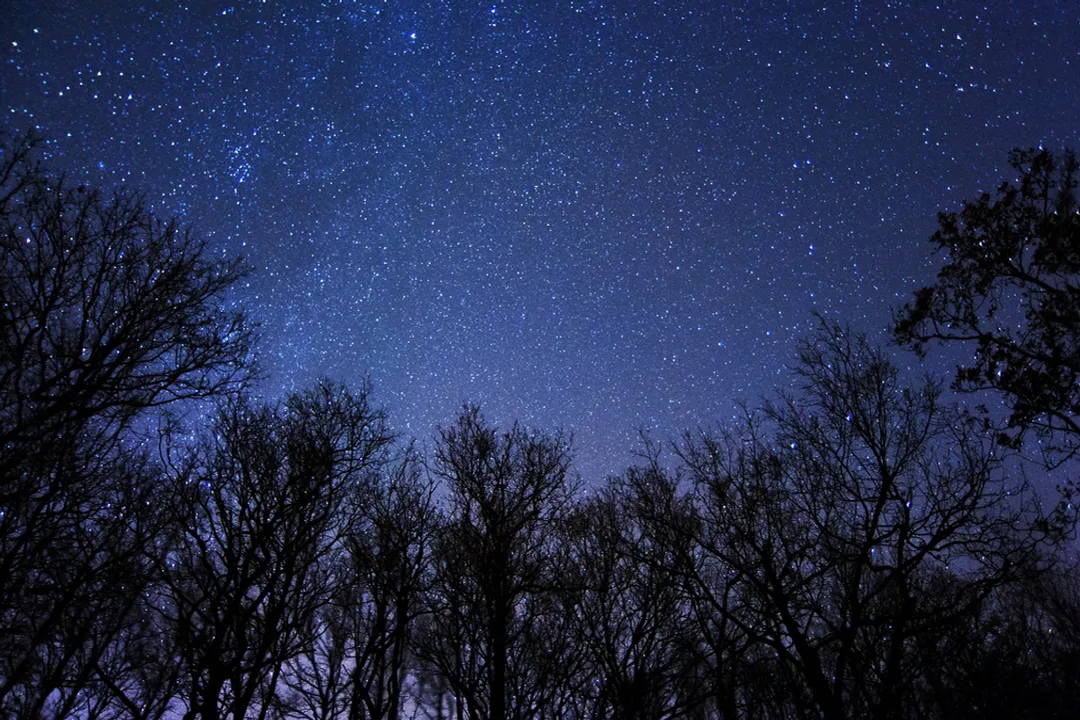
Since the fundamental answer to "How to see the Black Moon today?" is that you cannot observe the Moon itself because it is eclipsed by the Sun's glare, the focus must shift to taking advantage of the resulting darkness. The true benefit for skywatchers is the temporary absence of lunar light pollution.
This period of maximum darkness allows fainter celestial phenomena to become prominent. If you are in a location with low ambient light pollution, the Milky Way should be significantly more visible, potentially popping into sharper focus than during a brighter lunar period. Objects that usually appear dim or fuzzy, such as distant galaxies, faint nebulas, and the light trails of meteors (if a shower is active), become much better targets for both the naked eye and optical aid.
To prepare for this prime stargazing window, a practical approach involves tactical planning for the specific New Moon window. If the event is the August 23, 2025, Seasonal Black Moon, understanding the exact time of the New Moon—when the sky will be darkest—is crucial, as this time is dependent on your time zone. Knowing this peak darkness window allows you to plan your observation schedule around it. Moreover, seeking localized expertise can greatly enhance the experience. For instance, contacting a local astronomy club is highly recommended, as members often possess detailed local knowledge regarding the best dark-sky viewing sites away from city lights, and can suggest appropriate gear for observing faint objects.
# The Eclipse Caveat
There is one specific, dramatic exception where the New Moon is visible: during a solar eclipse. A solar eclipse occurs when the New Moon passes directly between the Earth and the Sun, causing the Moon to become visible as a perfect silhouette against the solar disk. While a Black Moon does not guarantee an eclipse, a total solar eclipse only happens during a New Moon. Therefore, if a Black Moon happens to coincide with the Moon passing directly across the Sun from our perspective, you would see a spectacular celestial alignment, though never the Moon's surface details without proper, specialized solar filters.
# Cultural Resonance
The term's appeal is not purely scientific; it has cultural and even spiritual significance for certain groups. Followers of some Pagan religions consider the night of the Black Moon to be a time when certain personal actions or rituals can be more potent. This connection to older traditions, combined with the modern naming convention popularized by media, keeps the term in public conversation, even if the actual celestial view remains the same as any other New Moon.
While the New Moon is invisible, the transition period immediately following it—the waxing crescent—is when the Moon begins to reappear, gaining light each evening as it moves toward the First Quarter phase. For those tracking the Black Moon event, the subsequent nights offer a gradual return of our familiar satellite, a bright contrast to the temporary, yet profound, darkness provided by the Black Moon itself. The core lesson of the Black Moon is that in astronomy, sometimes the most rewarding sight comes not from what is illuminated, but from the opportunity that total darkness provides for viewing everything else that the light normally obscures.
#Videos
A Black Moon Is Coming — See Why It's So Rare! - YouTube
Related Questions
#Citations
When Is the Next Black Moon? - Time and Date
What is the moon phase today? Lunar phases 2025 - Space
Black Moon in August: What it is, what it isn't, and how to 'see' it
What Is a Black Moon and When Is the Next One in 2025? - Star Walk
A Black Moon Is Coming — See Why It's So Rare! - YouTube