What did they find on the far side of the Moon?
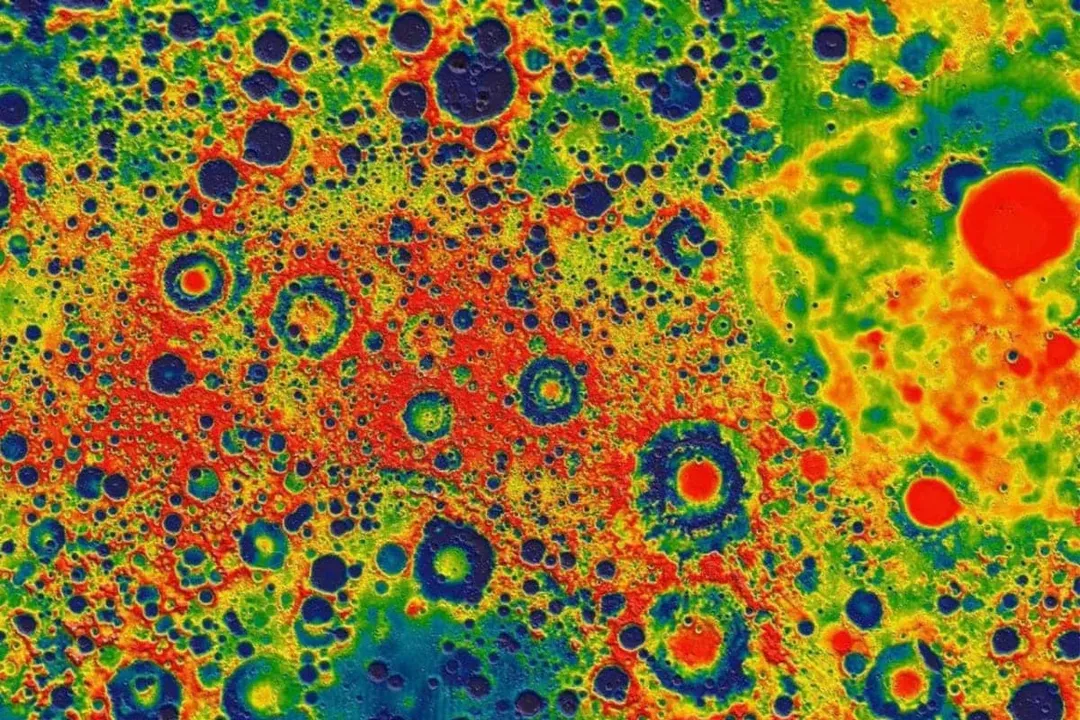
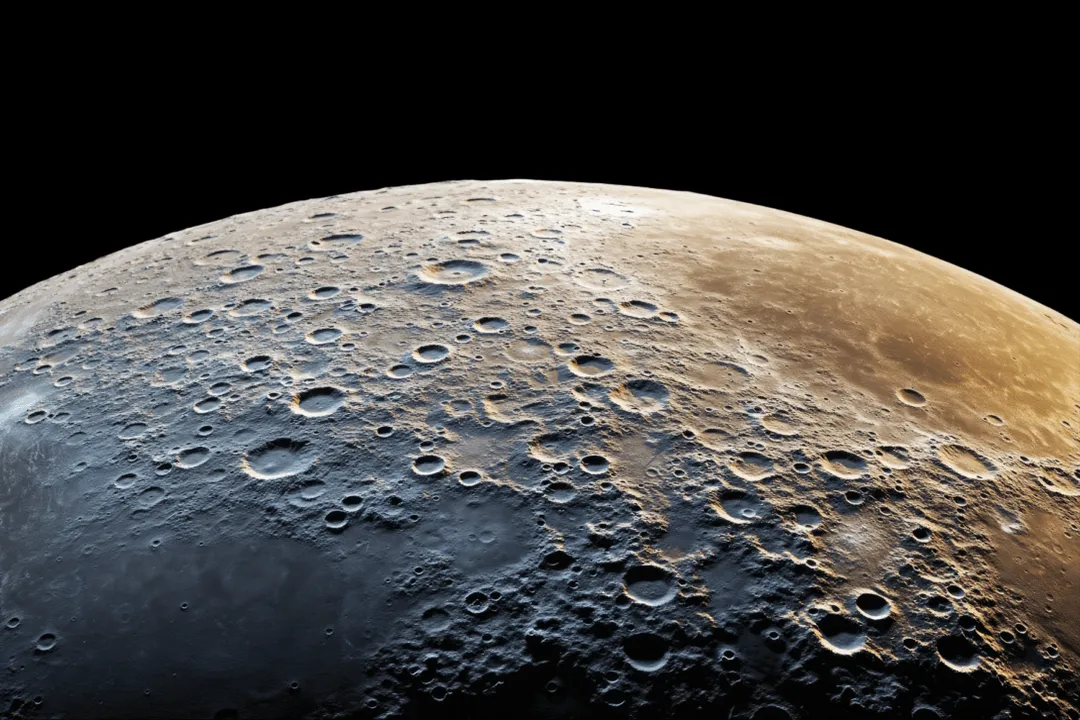
The other side of the Moon, perpetually turned away from Earth, has long been a zone of mystery, scarred by a vastly different geological history than the face we see every night. While the near side is dominated by large, dark maria—vast plains of ancient basaltic lava flows—the far side is heavily cratered and lacks these large basins. The recent successful sample-return and in-situ analysis missions, primarily led by China's Chang'e program, have started to lift the veil, revealing materials and subsurface characteristics that challenge previous assumptions about our closest celestial neighbor.
# Ancient Dust
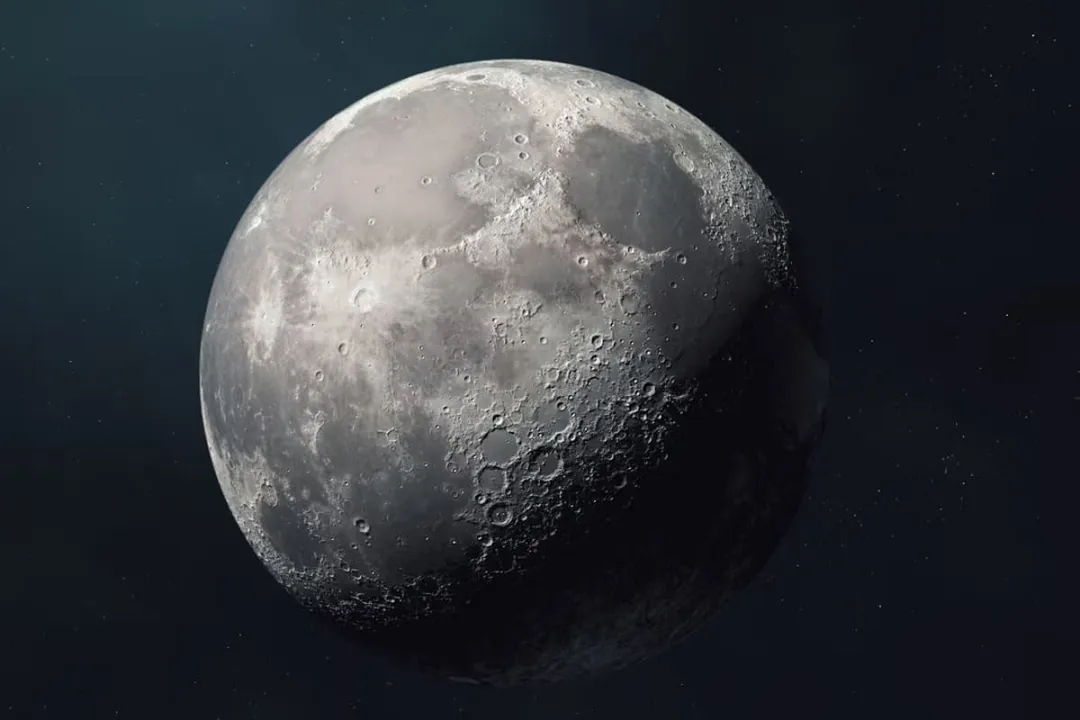
One of the most significant discoveries returned from the Moon’s far side is the identification of a specific type of primitive space rock embedded in the surface material: CI chondrite meteorite dust. These meteorites are particularly prized by planetary scientists because they are considered the most pristine and chemically unaltered building blocks of the early solar system, dating back over 4.5 billion years. Analyzing the composition of these materials offers a direct look at the primordial material from which the planets formed.
The dust collected by the Chang'e 5 mission, which targeted the Oceanus Procellarum region on the near side, has been the subject of intense study, but findings from the far side missions are adding crucial context. The presence of CI chondrite material on the far side suggests that this ancient, water-rich material bombarded the entire Moon relatively early in its history. What makes this finding particularly compelling is the possibility that this dust contains significant amounts of water.
When comparing the samples, one must consider the geological context. The near side’s vast lava plains effectively paved over much of the earlier impact record. On the far side, particularly in the massive South Pole-Aitken (SPA) basin, the surface appears much older and less modified by resurfacing events. Finding this primitive, potentially hydrated dust preserved on the far side, shielded by that older terrain, offers a starker chemical snapshot of the early bombardment period than might be available in the geologically 'younger' lavas of the near side. It implies that while the Moon as a whole received this material, the preservation mechanism—the lack of widespread volcanism—is different on the far hemisphere.
# Unexplained Heat
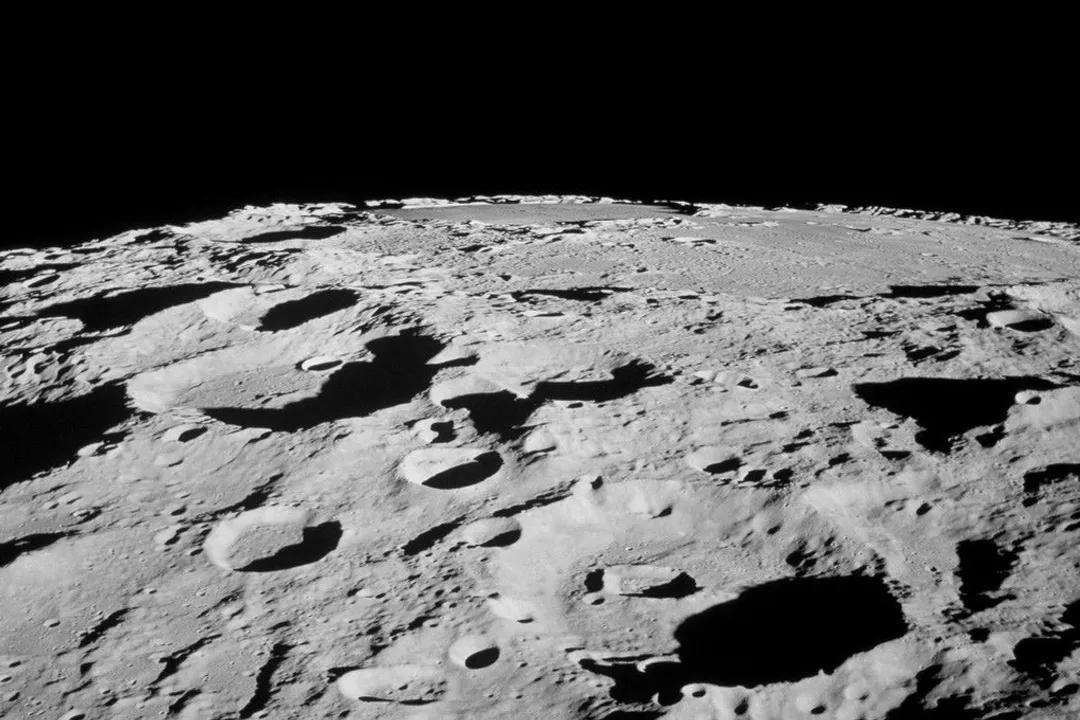
Beyond surface composition, in-situ measurements conducted by the Chang'e 4 lander, which touched down in the Von Kármán crater within the SPA basin, unveiled a surprising characteristic about the subsurface: a large, unexplained heat source near the surface. This detection was made using a lunar subsurface temperature measuring probe deployed by the lander.
The probe recorded temperature variations suggesting that the thermal conductivity—how efficiently heat moves through the material—was far lower than expected for lunar surface rock, particularly in the immediate subsurface layers. This anomaly pointed toward the existence of a significant heat flux originating from below, perhaps indicating residual heat from deeper mantle activity or a different subsurface structure than models predicted for that region. The measurements indicated that the ground temperature was notably higher than scientists had previously modeled for the area.
For engineers planning future habitats or resource extraction operations on the far side, this finding translates directly into a potential engineering challenge. If areas of the far side exhibit higher than anticipated geothermal gradients or surprisingly low thermal conductivity near the regolith, it affects decisions on where to land, how to establish stable foundations, and how to manage subsurface temperature regulation for any future crewed outpost or scientific station. The expected thermal profile of the Moon is crucial for everything from power systems to life support, and this anomaly suggests our models for the far side may need significant adjustment.
# Material Return
The successful return of samples is always a milestone, but the materials brought back by China's missions have proven to contain surprises that add complexity to the Moon's chemical story. While the specifics of every single "unexpected" finding are often held close by the respective space agencies until peer-reviewed publication, the discovery of the CI chondrite dust itself fits the description of an unexpected chemical signature being confirmed via sample analysis.
When looking at the overall findings—primitive, water-bearing dust alongside evidence of deeper thermal anomalies—a clearer, yet more complex, picture of the far side emerges. It is not just a heavily cratered, dry rock face; it is a region that retains more chemical memory of the early solar system and perhaps holds internal thermal characteristics different from the near side.
| Discovery | Location/Mission | Significance | Primary Implication |
|---|---|---|---|
| CI Chondrite Dust | Far Side (Implied/General) | Primitive solar system material, potential water carrier | Understanding early solar nebula chemistry |
| Low Thermal Conductivity/Heat Flux | Von Kármán Crater (Chang'e 4) | Subsurface temperatures higher than expected | Affects thermal modeling and future base construction |
| Unexpected Return Material | Far Side Sample Return | Confirms distinct chemical/mineralogical samples retrieved | Validates remote sensing interpretations with physical proof |
It is important to note that space exploration often involves unexpected events, such as the capture of large impact flashes when an object strikes the Moon. While such events provide valuable data on the frequency of impacts and the composition of the impacting body, the findings discussed here relate to the in-situ analysis and sample return from long-duration landers, offering a much richer, chemical and thermal understanding of the underlying geology.
# Refining Lunar Models
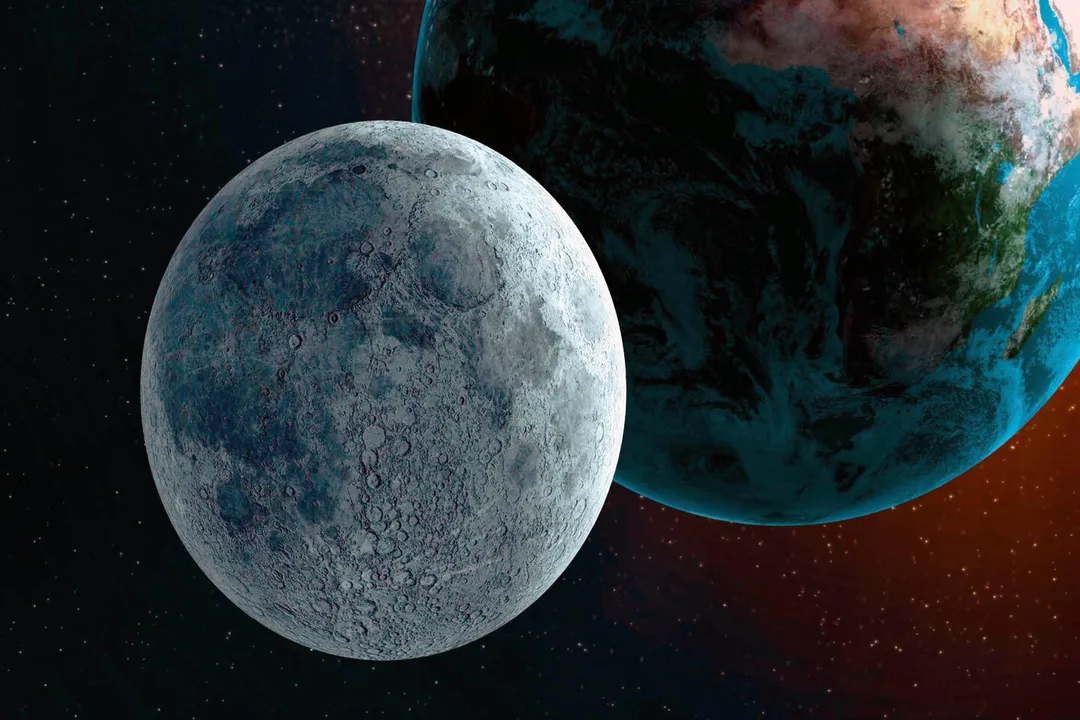
The data gathered from the far side forces scientists to refine their understanding of lunar differentiation and impact mechanics. For instance, the high concentration or preservation of CI chondrites on the far side might be linked to the sheer depth and age of the SPA basin impact, which excavated deep crustal material, or perhaps a less effective sweeping action by later, larger impacts compared to the near side.
Furthermore, consider the implications of the heat flux data in the context of the Moon's overall thermal evolution. If the far side, particularly within a massive impact structure like the SPA basin, retains a hotter subsurface layer, it suggests that the Moon's interior cooling rate may be spatially variable or that the impact event itself somehow insulated or concentrated heat locally. This contrasts with older models that often treated the Moon as a relatively uniform thermal body once its major volcanic phases ceased. These specific, on-the-ground measurements provide the empirical evidence needed to move beyond generalized models. The scientific process benefits immensely when direct measurements, like those from the Chang'e probes, confirm or contradict remote sensing observations, allowing for the development of more precise geophysical simulations. The far side is proving to be a better natural laboratory for early solar system chemistry than previously thought, simply because it has been less geologically modified by the processes that reshaped the near side.
#Videos
What China Found on The Moon - YouTube
Related Questions
#Citations
China discovers something never seen before on Moon's far side
China Found Something Fascinating on the Far Side of the Moon
Something Just Crashed Into The Moon – And Astronomers ...
China Brought Something Unexpected Back From The Far Side of ...
What China Found on The Moon - YouTube
Giant unexplained heat source detected on the Moon's far side ...
China Discovers Something Completely Unexpected on the Moon's ...
China Found Something Fascinating on the Far Side of the Moon