What spectral feature differentiates Type I from Type II supernovae?
Presence or absence of hydrogen lines.
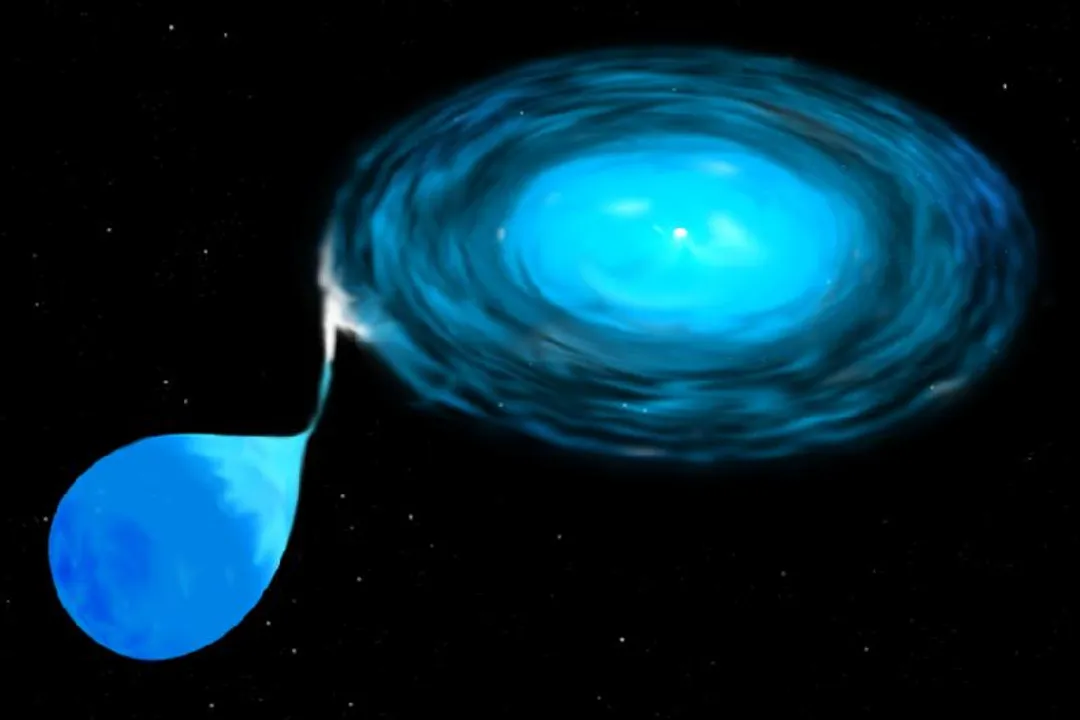
The initial, foundational split between the two main categories of supernovae, Type I and Type II, relies entirely on observational spectroscopy of the light emitted during the explosion. If the resulting spectrum displays distinct spectral lines corresponding to hydrogen, the explosion is categorized as a Type II supernova, typically indicating the death of a massive single star. Conversely, if the spectrum completely lacks these hydrogen signatures, it is classified as a Type I supernova. This spectral distinction immediately guides researchers toward understanding the nature of the progenitor star and the specific physical process—either thermonuclear detonation or core collapse—that triggered the stellar demise.