What is the remnant of a supernova called?
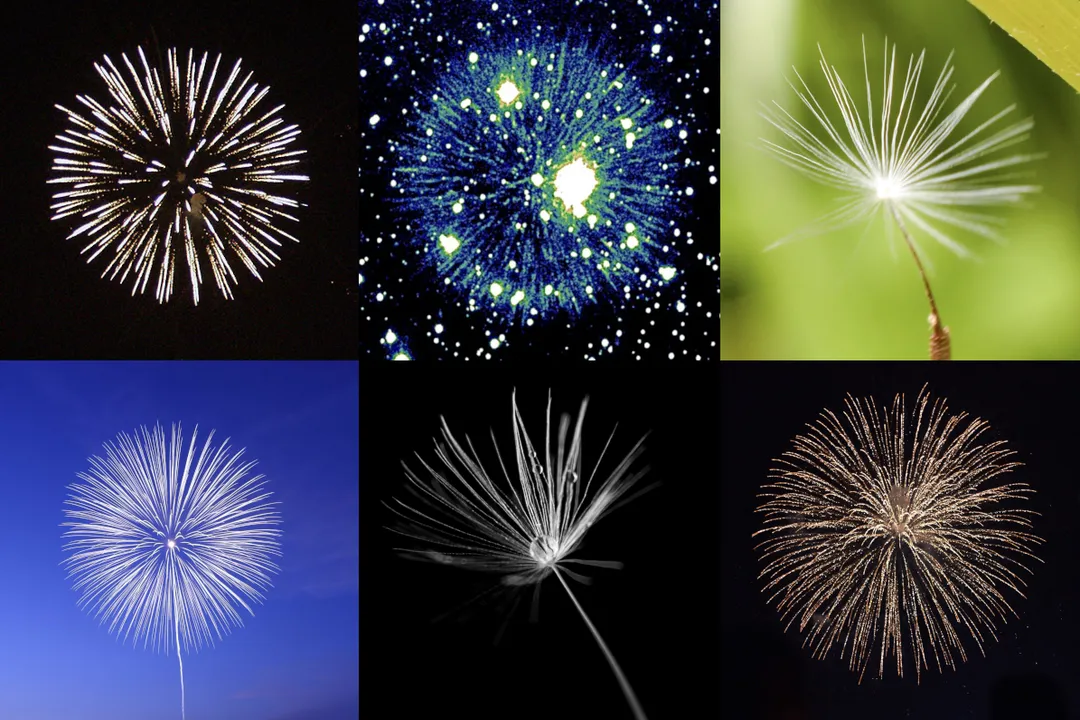
The remnants left behind after a massive star exhausts its fuel and explodes are formally known as supernova remnants. These spectacular structures are not mere dust clouds; they are the dynamic, expanding frontiers where the violent death of a star meets the cold, relatively sparse material filling the space between the stars, known as the interstellar medium (ISM). When a star—particularly a massive one—reaches the end of its life, it collapses and then rebounds in a spectacular explosion, the supernova. What we observe afterward is the expanding shell of ejected stellar material mixed with the surrounding interstellar gas and dust that the shockwave has slammed into.
# Stellar Aftermath
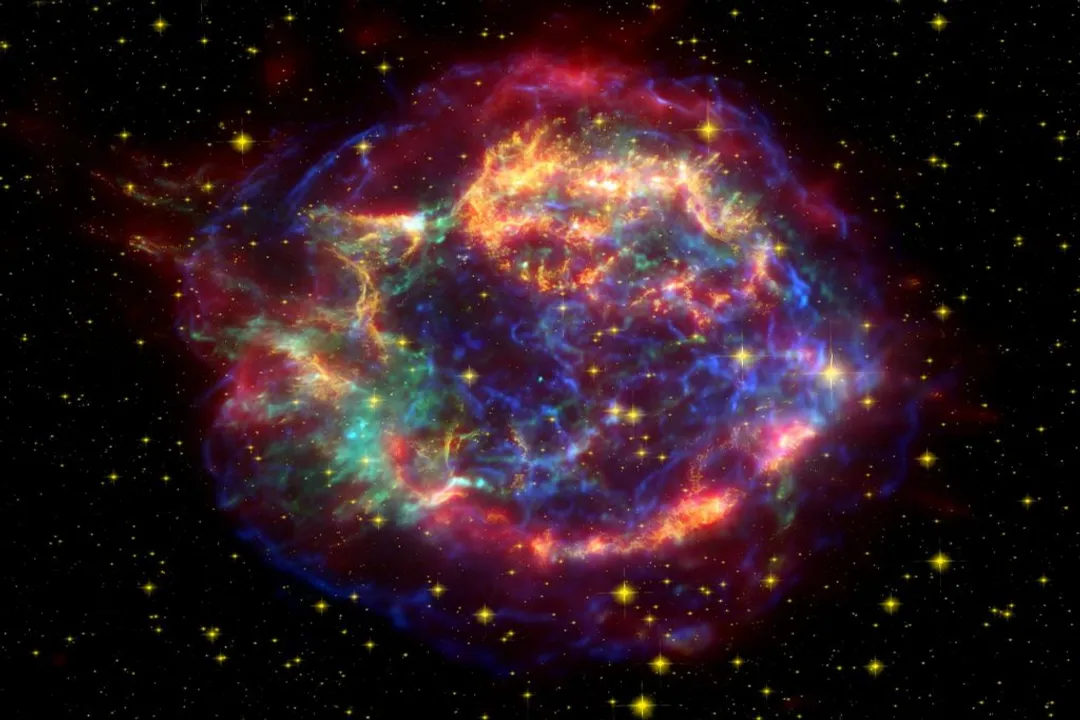
A supernova remnant is essentially a massive, expanding nebula, though its formation process is far more energetic than that of a typical star-forming nebula. The initial explosion flings stellar guts outward at incredible velocities, sometimes reaching tens of thousands of kilometers per second. This ejected material carries elements forged inside the star over billions of years—including elements heavier than iron—scattering them across the galaxy. In essence, these remnants are the universe's recycling centers, enriching subsequent generations of stars and planets with the raw materials necessary for complexity.
The remnants can be incredibly large, often spanning many light-years across, and they continue to grow, albeit at a slower rate, over thousands of years. The observable structure is not static; it is a phase of rapid evolution driven by the initial blast wave. Understanding these remnants gives astronomers clues about the progenitor star, the mechanism of the explosion itself, and the physical conditions of the local interstellar environment where the event took place. They are critical cosmic laboratories for studying high-energy astrophysics because they contain matter moving at relativistic speeds and exhibit strong emission across the electromagnetic spectrum.
# Explosive Sculpting
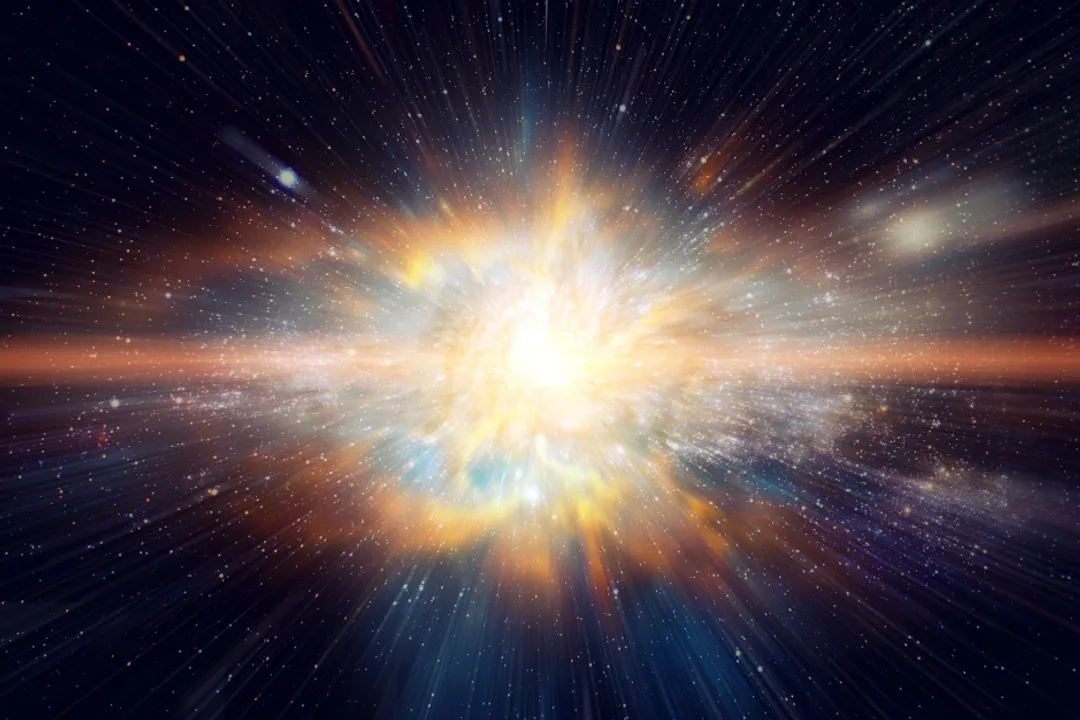
The process by which a supernova remnant forms involves a massive shockwave propagating outward through the ISM. Immediately after the explosion, the ejected material moves so fast that it has not yet significantly mixed with the ambient interstellar gas. This initial, very hot, high-velocity phase is known as the free expansion phase. However, this phase is brief on a cosmic timescale.
As the expanding bubble of superheated gas and debris slams into the denser pockets of gas and dust already present in the ISM, a powerful shockwave forms. This interaction causes the matter to slow down dramatically, compressing and heating the interstellar material it encounters. The remnant evolves through distinct stages: the free expansion phase, followed by the sedov phase (or adiabatic phase), where the remnant is nearly self-similar, and finally, the radiative phase, where the gas cools enough to radiate away energy efficiently, allowing the shockwave to slow further. A study of the deceleration over time, perhaps tracking the expansion rate decrease from an initial velocity of down to perhaps or less as it sweeps up more mass, reveals the history of its interaction with its surroundings. This sweeping action is what gives the remnant its observable structure, often appearing as an expanding shell.
# Cosmic Clouds
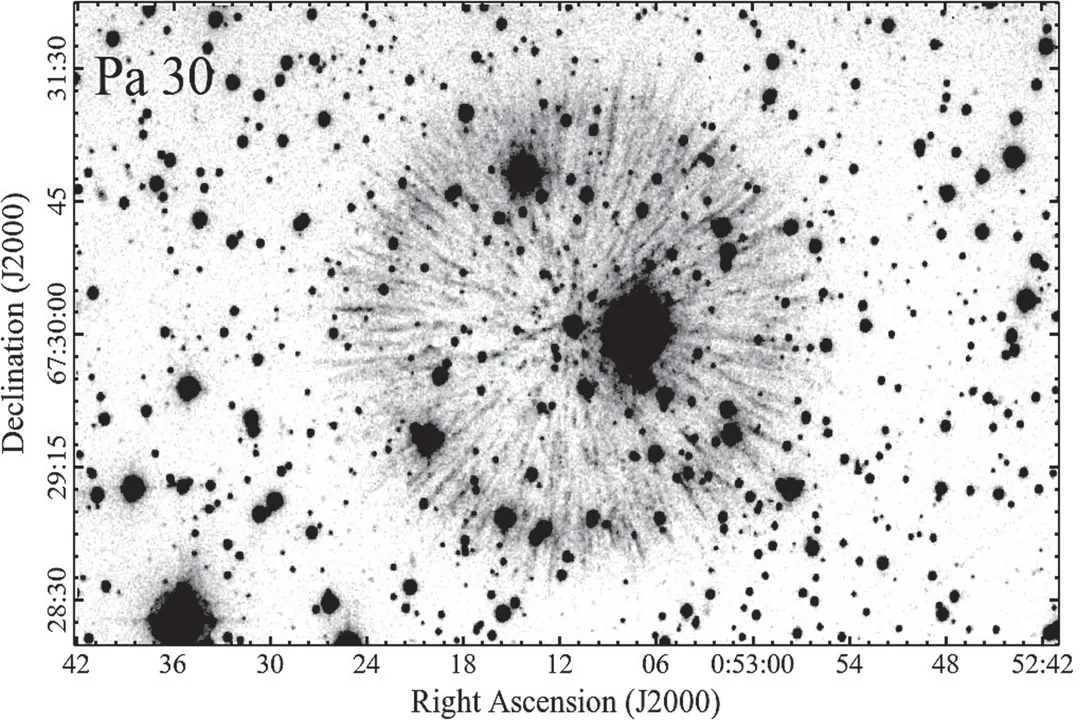
Supernova remnants are luminous objects, though not always visible in the optical spectrum to the naked eye. They are observable across a wide range of electromagnetic radiation because the gas within them is highly energized. The intense shockwaves heat the material to millions of degrees, causing it to glow brightly in X-rays. Furthermore, magnetic fields interacting with the high-energy particles accelerated by the shockwaves cause the remnant to be a strong source of radio waves. Visually, they often appear as intricate, wispy structures, frequently called nebulae, but their structure is dictated by the shock front rather than by gentle star formation processes.
When considering the composition, it's vital to remember that the bulk of the visible remnant material is not just the original star's outer layers. As the remnant ages, the amount of swept-up interstellar material—the gas and dust already present in the galaxy—begins to dominate the mass of the remnant itself. The original stellar ejecta, though chemically rich, makes up a smaller fraction of the total mass in older remnants. For instance, a relatively young remnant might be dominated by ejecta, while a middle-aged one is mostly compressed ISM material being heated by the blast wave. This transition in mass dominance marks a significant change in the physics governing the remnant's expansion and emission profile.
# Morphological Classes
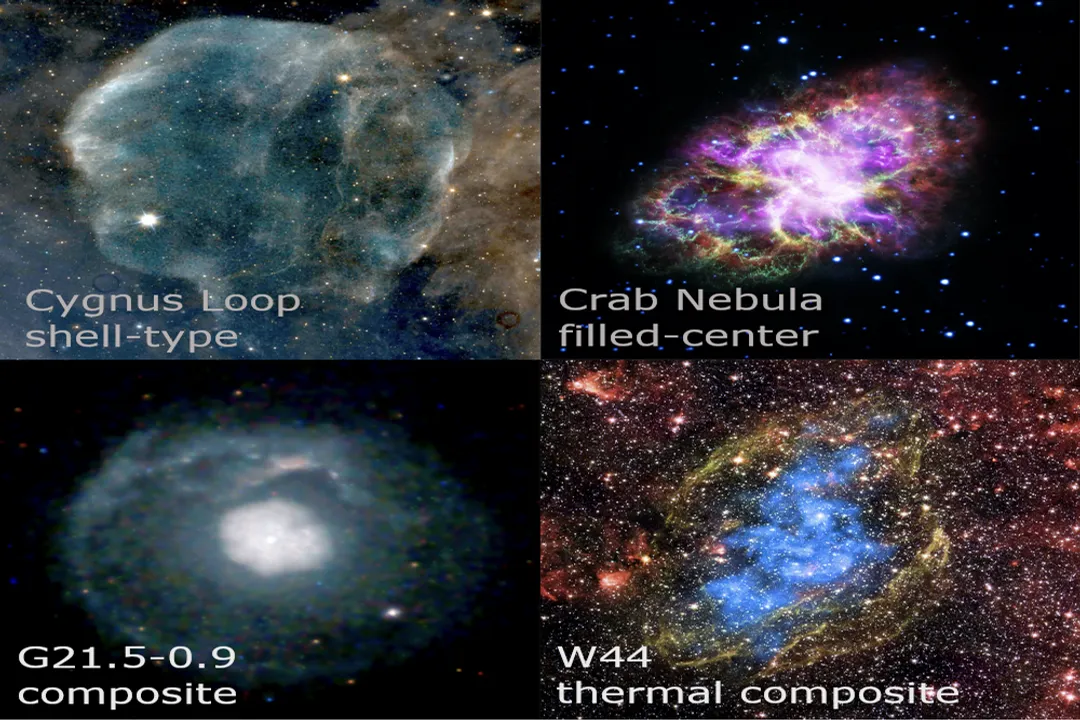
Astronomers classify supernova remnants based on their overall shape and the nature of the shock interaction, which in turn depends heavily on the density of the surrounding ISM and whether a compact object was left behind.
One common classification is based on morphology. A shell-type remnant is characterized by a distinct, thin shell of compressed material. Many remnants appear this way, especially in radio wavelengths, as the shockwave interacts uniformly with a relatively uniform surrounding medium.
Another classification involves composite objects. A composite supernova remnant is one that contains both a shell structure and a central pulsar wind nebula (PWN), which is powered by the high-speed rotation of a newly formed neutron star. This indicates that the central engine—the collapsed core of the star—is still active and influencing the gas structure within the remnant.
Not all remnants are perfectly spherical. The remnant of Cassiopeia A, for example, is famously lopsided. This asymmetry is a direct signature of the environment the progenitor star lived in. If the star had formed within a dense, uneven cloud, or if it was part of a binary system where one star ejected material onto the other, the resulting explosion's blast wave would interact with this non-uniform material differently on opposite sides. Examining this lopsided structure provides direct, tangible evidence about the physical state of the cloud the massive star was born into, an insight that cannot be easily gathered otherwise.
Here is a simplified way to categorize the primary types based on their dominant interaction:
| Remnant Type | Dominant Feature | Key Driver of Structure |
|---|---|---|
| Young/Free Expansion | Blast wave advancing supersonically into near-vacuum | Ejecta velocity and inertia |
| Sedov-Taylor | Thick, expanding shell of hot, turbulent gas | Energy conservation within the shockwave |
| Radiative | Gas cools, shock slows significantly, visible shell forms | Efficient energy loss via radiation |
| Composite | Shell structure plus a distinct central pulsar nebula | Interaction with ISM and central neutron star activity |
# Stellar Legacy
The ultimate fate of the central object of the supernova dictates what the remnant will look like over vast timescales. If the progenitor star was massive enough, its core collapses into either a neutron star or, if it was sufficiently massive, a black hole. If a neutron star forms, it often spins rapidly and possesses a powerful magnetic field, generating a pulsar—a highly regular source of electromagnetic radiation. This pulsar can power the central nebula within the remnant.
However, not all supernovae leave a corpse behind. If the progenitor star's mass falls into a specific intermediate range, the collapse can be so complete that the core entirely disappears without leaving a detectable neutron star or black hole, resulting in a core-collapse supernova with no remnant. This scenario happens when the explosion energy is high enough to completely eject all the star's material, or perhaps the resulting black hole is too faint or obscured to be easily detected against the background. Differentiating between an unobservable remnant and a case where no compact object exists is a major challenge in astrophysics, often relying on long-term X-ray monitoring to see if the shell continues to expand without any central engine influencing it.
A common misconception is that the expansion halts quickly. In reality, the shock will propagate outward for tens of thousands of years, slowly sweeping up more and more interstellar material until the remnant's density drops to match the surrounding ISM, at which point it effectively dissipates and merges back into the general galactic medium. The speed at which this happens depends entirely on the initial explosion energy and the density of the surrounding cosmic "fog". The visible remnant is merely a temporary, albeit spectacular, phase in the life cycle of galactic matter.
# Observing the Edge
The remnants represent one of the most energetic phenomena in the universe, second only to gamma-ray bursts in some contexts. Due to the extreme energies involved, they are key targets for high-energy observatories. Analyzing the spectra of the light emitted by the remnant allows scientists to determine the elemental abundances of the ejected material, providing a direct census of what the star manufactured during its lifetime. For example, the abundance of certain heavy elements like silicon or sulfur, mapped across the shell, can reveal clues about asymmetries in the explosion mechanism itself. By tracking the shock front's position over several years—an almost impossible feat without precise cataloging—one can refine models of shock physics in extreme conditions, which is often difficult to replicate in terrestrial laboratories. For instance, tracking the expansion of a known remnant over decades allows researchers to plot an observational deceleration curve, confirming theoretical predictions about the viscous drag exerted by the ISM on the expanding blast wave. This persistence of evidence over long periods is what makes supernova remnants such valuable astronomical archives.
#Videos
What Is A Supernova Remnant (SNR)? - Physics Frontier - YouTube
Related Questions
#Citations
Supernova Remnants - Imagine the Universe!
So You Think You Know What Supernova Remnants Look Like …
Supernova remnant | Astronomy, Physics & Formation | Britannica
Supernova remnant Facts for Kids
Supernova Remnant Facts - The Planets - ThePlanets.org
Supernova remnant morphology. - NASA/ADS
Supernova Remnant Cassiopeia A is Lopsided - Universe Today
Supernova Remnant Type | COSMOS
What Is A Supernova Remnant (SNR)? - Physics Frontier - YouTube