What process, rooted in the Nebular Hypothesis, creates planetesimals from microscopic dust and pebbles?
Answer
The initial attraction of microscopic particles leading to clumping
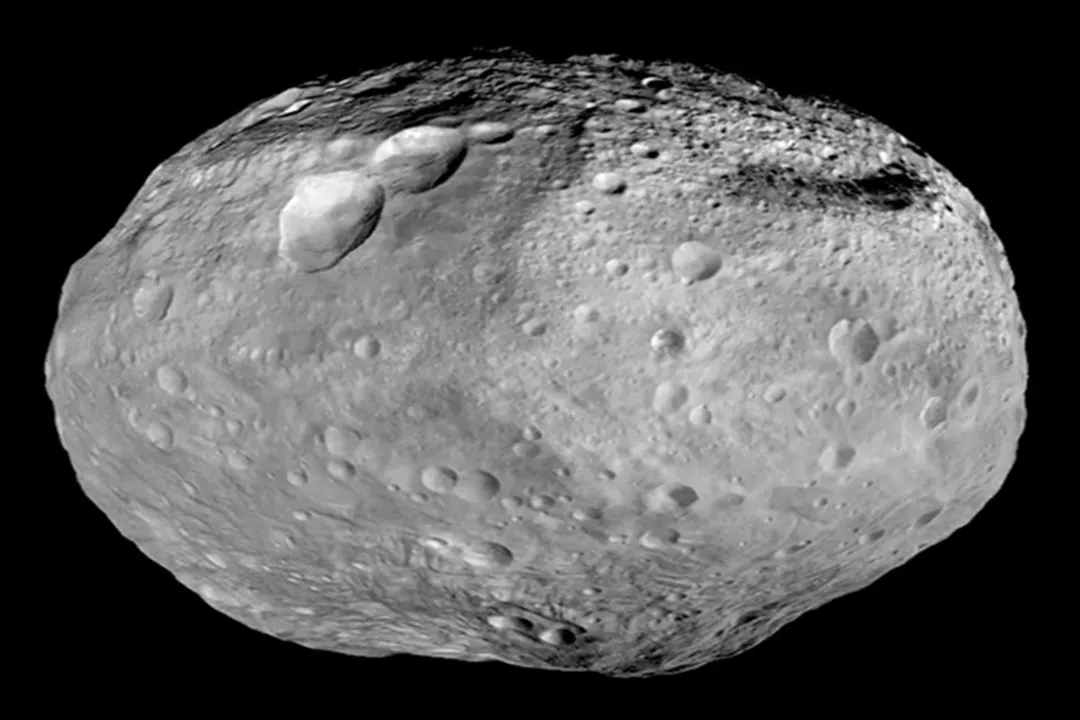
The formation process begins within the solar nebula, which collapses into a disk around the central proto-Sun. The initial growth stage involves microscopic particles attracting each other through weak forces, akin to static cling. These particles gradually aggregate into pebbles, and then larger clumps. Once these aggregates attain a size of several kilometers across, they cease to be merely debris and are formally classified as planetesimals. This process establishes the dense population of bodies that will later engage in gravitational accretion.
Related Questions
What specifically governs the growth of a protoplanet, distinguishing it from earlier planetesimals?What term describes the chaotic state where a few massive protoplanets dominate available material in a disk region?What critical element allows outer solar system protoplanet cores to evolve into gas giants like Jupiter?What evidence suggests the Moon formed from a final, violent impact involving Earth and another large protoplanet?What state must a massive, round protoplanet achieve to officially graduate to the classification of a Planet?What process, rooted in the Nebular Hypothesis, creates planetesimals from microscopic dust and pebbles?Why did protoplanets in the inner solar system experience slower growth rates compared to those beyond the frost line?What is the fate of an outer system protoplanet core that fails to capture a massive gaseous envelope before the gas disappears?What structural characteristic do both a mature protoplanet and a planet share, differentiating them from smaller planetesimals?How is Ceres considered a 'protoplanetary core' whose growth was arrested within the asteroid belt region?