What physical risks associated with long-duration exposure did the crew face during a potential six-month-plus stay?
Answer
Bone density loss, muscle atrophy, and cardiovascular deconditioning
Being in orbit for a period stretching toward six months or more subjects the bodies to the physical risks associated with long-duration exposure, such as bone density loss, muscle atrophy, and cardiovascular deconditioning.
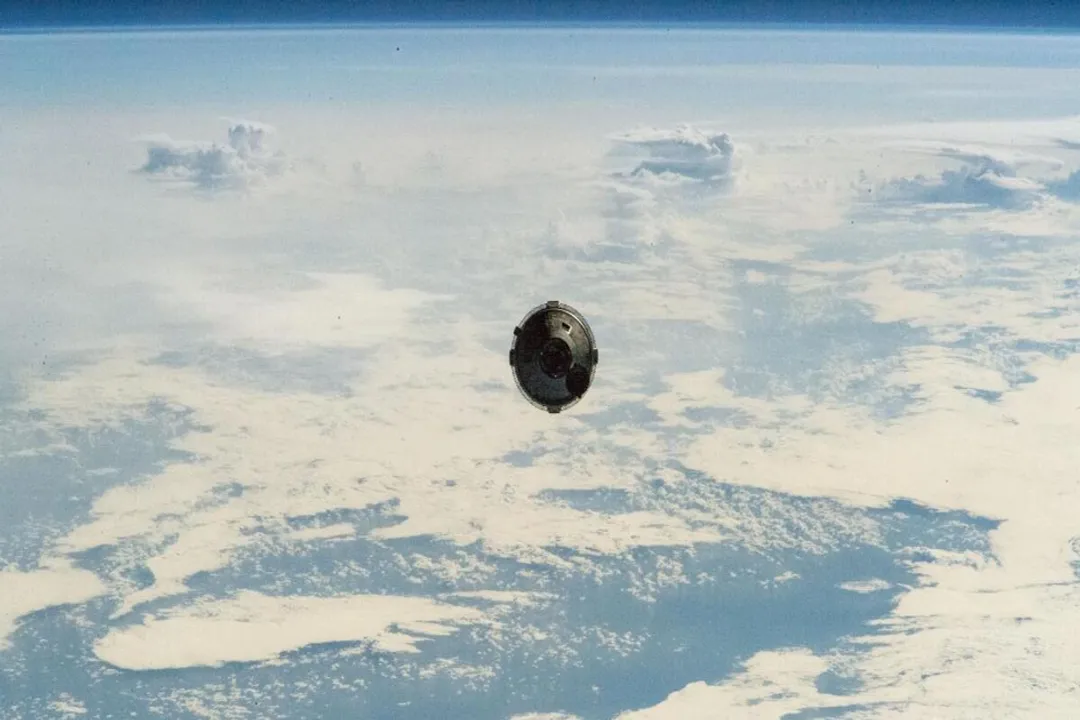
#Videos
Boeing's Starliner astronauts could be in space until 2025 - YouTube
Related Questions
What did the anomalies during flight tests immediately test regarding astronaut survivability?What was the longest potential duration astronauts faced during an extended stay projection?What crucial action did NASA opt for during one flight when faced with in-flight challenges?What specific capability did NASA elect to test by returning the Starliner spacecraft solo?What does the calculation allowing an eight-month potential crew stay imply about the initial docking phase?What secondary factor is critical for sustaining scrubbers during a potential eight-month stay, besides the scrubbers themselves?According to the Editor's Insight, what does a successful 8-month flight primarily prove?If the onboard crew had to manually manage systems during an extended period, what specifically does a subsequent uncrewed, autopilot-only return validate?What physical risks associated with long-duration exposure did the crew face during a potential six-month-plus stay?Why did NASA decide to fly the next Starliner mission without a crew following the anomaly flight?How did astronauts describe their situation while effectively "stuck" aboard the capsule?