What is the massive long-term budgetary implication if agencies secure reliable transport for substantially less money per astronaut?
Answer
It enables greater long-term sustainability for continuous human spaceflight presence.
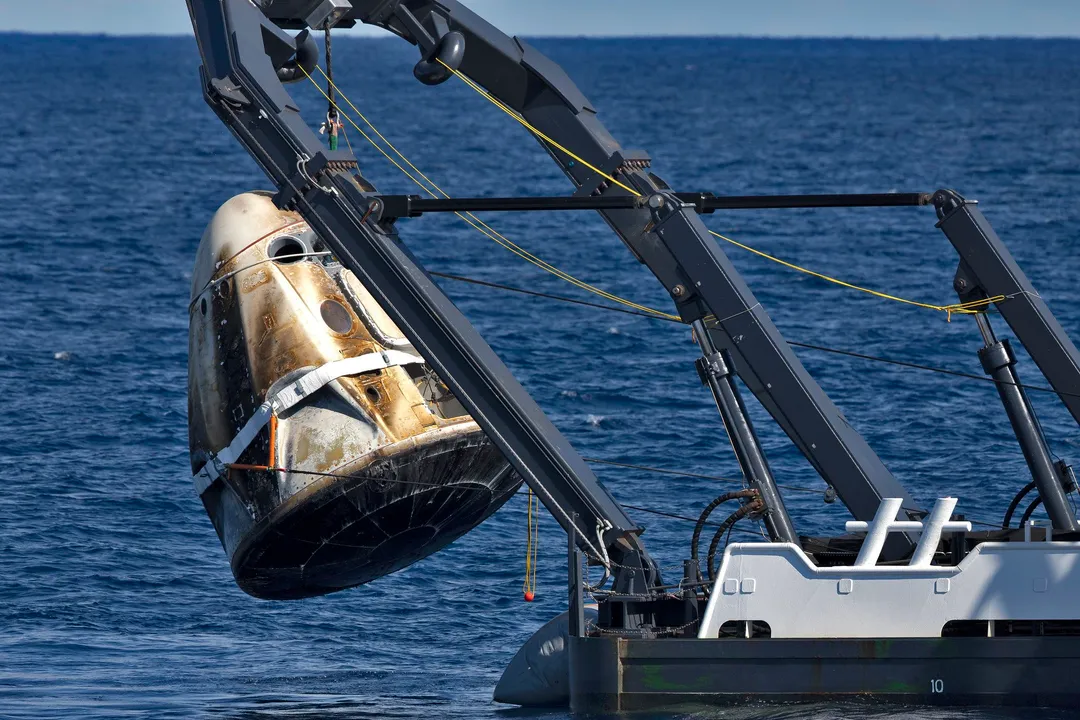
The ability for agencies or commercial entities to secure human spaceflight access at a substantially reduced cost per astronaut has profound implications for the future funding and continuation of space exploration efforts. When the cost per kilogram to orbit—a key metric for sustainability—is driven down by reusable hardware, it alleviates significant budgetary constraints. This cost reduction allows for greater budgetary flexibility, enabling agencies to support a more continuous and robust human presence in space over the long term, as the economic barrier to access is lowered considerably compared to legacy pricing models.
Related Questions
What was the most cited figure for a single NASA seat aboard a Soyuz mission following the Space Shuttle retirement?What inherent lack of reusability in the crew segment significantly raises the recurring Soyuz cost per flight?Which American commercial crew vehicle began regular operations around 2020, marking the end of exclusive Soyuz reliance?What component system sometimes approached the price of a single Soyuz crew seat in certain analyses?How did the early commercial Crew Dragon per-seat price generally compare to the established Soyuz rate of $80 million?What services were encapsulated within the $80 million fee NASA paid for a Soyuz seat?Following the retirement of the Space Shuttle program in 2011, approximately how long did NASA rely on Soyuz for crew transport?The consistent pricing of the Soyuz program reflects an amortization schedule based on what key historical factor?How does the philosophy behind newer commercial vehicles contrast with the largely expendable Soyuz operational model?What is the massive long-term budgetary implication if agencies secure reliable transport for substantially less money per astronaut?