How much does Soyuz cost per seat?
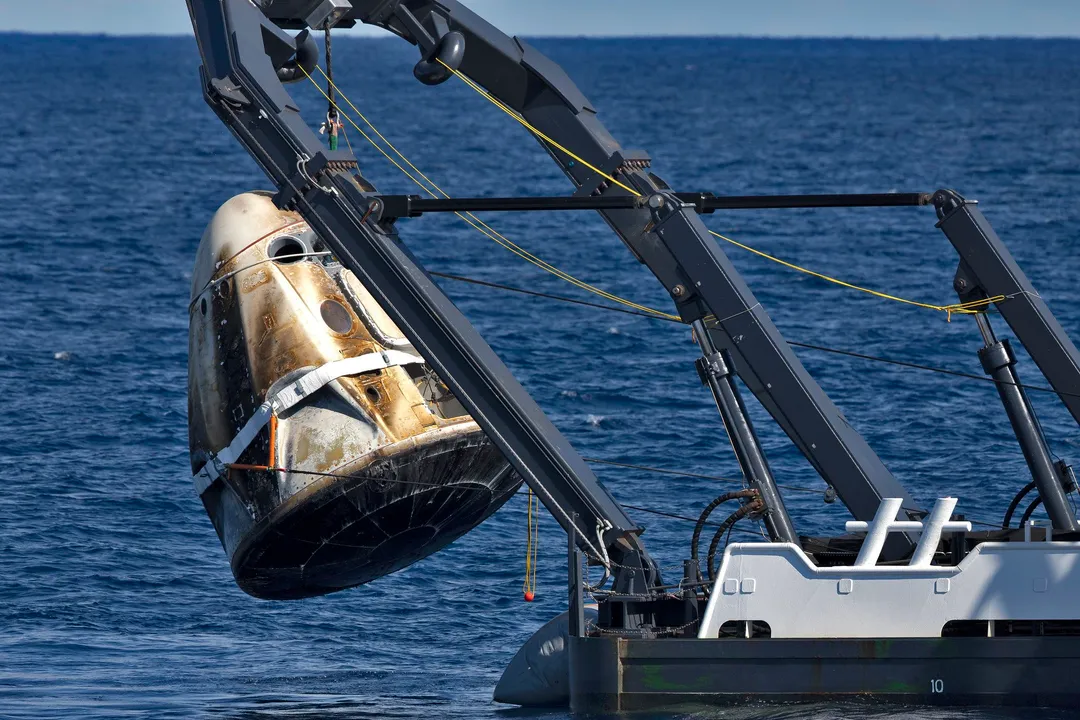
The price tag for a seat aboard the venerable Russian Soyuz spacecraft has long been a topic of discussion among space enthusiasts and industry observers, especially as commercial alternatives began to take shape. For years, the cost represented the standard rate for guaranteed access to the International Space Station (ISS) following the retirement of the Space Shuttle program. [2][3] The most commonly cited figure for a single NASA seat on a Soyuz mission hovered around $80 million. [1][6] This figure wasn't a simple ticket price; it encapsulated a complex agreement between NASA and Roscosmos, covering training, launch services, and operational support for U.S. astronauts traveling to low Earth orbit. [2]
# Historical Rates
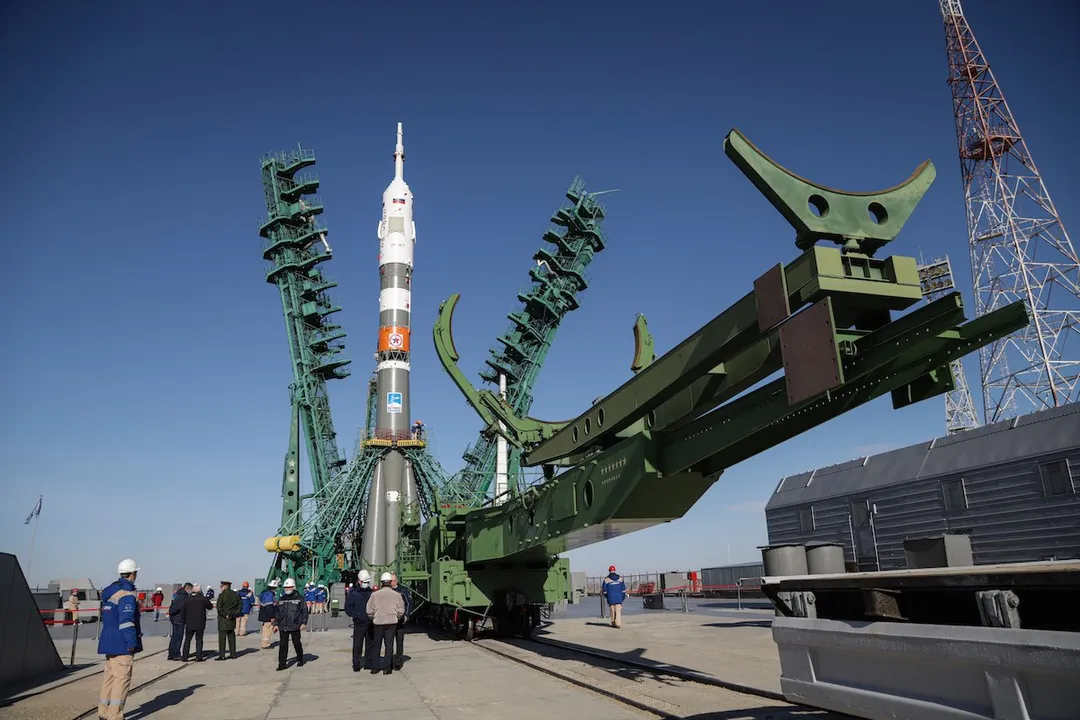
This $80 million figure stands as a key benchmark when discussing crew transportation costs to the ISS during the post-Shuttle era. When comparing historical purchases, this established rate was what the United States paid the Russian space agency for the right to send one of its astronauts up on a Soyuz MS vehicle. [1][6] This dependency meant that for nearly a decade, NASA relied on Russian rockets to ferry its personnel to orbit after 2011. [3]
The situation surrounding the final purchases highlights the transition. By 2020, NASA was utilizing its last pre-purchased Soyuz seats as their own commercial crew vehicle, SpaceX's Crew Dragon, began regular operations. [2][3] The successful transition marked the end of an era where a single nation held the exclusive lifeline to the orbiting laboratory for the entire international crew. [3]
# Program Expenses
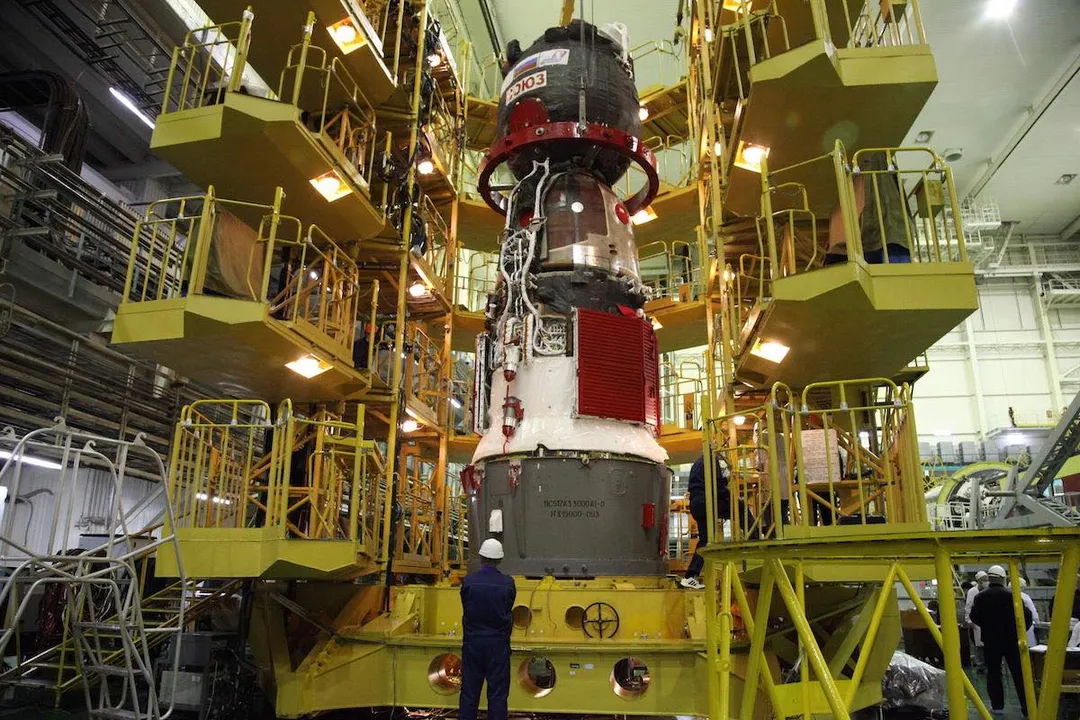
Understanding why the per-seat cost reached the $80 million mark requires looking beyond the immediate launch. One fascinating point of comparison arises when considering the cost structure of the entire Soyuz system itself. In some analyses, it has been noted that the cost of the entire Soyuz crew vehicle and its accompanying Progress cargo counterpart seemed to approach, or sometimes even equal, the price of a single crew seat. [7] If a full, non-reusable vehicle system costs a similar amount to a single seat, it suggests that the vast majority of the expense was tied up not just in fuel and manufacturing the specific flight hardware, but in supporting the entire ground infrastructure, research, and operational chain required to maintain that capability over decades. [7]
This contrasts sharply with the philosophy behind newer, commercially driven vehicles. While the Soyuz system is known for its reliability and decades of proven service—a testament to its engineering—it operates on a largely expendable model for the crew capsule portion. [7] Each time a crew launched, the entire Soyuz descent module, which carries the cosmonauts back to Earth, was discarded, requiring a brand-new module for the next flight. This inherent lack of reusability in the crew segment contributes significantly to the high recurring cost per flight, which then gets distributed across the few available seats. [7]
# Commercial Contrast
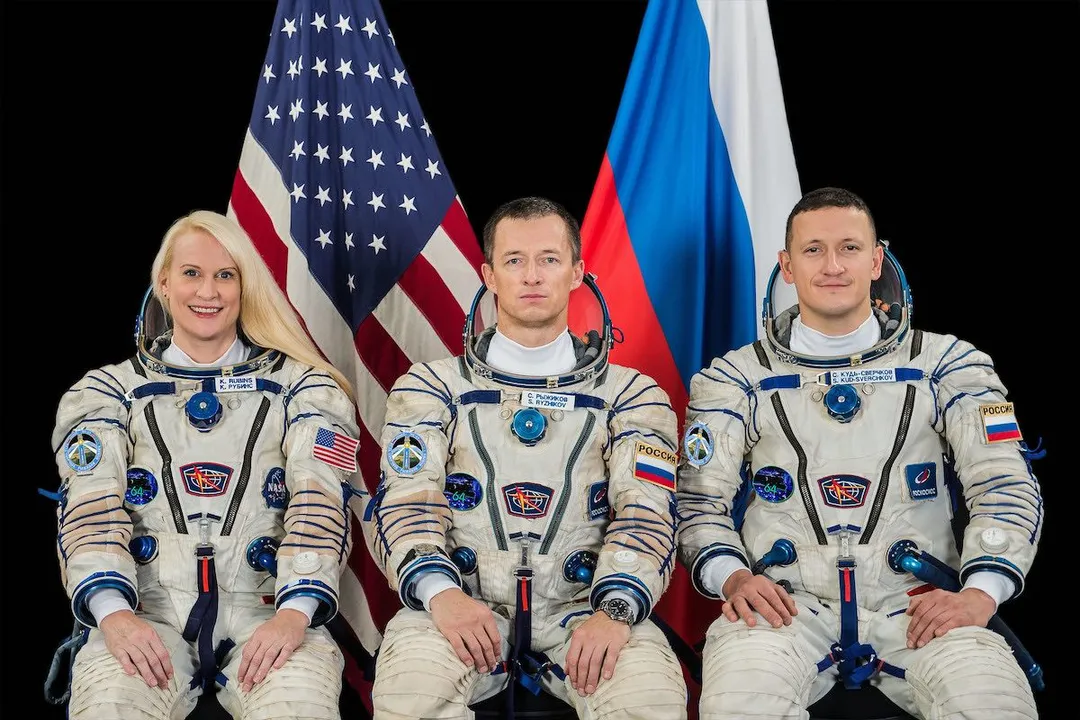
The rise of American commercial crew providers fundamentally altered the cost landscape. SpaceX, with its reusable Crew Dragon capsule and Falcon 9 booster, introduced a model aiming for significantly lower marginal costs. [6] While early commercial prices are often complex due to initial development costs absorbed by government contracts, the per-seat cost for SpaceX services quickly undercut the established Soyuz rate. [6]
For instance, in the comparison between the two transportation systems, figures frequently placed the older Soyuz rate around \80 million [^6]. The early commercial pricing structure for Crew Dragon, though subject to change based on the specific NASA contract or future commercial customer, generally positioned itself in a range substantially lower than the Soyuz figure, often cited closer to \50 million or less for later flights, particularly when comparing the operational costs. [6]
| Transportation System | Approximate Per-Seat Cost (Historical/Reference) | Key Factor |
|---|---|---|
| Soyuz (NASA Purchase) | ~ $80 Million [1][6] | Non-reusable crew capsule; long-standing international agreement. |
| Crew Dragon (Initial Commercial) | ~$55 Million or less [6] | High degree of reusability in both booster and capsule. |
The economic reality of this shift is clear: if an agency or commercial entity can secure reliable transport for substantially less money per astronaut, the long-term budgetary implications for maintaining a continuous presence in space are massive. [6] The long-term sustainability of human spaceflight often hinges on driving down the cost per kilogram to orbit, and the introduction of reusable hardware directly addresses that metric, putting downward pressure on all legacy pricing structures.
# Program Longevity
It is important to remember that the pricing structure paid by NASA reflected more than just the hardware for that single mission. It reflected the cost of maintaining a highly specialized, government-managed space program that had been running for decades. [7] The training pipeline for cosmonauts and ground crews, the development cycles, and the sheer operational cadence required for regular launches all contributed to the final invoice. [7]
When one considers the development costs of the Soyuz program itself—a system that began service in the 1960s and has seen numerous upgrades—the consistent pricing reflects an amortization schedule that was designed for a stable, state-supported enterprise, not necessarily a purely market-driven one. Any attempt to lower the price drastically would have required rewriting decades of established international agreements and internal budgetary processes for Roscosmos. [7] The fact that NASA continued to purchase seats, even as Crew Dragon was coming online, suggests that the reliability and guaranteed access provided by Soyuz held a significant, if costly, premium. [2][5] The stability of the Soyuz program, despite its high recurring cost, was an essential insurance policy for the ISS partnership for many years. [3]
Related Questions
#Citations
Is Soyuz launch price underrated? : r/SpaceXMasterrace - Reddit
NASA uses final purchased Soyuz seat for Wednesday flight to station
The Last Soyuz - NASA Ends Reliance On Russia With Final Launch ...
Price per seat to NASA on Soyuz was $90m each ... - Hacker News
NASA Expects to Buy More Soyuz Seats for Astronauts in ... - Space
How much cheaper is a seat in SpaceX compared with Soyuz for the ...
Why are the Soyuz and Progress spacecrafts about as expensive as ...
Current year cost for Soyuz launches - NASA Spaceflight Forum
While waiting for today's Crew-11 launch, here is an interesting ...