How much is the Amazon space ticket?
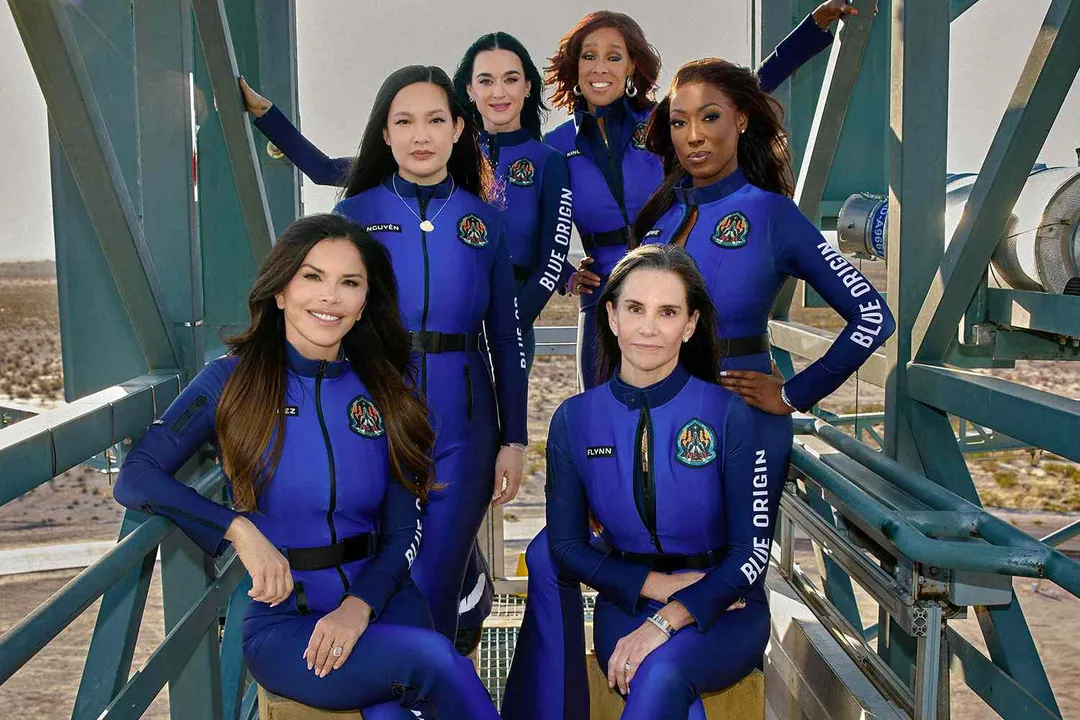
Determining the exact price for a seat aboard Jeff Bezos’s Blue Origin New Shepard rocket is less about checking a fixed price list and more about tracking a moving target established by auctions, future plans, and confidential reservation processes. While the company keeps the definitive figure close to the vest, public reports and early sales give us several fascinating, if inconsistent, data points regarding the cost of reaching the edge of space. [6][7]
# Auction Highs
The most talked-about price point associated with the New Shepard program came from the very first commercial flight. The winner of that initial seat auction paid a staggering sum to be among the first private citizens to cross the Kármán line—the internationally recognized boundary of space. [8] Various reports place this winning bid at either 2.8 million. [2] Regardless of the exact zeroes, this figure was an outlier, designed to generate maximum publicity and likely fund early operations or charity. [8] It is crucial to recognize that this initial price point reflected the unique nature of being the very first passenger, not the sustainable cost for future tourists. [1]
# Target Figures
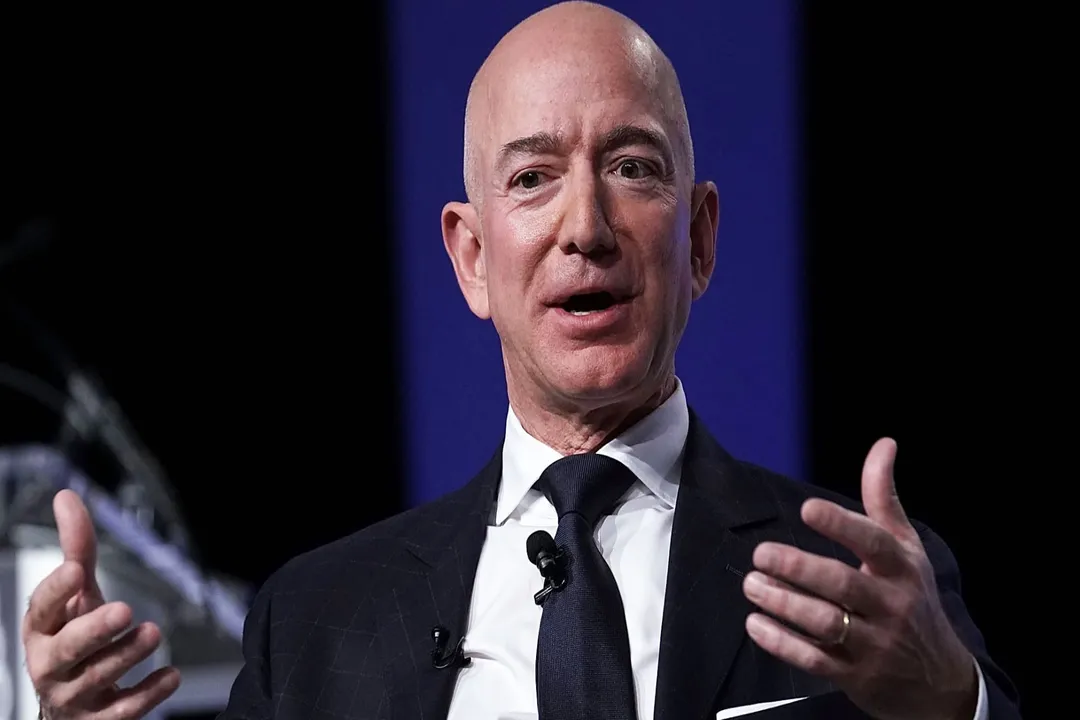
Before the auction results grabbed headlines, industry sources suggested what Blue Origin intended to charge for routine, future flights. These figures offer a better glimpse into the expected ticket cost for the typical traveler once operations normalize. [3] Initial expectations floated around a minimum price of 100,000. [3] This spectrum, ranging from 5 million based on various industry commentary, showcases the wide potential variance based on timing and demand. [1]
# Securing a Spot
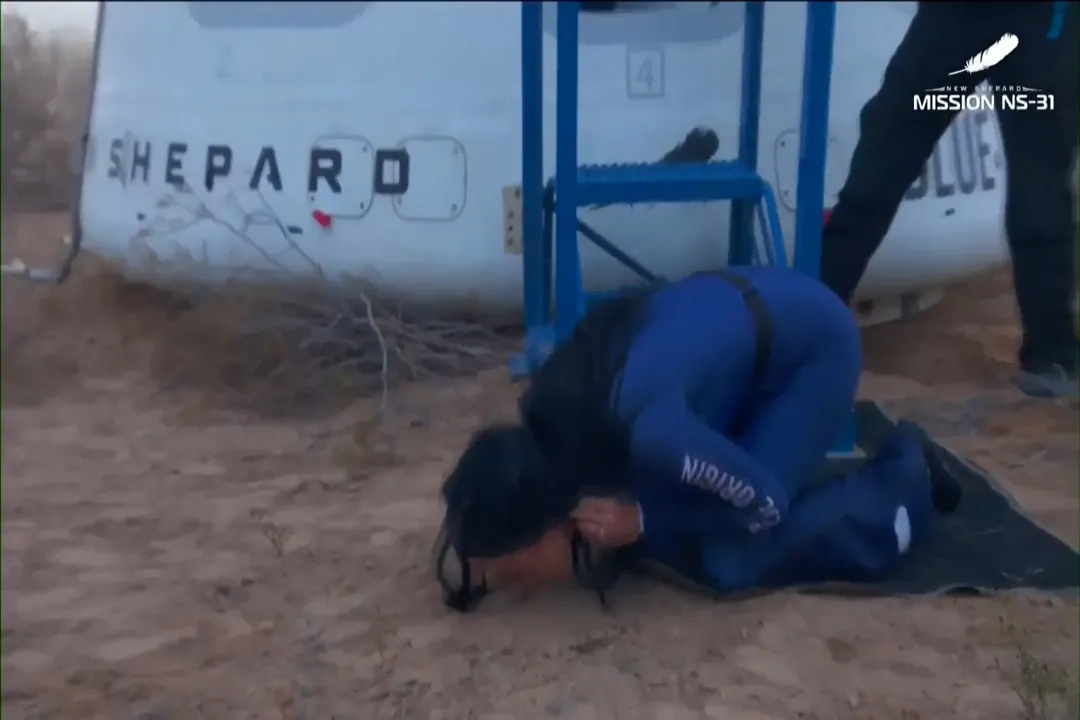
Currently, Blue Origin’s official public stance is to direct interested parties to reserve a seat, rather than listing a concrete price on their website. [6] This strongly suggests that the current process is invitation-only, qualification-based, or requires direct contact with a sales representative to discuss terms, which aligns with the idea that a fixed public price has not been set or published for general booking. [6][7] The process remains opaque for the average consumer looking to book a flight next year. [6]
The vast gulf between the initial auction price and the rumored starting price of $200,000 reveals an interesting marketing dynamic in the nascent space tourism industry. When the winning bid reached millions, it wasn't setting the market price for a routine flight; rather, it was establishing a high-water mark for status and firstness. This multimillion-dollar sale serves primarily as a proof point to investors and the public that people will pay astronomical sums for the experience, which validates the entire commercial endeavor, allowing the company to later introduce a lower, more sustainable entry price without appearing undervalued. [1][2][5]
# Suborbital Value
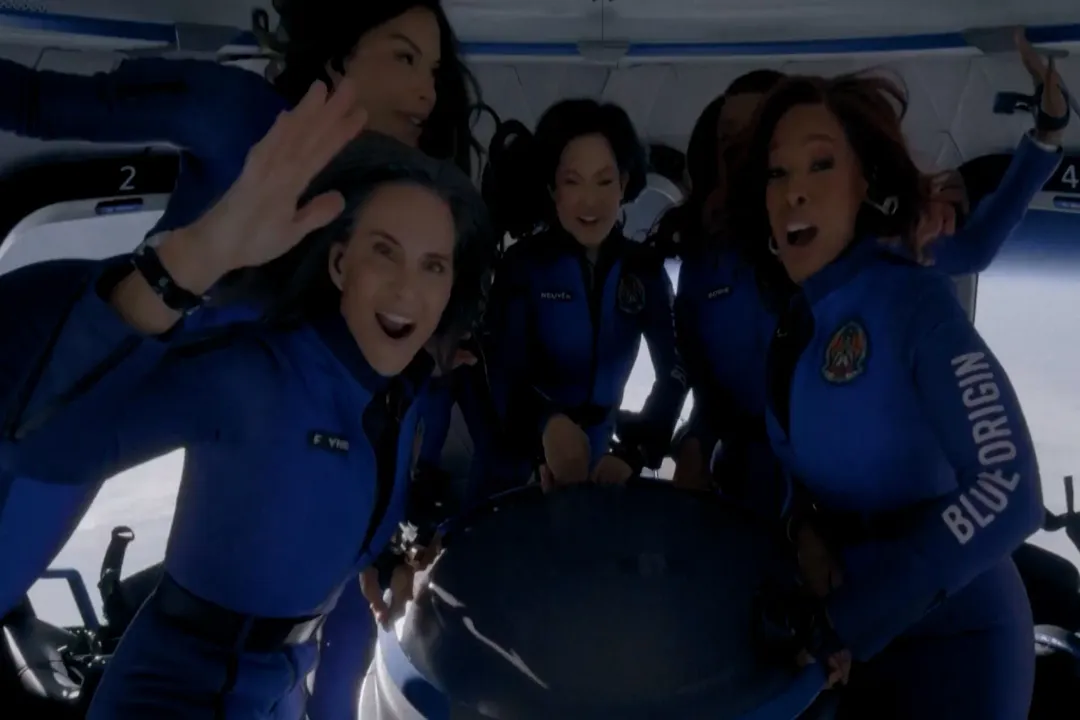
Understanding what a ticket gets you is key to framing the cost. A New Shepard flight is suborbital. This means passengers ascend past the Kármán line, experience several minutes of weightlessness, and see the curvature of the Earth, before returning to land relatively quickly. [7] The entire experience, from launch to landing, is typically completed in under an hour. [7]
When considering the rumored base cost of around 200,000 figure for a Blue Origin ride buys a few minutes of zero-G against the backdrop of Earth, positioning it as an ultra-premium, short-duration experience rather than an extended stay off-planet.
To put the entry-level cost into perspective for a potential customer who might balk at the 200,000, and the experience provides approximately four minutes of true weightlessness (a standard figure for suborbital flights), the effective cost is about $50,000 per minute of zero-G time. [3] This calculation helps distill the value proposition away from the spectacle of the launch vehicle itself and focuses purely on the unique physical experience being purchased.

# Future Pricing Factors
As this market matures, several factors will dictate where the actual public ticket price settles:
- Flight Frequency: The more often the rocket flies safely, the more operational costs (like refurbishment and staffing) can be spread across more passengers, likely pushing the price down from the high end of estimates. [1]
- Insurance and Liability: The cost of insuring a group of high-net-worth individuals for a novel launch vehicle remains significant and will be baked into the final price. [7]
- Seat Availability: With only a handful of seats per capsule, the economics will always favor premium pricing over mass-market affordability for the near future. [6]
While the published price remains elusive, the consensus from early reports suggests that for a standard ticket, one should mentally budget somewhere in the low-to-mid six figures, assuming the 100,000, though such a deal would likely require significant lead time. [3]
# The Zero-Cost Option
It is worth noting that not every seat has been sold for cash. The very first seat on the inaugural crewed flight was offered via a lottery mechanism with a donation to Blue Origin’s foundation, meaning that for at least one lucky individual, the ticket price was effectively zero, contingent upon a charitable contribution. [3][8] This highlights that while the commercial cost is high, the company has also used its flights as a public relations tool and a means for philanthropic engagement. [3]
Related Questions
#Citations
What Is the Cost of a Blue Origin Flight to Space? - People.com
The price tag to go to space with Jeff Bezos is now at ... - CNBC
How Much Is A Ticket To Space? $100000 If You Can Wait A ...
If I want to fly on Blue Origin's New Shepard how much will I pay?
Exclusive - Jeff Bezos plans to charge at least ... - Reuters
Reserve a Seat | Blue Origin
Could you go on a Blue Origin launch? Cost, future of space ...
Blue Origin ticket for spaceflight with Jeff Bezos auctioned ... - CNN
Blue Origin space tour reveals the eye-watering cost of ...