Following the retirement of the Space Shuttle program in 2011, approximately how long did NASA rely on Soyuz for crew transport?
Answer
For nearly a decade.
The retirement of the Space Shuttle program marked a pivotal transition point for NASA's access to space. After 2011, when the final Shuttle flight occurred, the United States was left without an independent capability to ferry astronauts to the International Space Station. During this interim period, NASA was entirely dependent on purchasing seats aboard the Russian Soyuz MS vehicle to maintain its required crew presence aboard the ISS. This critical reliance on Russian rocketry for crew transport spanned a considerable period, lasting for nearly a decade until domestic commercial crew capabilities became fully operational.
Related Questions
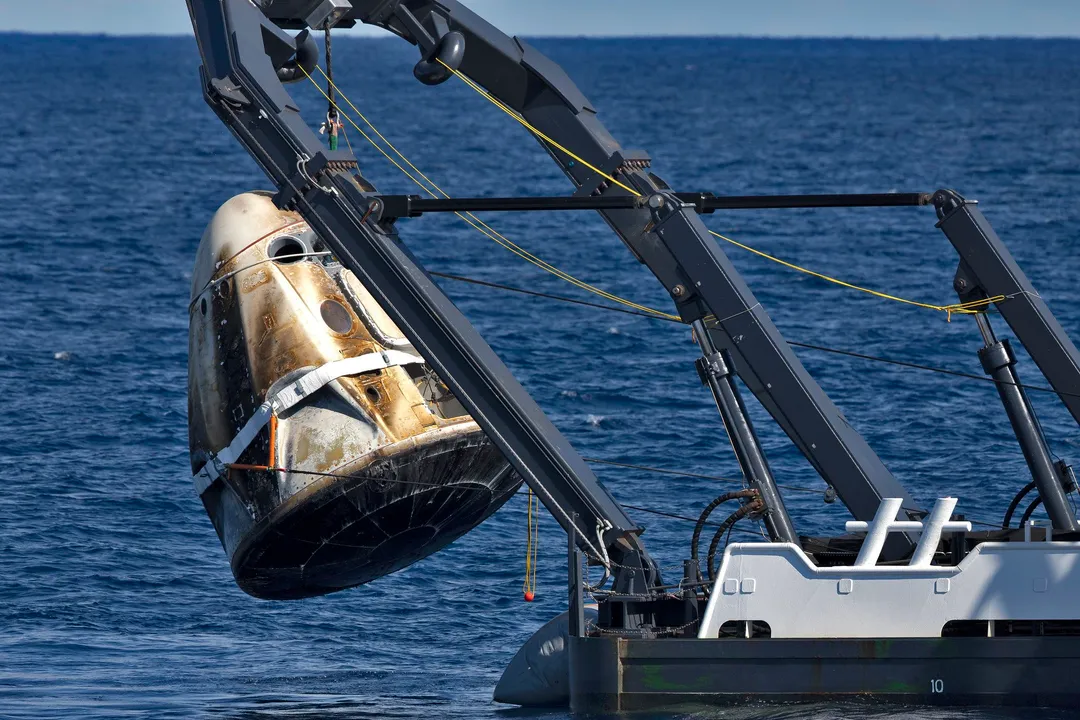
What was the most cited figure for a single NASA seat aboard a Soyuz mission following the Space Shuttle retirement?What inherent lack of reusability in the crew segment significantly raises the recurring Soyuz cost per flight?Which American commercial crew vehicle began regular operations around 2020, marking the end of exclusive Soyuz reliance?What component system sometimes approached the price of a single Soyuz crew seat in certain analyses?How did the early commercial Crew Dragon per-seat price generally compare to the established Soyuz rate of $80 million?What services were encapsulated within the $80 million fee NASA paid for a Soyuz seat?Following the retirement of the Space Shuttle program in 2011, approximately how long did NASA rely on Soyuz for crew transport?The consistent pricing of the Soyuz program reflects an amortization schedule based on what key historical factor?How does the philosophy behind newer commercial vehicles contrast with the largely expendable Soyuz operational model?What is the massive long-term budgetary implication if agencies secure reliable transport for substantially less money per astronaut?