What is the key difference in origin between a planetary nebula and a supernova remnant?
Answer
Planetary nebulae stem from dying sun-like stars; remnants stem from massive star explosions
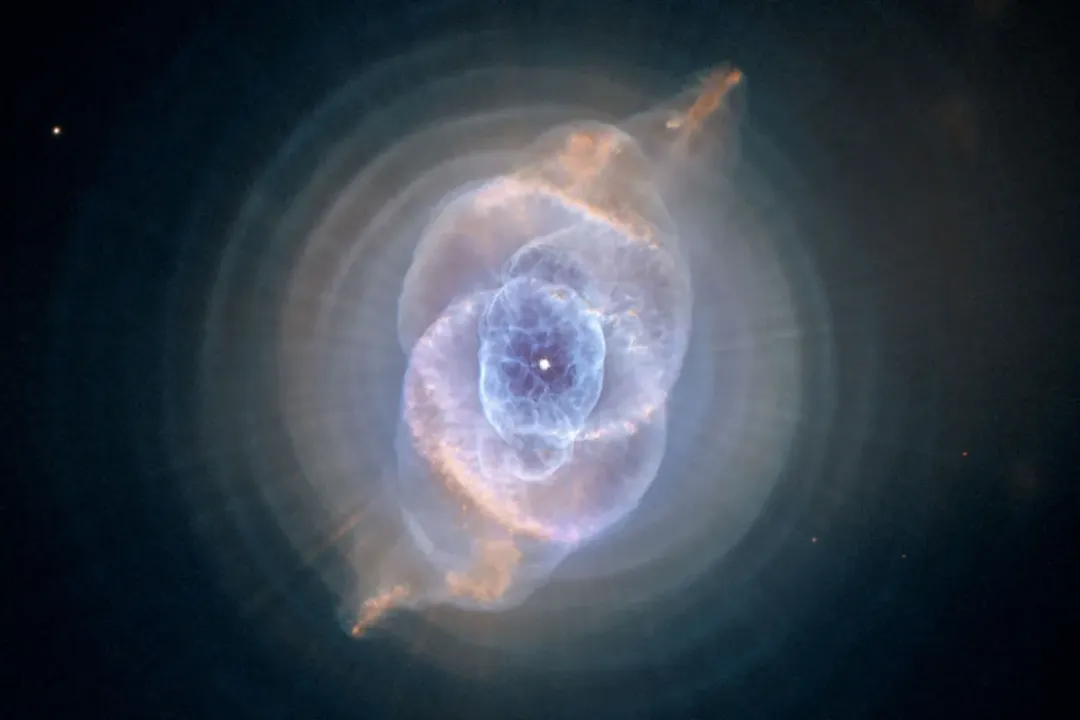
Planetary nebulae are expelled shells from dying, sun-like stars, whereas supernova remnants are the expanding debris clouds resulting from the catastrophic explosion of a very massive star.
#Videos
Nebulae: Crash Course Astronomy #36 - YouTube
Related Questions
What does the term 'nebula' translate to literally from Latin?What is the most profound role nebulae play in the cosmos?What causes the characteristic red glow observed in an emission nebula?Why do reflection nebulae typically appear blue?How do dark nebulae appear when observed against a brighter background?What is the key difference in origin between a planetary nebula and a supernova remnant?What historical reason led to the misleading name 'planetary nebula'?The average density of gas within a typical nebula is often lower than what can be achieved in which terrestrial setting?What material are the fine dust particles in nebulae primarily composed of?What factor is critical for gravity to overcome internal pressure and initiate star formation within a tenuous nebula?Which celestial object is cited as an iconic example of a dark nebula silhouetted against emission light?