Why must some missions utilize ocean splashdowns rather than returning to a land landing zone like Florida?
Answer
The required energy for high inclination or geostationary transfer orbits leaves insufficient fuel for a return trip.
Missions that demand high energy outputs, such as reaching high inclination or geostationary transfer orbits, consume more propellant, leaving the booster without the necessary fuel reserve to perform the complex maneuvers required for a return burn to a land landing site.
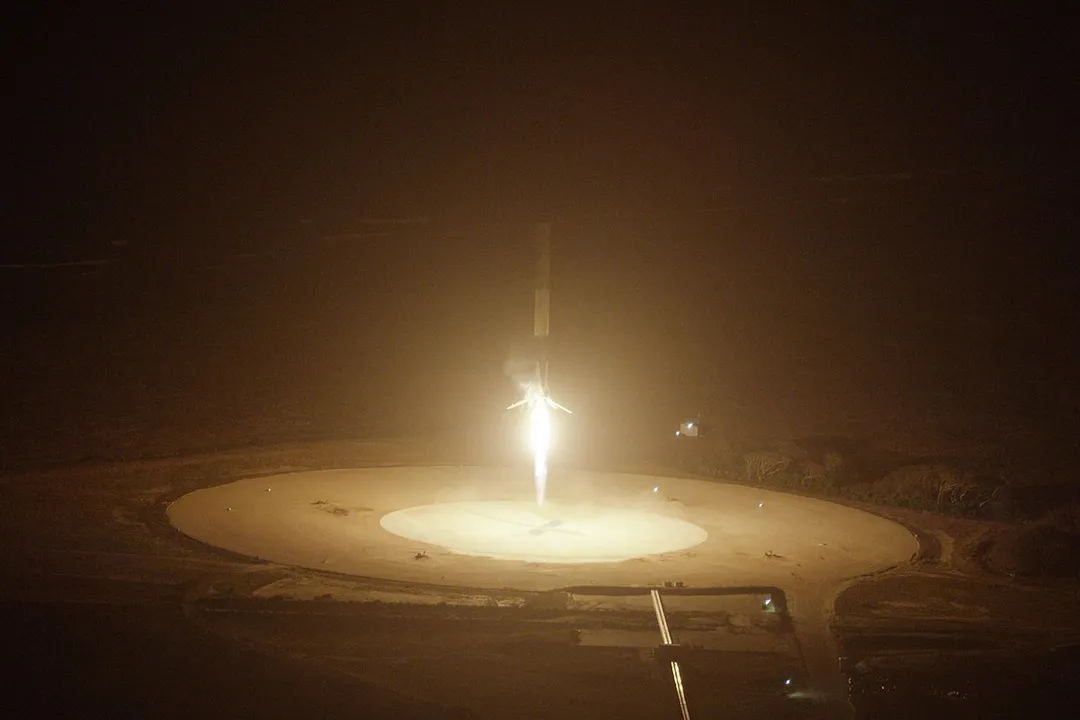
#Videos
How SpaceX Lands Rockets with Astonishing Accuracy - YouTube
Related Questions
What three main factors dictate the final resting place of a rocket booster?What was the recovery procedure for the Space Shuttle program's Solid Rocket Boosters (SRBs)?Which specific locations at Cape Canaveral Space Force Station are used for land touchdowns by reusable boosters?What historical significance does LZ-1 hold regarding previous space programs?Why must some missions utilize ocean splashdowns rather than returning to a land landing zone like Florida?What specialized vessels are used by SpaceX for controlled propulsive landings on the ocean surface?What is the primary logistical benefit of a successful land landing compared to an ocean recovery?What is the current disposition regarding recovery for NASA’s Space Launch System (SLS) boosters after ocean landing?What maneuver performed by a booster typically suggests an intent for a land recovery near the launch coast?If a booster is not designed for recovery or fails its landing attempt, what controlled disposal method might be employed?