Where do rocket boosters usually land?
The final resting place of a rocket booster is not a singular location; rather, it is a decision dictated by the vehicle’s design, the mission’s orbital requirements, and the operator’s philosophy on reusability. Unlike the rockets of previous decades, where spent stages often simply splashed into the ocean or burned up high in the atmosphere, modern rocketry—particularly that developed by private industry—has introduced the concept of precision return to Earth. Whether a booster lands on solid ground, is caught by a ship downrange, or is intentionally discarded into a remote section of the ocean depends entirely on the engineering philosophy driving that specific launch system.
# Rocket Fates
Historically, the fate of large rocket components was less about recovery and more about ensuring they did not endanger populated areas. While some major components were designed for recovery, others were simply intended to break up or splash down far from shipping lanes. The dramatic shift to controlled landings is a relatively recent development, primarily championed by SpaceX’s efforts to reduce launch costs through reusability. For older systems, such as the Solid Rocket Boosters (SRBs) used by the Space Shuttle program, the landing zone was the ocean, but this involved a careful recovery operation. The twin white SRBs were parachuted into the Atlantic Ocean, where specialized vessels and divers would retrieve them for refurbishment. Even then, the goal was recovery, contrasting sharply with stages designed to expend their entire useful life during ascent.
# Ground Touchdowns
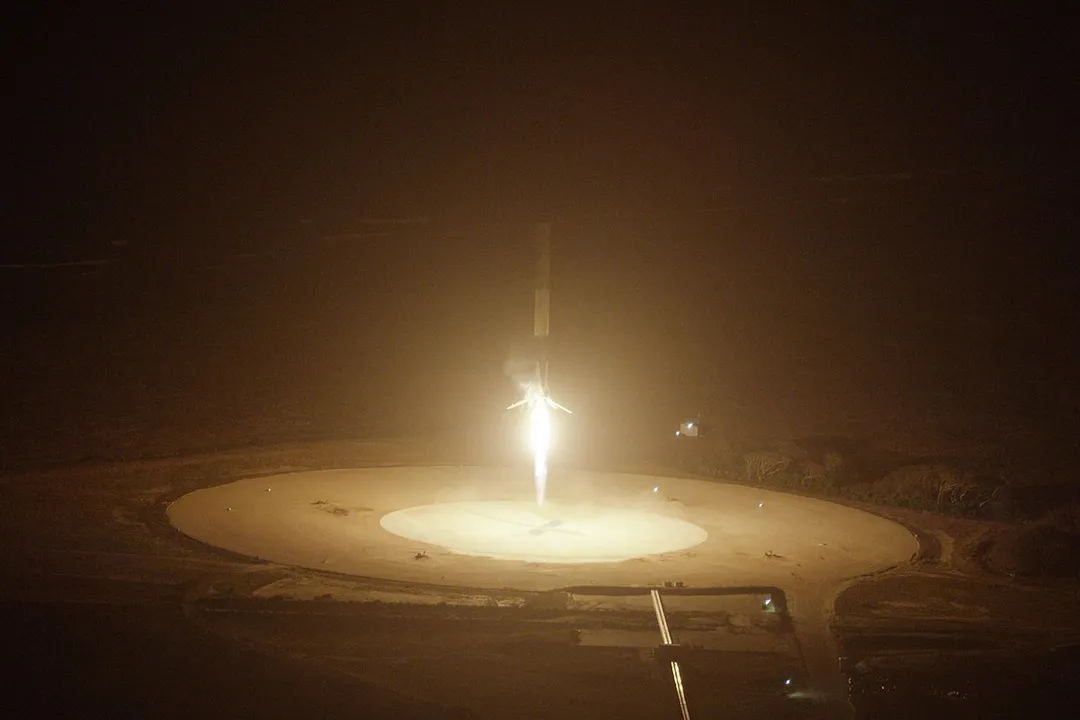
For launch providers aiming for full booster reusability, the ideal landing is on land, close to the launch site, minimizing recovery time and logistical complexity. This capability is most famously associated with Falcon 9 boosters landing back at Cape Canaveral Space Force Station in Florida. These specific landing sites are designated as Landing Zones 1 and 2 (LZ-1 and LZ-2). LZ-1 was originally the site of the Apollo 10 Saturn V launch pad, and LZ-2 was the site of the first launchpad at Cape Canaveral. When a booster successfully returns to land, it performs a propulsive landing near these zones. The advantage here is speed; a land landing means the booster is ready for inspection and refurbishment much faster than one recovered from the sea. This direct return is possible for missions where the required energy for orbit does not push the booster too far downrange or place too much stress on the engines for a return burn.
# Ocean Splashdowns
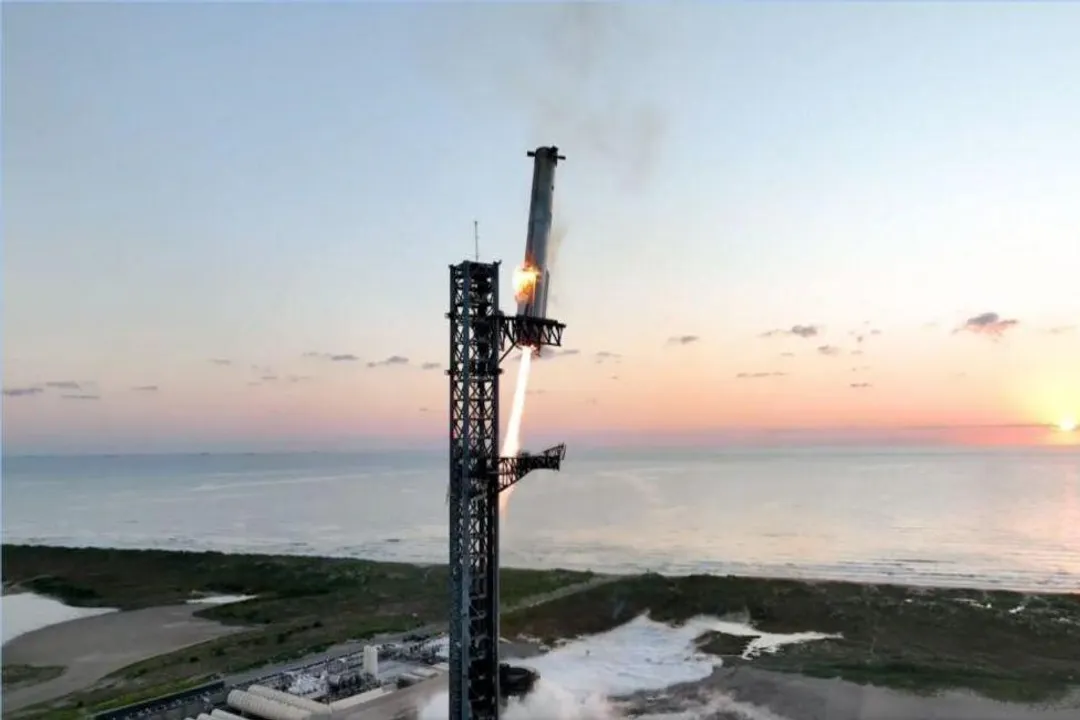
Not every mission profile allows for a return to land. For missions requiring high inclination orbits or launching payloads into geostationary transfer orbit, the booster may fly too far east or require too much fuel for a return trip to Florida or California landing zones. In these cases, the booster is directed to perform a controlled, propulsive landing on the ocean surface.
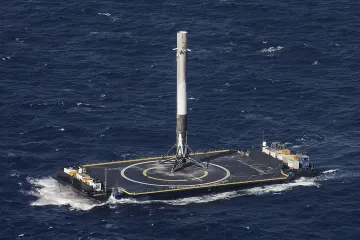
For SpaceX, these ocean landings occur on specialized autonomous droneships—vessels equipped with large landing pads. These ships must be positioned precisely where the booster is expected to impact. The naming convention for these ships, such as Just Read the Instructions and Of Course I Still Love You, reflects the company's unique branding.
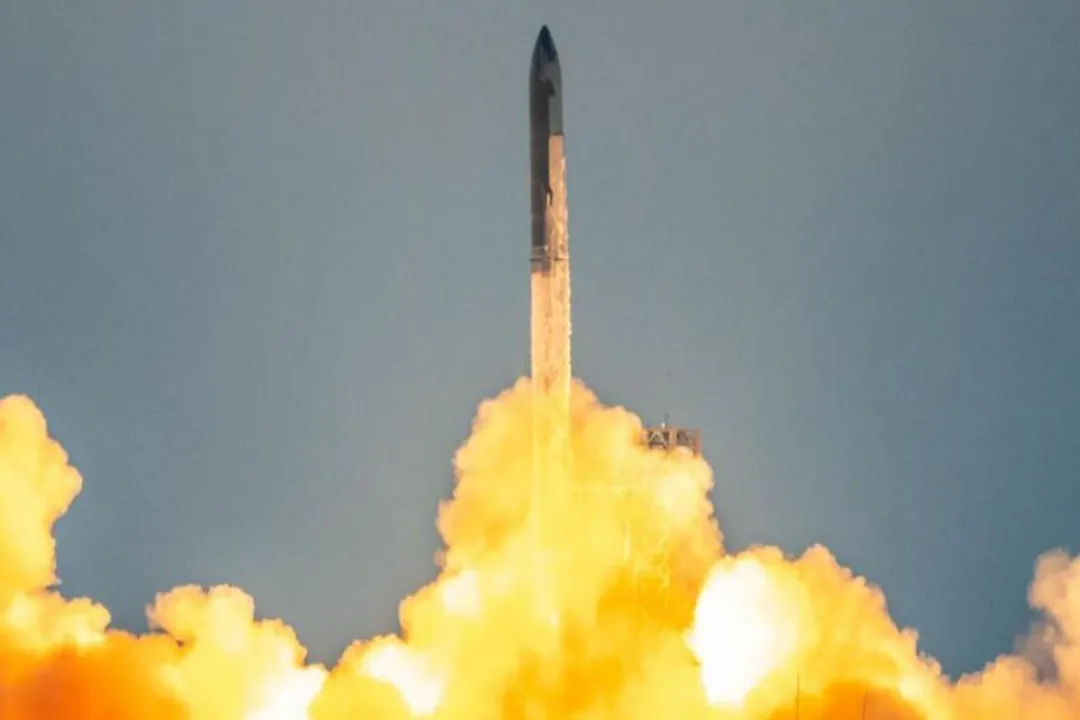
NASA’s Space Launch System (SLS) boosters, which are much larger than the Falcon 9’s first stage, also land in the ocean. However, their landing zone is set far downrange in the Atlantic Ocean, typically in a designated splashdown area. Unlike the SpaceX booster landings which aim for recovery and reuse, the SLS boosters are currently expended after separation. The vast expanse of the Atlantic provides a safe buffer zone for these massive components to descend after their primary thrust phase is complete.
The procedural difference is striking: SpaceX aims for a soft, propulsive landing on a moving target for immediate asset preservation, while the SLS SRBs complete their mission and splash down, historically necessitating divers to secure them. Even with the advent of droneships, the logistics of a maritime recovery are inherently slower and more weather-dependent than land recovery. If a booster is intended for recovery from the ocean, the recovery team must be positioned ahead of time to secure the stage after it touches down, which often involves specialized boats and technicians.
# Scrap Waterfalls
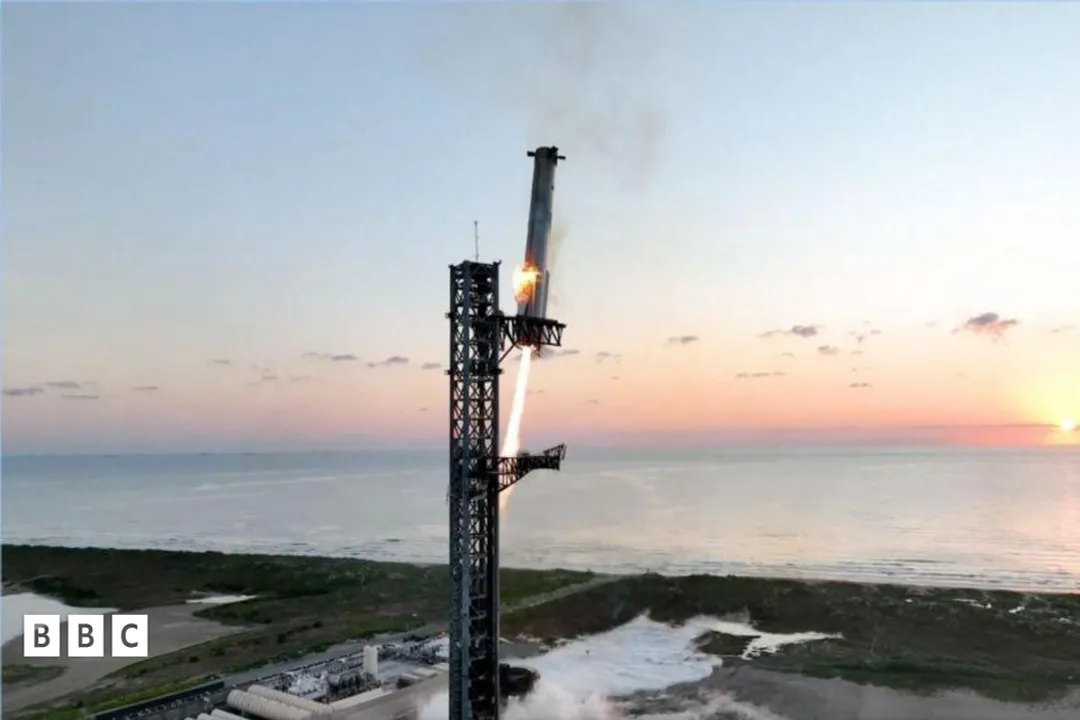
When a booster is not designed to land, or if a landing attempt fails, the stage meets a far less gentle end. For missions that do not prioritize stage recovery, the first stage is often intentionally directed to impact the ocean far from land. This is a controlled disposal method, sometimes referred to as a "planned splashdown," which ensures debris falls into designated, unpopulated zones. In these scenarios, the booster stage is often destroyed upon impact, scattering fragments into the water. When stages are not recovered, they can contribute to space debris, though the majority of the vehicle usually breaks up during re-entry or impact.
It is worth noting that for any launch, but especially for ocean landings, the entire flight path is strictly monitored for range safety. This means that even if a booster fails to land propulsively, its trajectory is usually managed to ensure it falls over unpopulated areas, like the ocean, rather than over landmasses or populated corridors. The decision to land a booster booster-back, performing a U-turn burn towards the coast, or to let it fall downrange for a droneship catch, is fundamentally dictated by the energy budget remaining after delivering the payload to its target velocity. For a high-energy mission that needs every ounce of propellant to achieve high orbit, there simply isn't enough fuel reserve for the complex maneuvers required to bring the stage all the way back to land; thus, the ocean landing becomes the most economically sensible option, even if the stage is expended.
# Landing Choices
The selection between LZ-1/LZ-2, a droneship, or an oceanic impact zone is a direct consequence of orbital mechanics and operational economics. A mission to Low Earth Orbit (LEO) often has a sufficient fuel margin for the booster to fly back to Florida for an LZ landing, which cuts down refurbishment costs significantly. Conversely, a mission targeting geosynchronous orbit requires the booster to burn fuel for a longer duration, leaving insufficient propellant for the return trip, thereby necessitating a splashdown on a droneship hundreds of miles offshore.
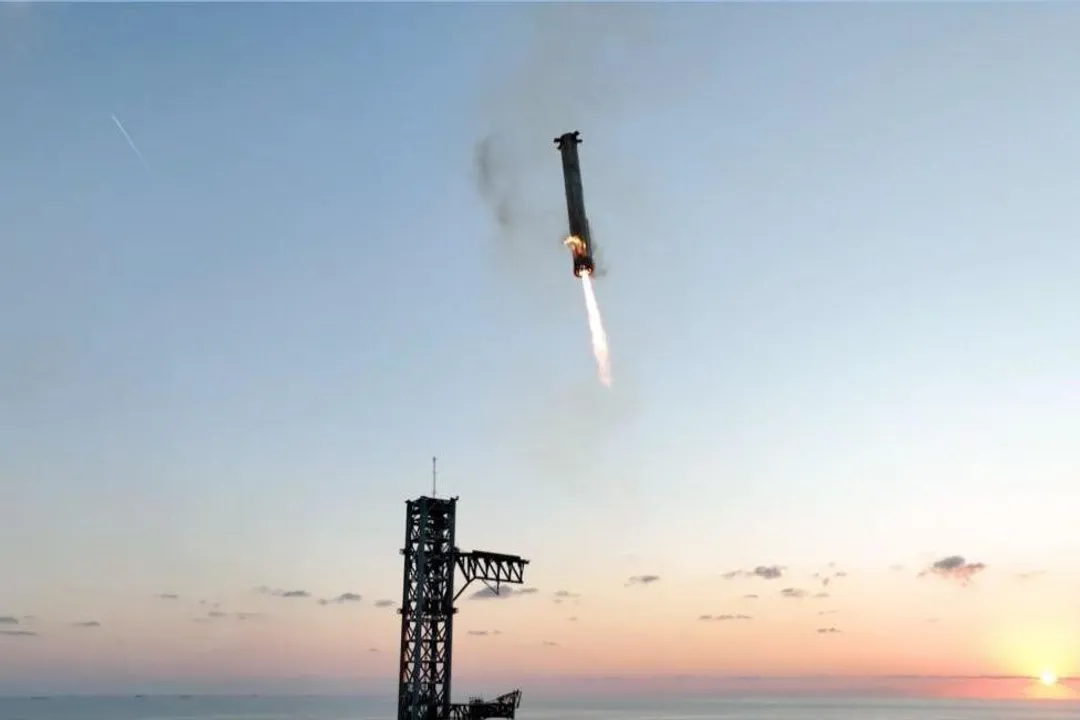
When observing a launch, understanding this trade-off offers insight into the mission's actual goal. If the launch vehicle is ascending directly over the water and the booster performs a 'boostback' burn (a maneuver to reverse course and head back toward the coast), it suggests an intent for land recovery. If, however, the first stage separates and continues flying downrange along the initial flight path, it signals an intended ocean landing, perhaps hundreds or thousands of miles away. For the SLS boosters, which are structurally different and currently expendable, the landing location is solely governed by the safety corridor required for the large SRBs to safely impact the Atlantic Ocean.
# Post-Flight Life
The destination significantly impacts the post-flight process. Boosters landing on land at LZ-1 or LZ-2 are typically secured, inspected, and then transported back to hangars for refurbishment and eventual reuse. This rapid turnaround is a major benefit of land landings. When a booster lands on a droneship, specialized crews must sail out to the vessel, secure the stage, and then tow the massive platform back to port, adding several days or weeks to the recovery timeline before refurbishment can even begin.
The ultimate fate of the hardware reflects the economic calculus. For systems like the reusable Falcon 9 stage, the immediate goal is preservation for re-flight, minimizing the need to manufacture a new stage. If we consider the implied cost structure—even without specific figures—the cost of the specialized maritime operations for a droneship recovery, including fuel, crew time, and potential weather delays, must still be weighed against the cost of building an entirely new, expendable booster. For NASA’s current SLS architecture, the SRBs are designed to be recovered, but the core stage is expended, meaning the primary focus is ensuring safe splashdown within defined parameters, as full reusability for that specific component is not the current design goal. The contrast between the near-immediate ground recovery and the multi-day maritime operation demonstrates how a few thousand pounds of fuel reserve can translate into vastly different logistical footprints for rocket operators.
#Videos
How SpaceX Lands Rockets with Astonishing Accuracy - YouTube
Related Questions
#Citations
SpaceX landing zone - Wikipedia
Where do the SLS boosters land in the Atlantic? : r/nasa - Reddit
Does the booster come back into the port or back at the VAB?
How SpaceX Lands Rockets with Astonishing Accuracy - YouTube
Do discarded rocket boosters land on Earth or are they destroyed ...
What happens to rocket stages that land in the oceans, and how ...
NASA | Booster Recovery Divers | PBS LearningMedia
Rocket Launch Viewing Guide for Cape Canaveral
Space X: Rocket booster caught in mid-air for the first time - BBC