What trade-off must be accepted to maximize the payload mass delivered to a high orbit?
Answer
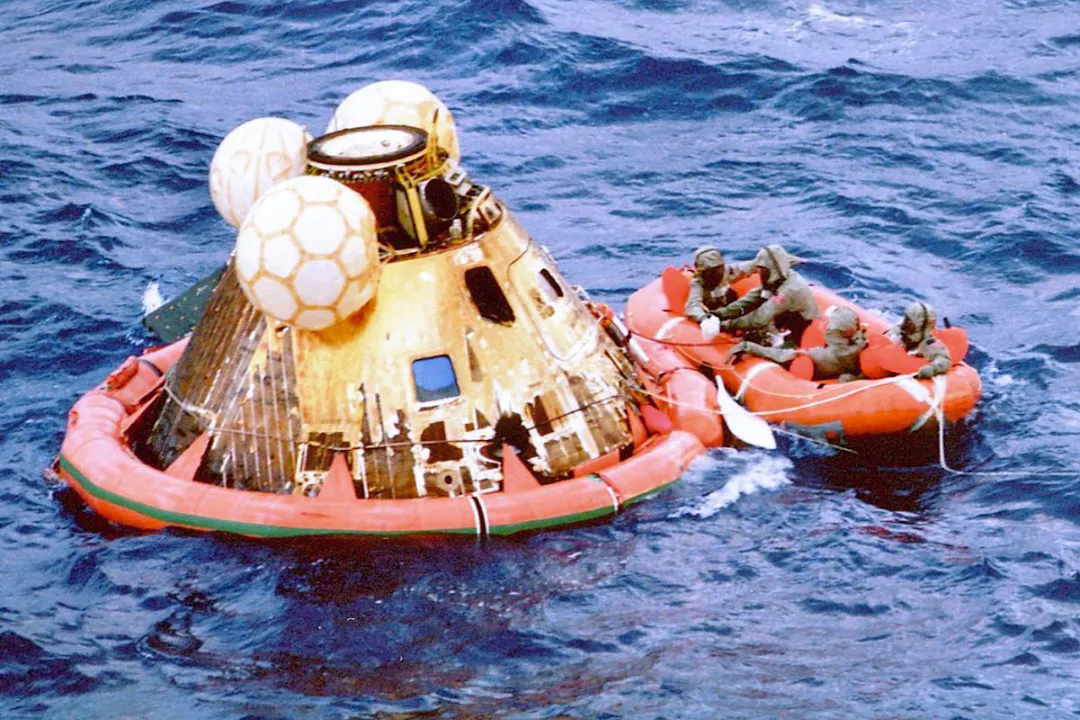
Accepting an ocean landing
Attempting to return the booster to land from a high-energy trajectory would require carrying significantly more fuel, which directly reduces the payload capacity allocated for the primary mission objectives.
#Videos
Why SpaceX Really Lands In The Ocean (Physics) - YouTube
Related Questions
What factor primarily determines the destination—a concrete pad or a drone ship—for a returning rocket stage?What is the main reason rockets launching eastward from coastal sites often land downrange over the Atlantic Ocean?What trade-off must be accepted to maximize the payload mass delivered to a high orbit?What function do specialized, unmanned marine platforms serve in modern rocketry?In rocketry, what specifically defines a 'splashdown'?What is a significant logistical advantage of recovering a booster on a fixed concrete pad like LZ-1?Why might a reusable booster be unable to land on a land pad even if it has sufficient range to reach the launch site?How does the geography of a launch site influence early stage separation safety?What distinguishes the fate of a stage that executes a splashdown versus one that successfully lands on a drone ship?What sequence of burns must a first stage perform to return successfully for reuse?When a mission can afford the fuel margin, which recovery site is generally preferred logistically?