Which stellar remnant is associated with a medium-mass star progenitor outcome?
Answer
Neutron Star
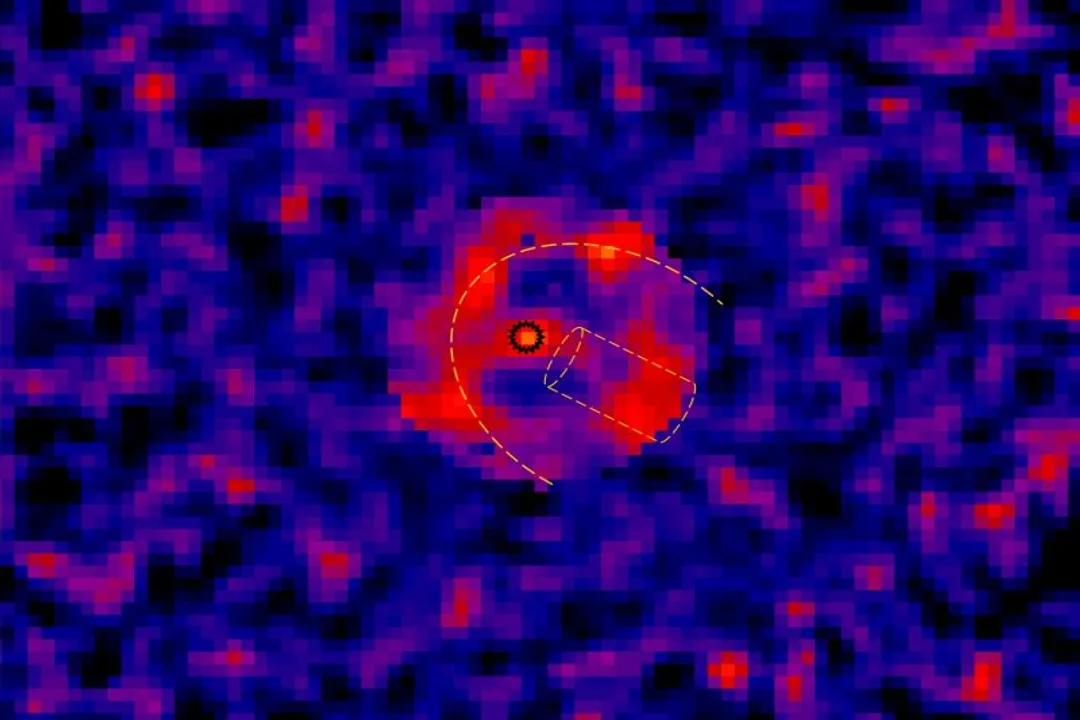
The ultimate fate of a dying star’s core is determined by the initial mass of the progenitor star. Stars that are considered medium-to-large in mass, but not among the most massive class, will undergo core collapse following the exhaustion of their nuclear fuel. After shedding their outer layers in a supernova, the remaining core contracts until its density is so high that it is stabilized by neutron degeneracy pressure, resulting in the formation of a neutron star. Less massive stars typically end as white dwarfs after a planetary nebula phase, while only the most massive stars yield a black hole.
#Videos
What Is Left After A Supernova? - Physics Frontier - YouTube
Related Questions
What forms the expanding cloud known as a Supernova Remnant (SNR)?What condition leads to the formation of a black hole after core collapse?How massive is a Neutron Star compared to its physical size?What is the expected longevity of the expanding gaseous shell of an SNR?How is a Neutron Star identified if it manifests as a Pulsar within an SNR?Which stellar remnant is associated with a medium-mass star progenitor outcome?What property defines a black hole region of spacetime?What vital role does the dispersal of heavier elements from the SNR play?What single factor dictates the boundary between forming a neutron star and a black hole?What exotic substance primarily composes a Neutron Star?