What is the expected longevity of the expanding gaseous shell of an SNR?
Answer
Tens of thousands of years.
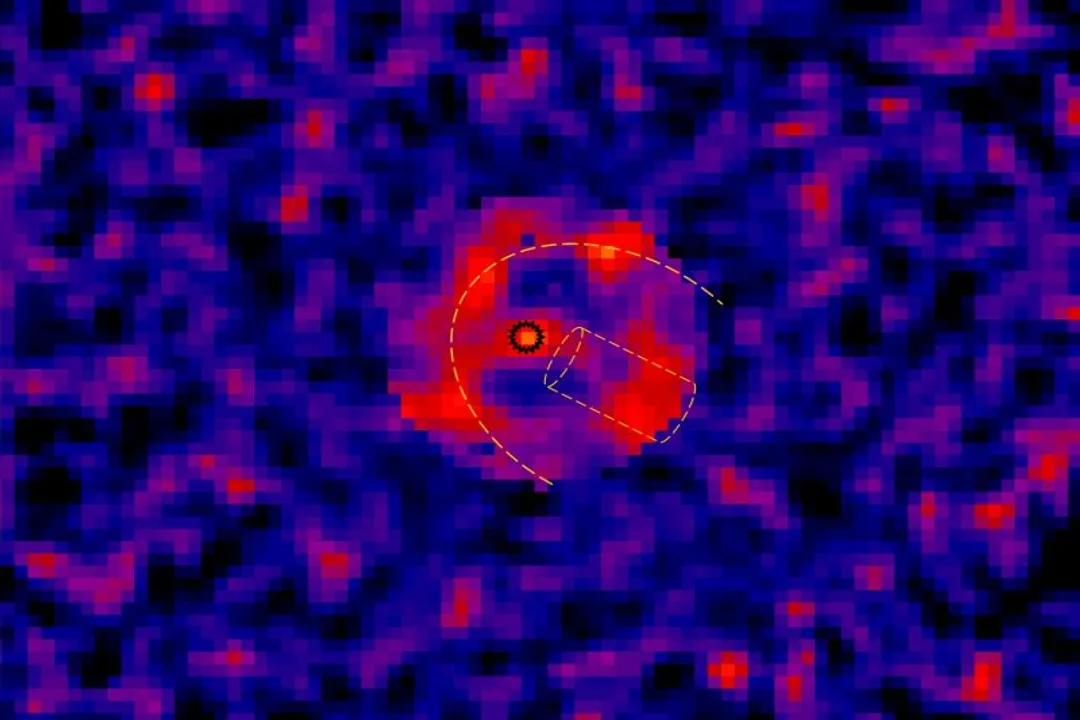
The supernova remnant, which is the visible, gaseous shell glowing due to the shock wave heating, is structurally transient on astronomical timescales. This shell represents the immediate, energetic aftermath of the explosion, and over time, it expands, cools down, and eventually dissipates or merges into the general interstellar medium. This process of integration back into the galaxy takes an estimated duration spanning tens of thousands of years. In stark contrast, the core remnant formed at the center—the neutron star or black hole—persists effectively forever on human or even galactic timescales.
#Videos
What Is Left After A Supernova? - Physics Frontier - YouTube
Related Questions
What forms the expanding cloud known as a Supernova Remnant (SNR)?What condition leads to the formation of a black hole after core collapse?How massive is a Neutron Star compared to its physical size?What is the expected longevity of the expanding gaseous shell of an SNR?How is a Neutron Star identified if it manifests as a Pulsar within an SNR?Which stellar remnant is associated with a medium-mass star progenitor outcome?What property defines a black hole region of spacetime?What vital role does the dispersal of heavier elements from the SNR play?What single factor dictates the boundary between forming a neutron star and a black hole?What exotic substance primarily composes a Neutron Star?