Where is the target impact zone specified for the controlled disposal of the ISS debris?
Answer
South Pacific Ocean Uninhabited Area (SPOUA)
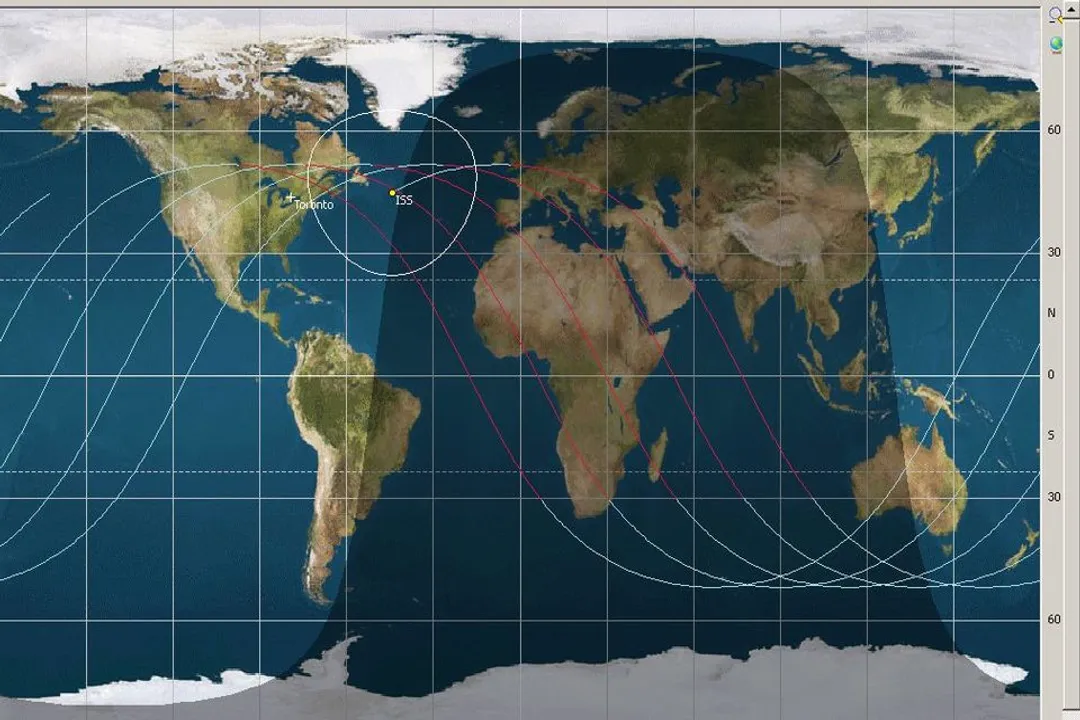
The decommissioning plan for the ISS aims for a highly specific and remote location to ensure public safety during the controlled disposal maneuver. The target trajectory is calculated to direct the station's descent path toward an impact zone in the South Pacific Ocean Uninhabited Area, which is commonly referred to by the acronym SPOUA. This specific area functions as a designated location, sometimes called a spacecraft cemetery, set aside to safely absorb the remnants of large objects returning from orbit, unlike smaller satellites that may be left to fall randomly.
Related Questions
What is the approximate orbital speed the ISS clocks in at when circling the Earth?What term describes the constant state of near-collision the ISS experiences relative to the ground?What specific atmospheric layer imposes drag, causing the ISS orbital velocity to bleed off slowly?What maneuver is performed regularly to counteract orbital decay and maintain the ISS altitude?Which visiting spacecraft is mentioned as a typical means of executing ISS reboosts?Why is the continued operation of the International Space Station eventually deemed non-viable?What is the formal term for the ISS end-of-life process designed to safely bring the structure down?Where is the target impact zone specified for the controlled disposal of the ISS debris?What force keeps the ISS continually curving around the Earth rather than drifting into space?What is the currently established target timeframe for the ISS's final descent and planned retirement?