Is the ISS technically in space?
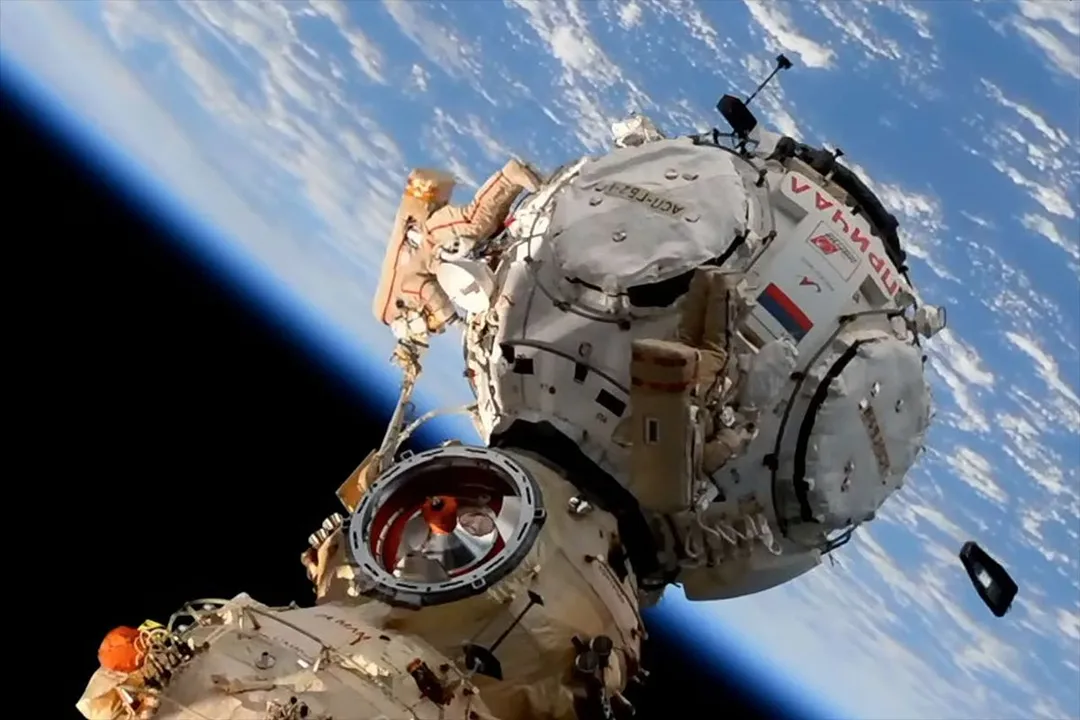
The question of whether the International Space Station (ISS) resides in "space" is less about a simple yes or no and more about defining the boundaries we place on our environment. From a practical, lived experience standpoint, the astronauts onboard certainly feel they are in space; they float, they see the curvature of the Earth, and they operate entirely outside the conditions of our planet's surface. [2][5] The station circles our planet at an astonishing average altitude of about 400 kilometers (or roughly 250 miles). [1][6] To put that altitude into perspective, the highest altitude reached by a commercial airliner is only about 12 kilometers, meaning the ISS orbits more than 30 times higher than the cruising altitude of any jet you've ever flown in. [8]
# Defining The Edge
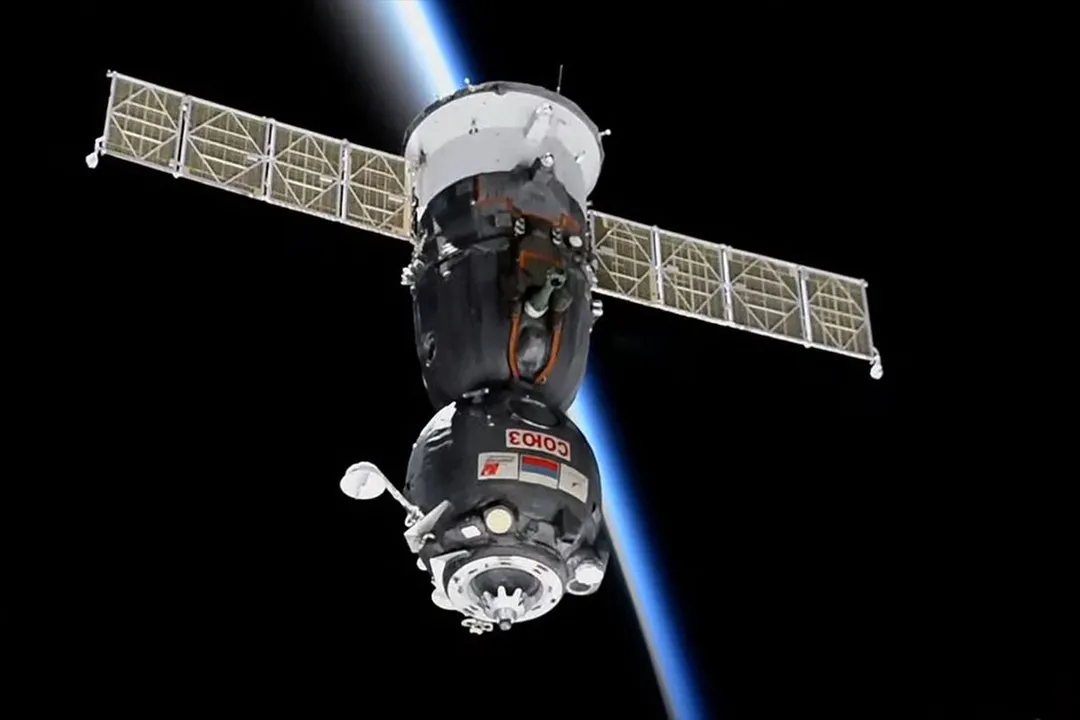
The main source of confusion when answering this question lies in where humanity has decided to draw the official line separating the atmosphere from outer space. Many often refer to the Kármán line, which is internationally recognized as the point where the atmosphere becomes too thin for conventional aerodynamic flight, typically set at 100 kilometers (about 62 miles) above sea level. [3][7] Since the ISS orbits at around 400 km, it is undeniably situated above this conventional threshold. [1]
However, the Kármán line is more of a convention than a hard physical barrier. Even at 100 kilometers, there is still residual atmospheric gas present. [7] This leads to an interesting distinction: while the ISS is certainly beyond the altitude where airplanes can operate, it is not in a perfect vacuum. It exists in the upper reaches of the thermosphere, where trace amounts of air molecules still exist. [7] This thin veil of atmosphere is enough to cause a very slight, constant drag on the massive structure.
For comparison, consider the difference between LEO (Low Earth Orbit) and GEO (Geostationary Orbit). The ISS resides in LEO. [1] Geostationary satellites, which appear fixed in the sky relative to us, orbit much higher, around 35,786 kilometers. [6] The ISS, therefore, is quite close to Earth compared to many other objects we consider firmly "in space." Yet, its altitude is far, far above the highest mountain peaks or the upper limits of the air considered breathable or usable for high-altitude ballooning. [1][7]
# Constant Freefall
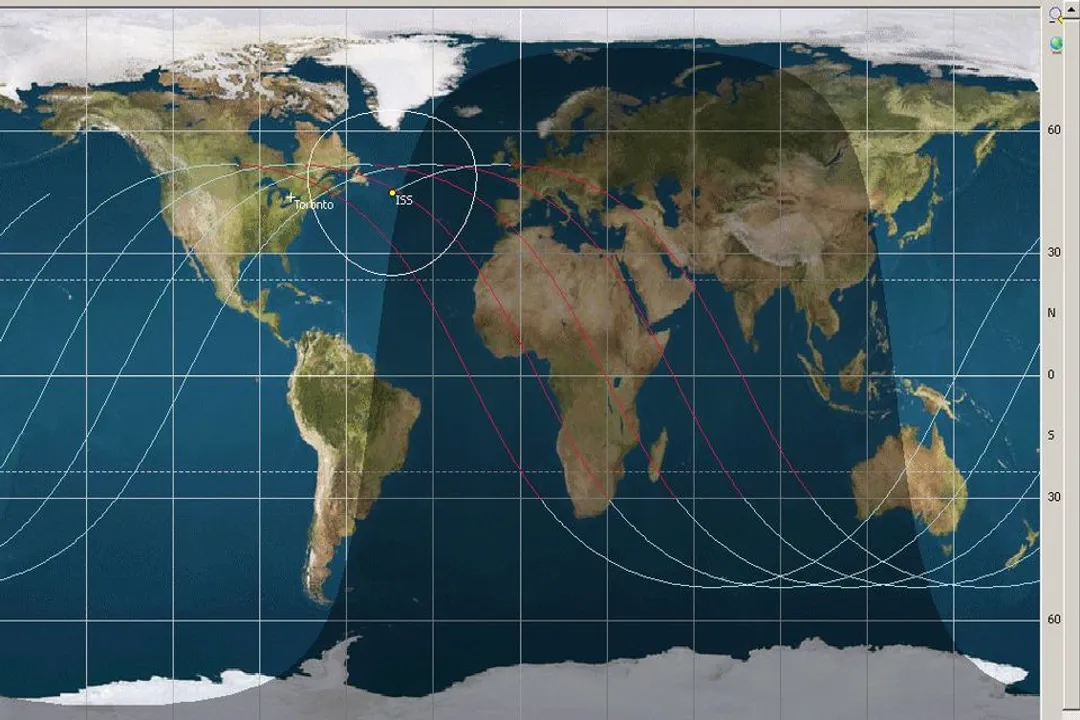
The true secret to the ISS’s location is not just its height, but its speed and the resulting state of perpetual motion—it is constantly falling towards Earth but missing it. [8] The station travels at approximately 7.66 kilometers per second (or about 17,150 miles per hour). [1][6] This incredible velocity is exactly what keeps it in orbit. If the station were placed at 400 km altitude but traveling much slower, gravity would quickly pull it back down, causing it to burn up in the denser atmosphere below. [8]
This continuous state of falling is why the crew experiences weightlessness. [2][8] Everything on the station—the astronauts, the equipment, the air—is accelerating towards Earth at the same rate, creating the sensation we call microgravity. [8] This is technically an environment of continuous freefall, even though the structure itself is held aloft by its momentum. [8]
This perpetual need to counteract drag provides an insightful point about its orbital environment. Unlike deep-space probes or satellites in much higher orbits, the ISS requires regular reboosts to maintain its altitude. [8] Without these occasional engine firings, often done using visiting spacecraft like Progress vehicles, the ISS would slowly spiral down into the denser atmosphere, leading to its eventual demise. [8] This need for active station-keeping means the ISS is intrinsically linked to the atmospheric layer it is fighting against.
# Global Laboratory
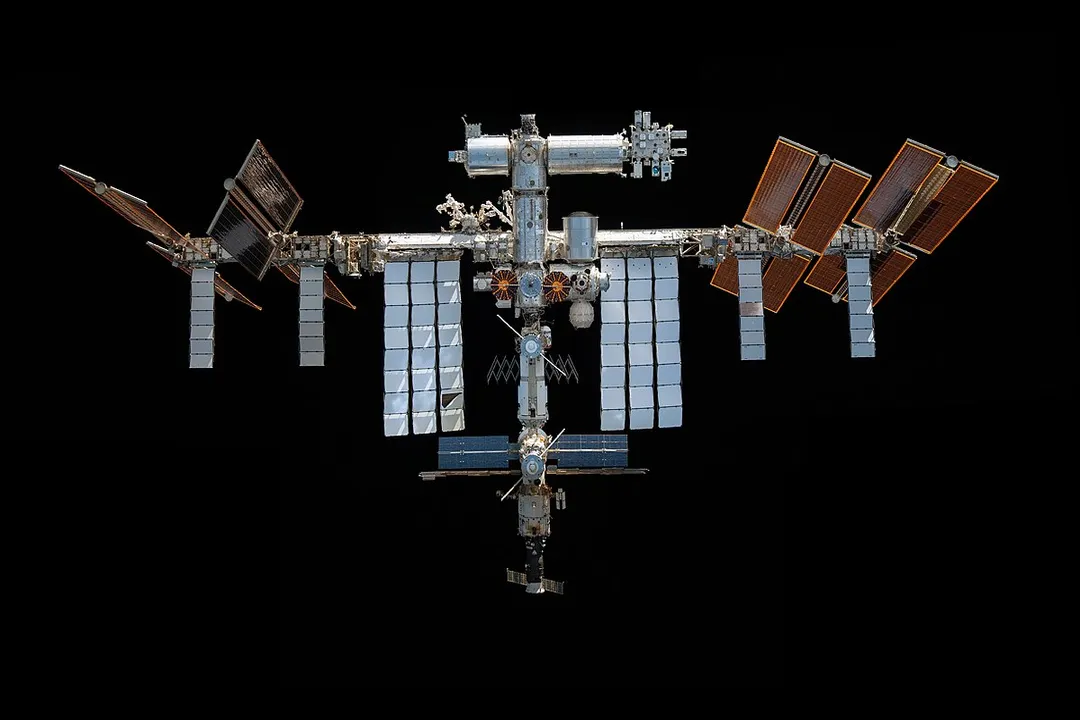
More than just a physical location, the ISS is defined by its function as an orbiting laboratory and a testament to international cooperation. [2][4] It is a multinational research facility supported by five participating space agencies: NASA (United States), Roscosmos (Russia), JAXA (Japan), ESA (Europe), and CSA (Canada). [1][4]
The station serves as a unique platform for scientific inquiry precisely because of its environment. Research conducted there spans biology, physics, astronomy, and materials science, taking advantage of the microgravity environment that cannot be replicated for long durations on Earth. [2][5] For instance, understanding how the human body adapts to long-term residence outside Earth's protective blanket is crucial knowledge for any future deep-space missions to the Moon or Mars. [2] It represents an ongoing commitment to human presence in space, an experience that informs everything from medical research to the development of new engineering solutions. [5]
# End of Mission
The current configuration of the ISS is not designed to last indefinitely. As international agreements mature and hardware ages, planning for the station's controlled retirement has become a major focus. [9] Current plans generally involve deorbiting the massive structure around the year 2030. [9]
The transition away from the ISS will mark a significant shift. Rather than retiring the capability entirely, the goal is to transition to commercially operated, low-Earth orbit destinations. [9] This future is predicated on the success of private industry taking over the roles currently handled by government agencies in LEO, potentially opening up new possibilities for research and even space tourism now that the foundational technology and operational experience have been proven by the ISS project. [9]
In summary, the ISS is absolutely in space according to every functional and official boundary definition we currently employ. It orbits high above the breathable air and the functional limit of aeronautics, allowing its inhabitants to experience weightlessness and conduct unique research free from Earth's atmosphere and gravity well. [1][7] Its location is a precise balance point—high enough to orbit unimpeded by major air resistance, yet low enough to be reasonably accessible for resupply and crew rotation. [8] It exists in the dynamic region where Earth's influence fades, yet still requires active management to keep it from returning to the ground.
Related Questions
#Citations
International Space Station - Wikipedia
International Space Station - NASA
Is the International Space Station really in outer space?
International Space Station ISS
The International Space Station (ISS),… | The Planetary Society
International Space Station — Everything you need to know
Is the International Space Station outside Earth's atmosphere? - Quora
How Does the International Space Station Orbit Earth Without ...
The End of the International Space Station Will Begin a New Era of ...