What is the process called that produced hydrogen nuclei in the first few minutes after the Big Bang?
Answer
Big Bang Nucleosynthesis
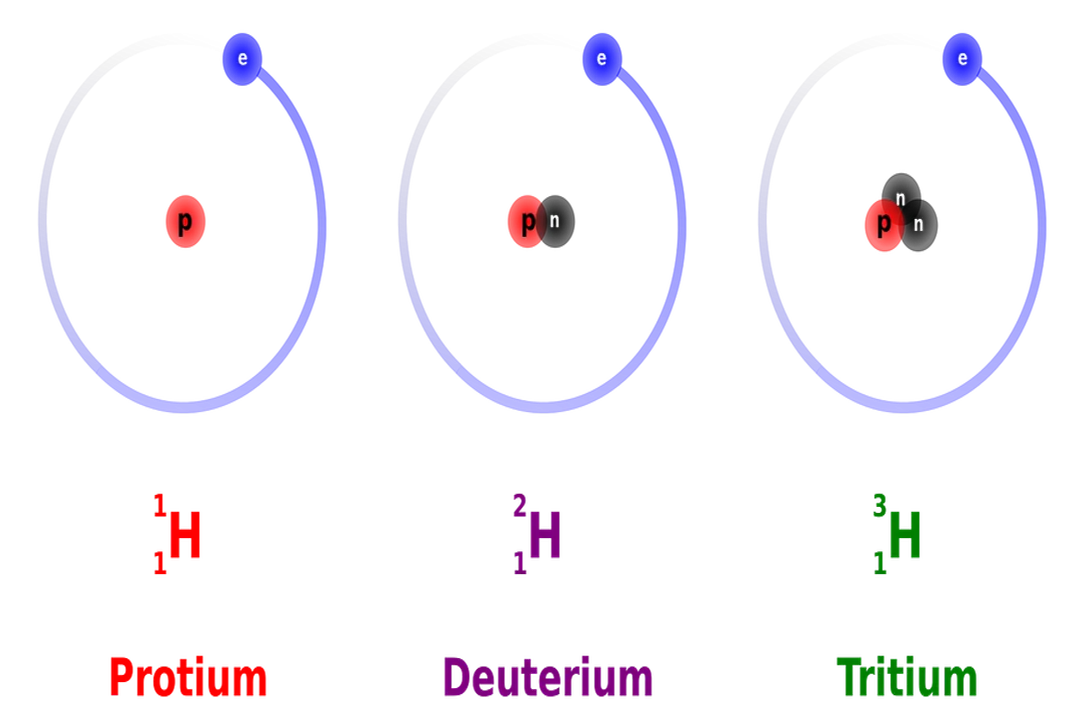
The conditions immediately following the Big Bang allowed for nuclear fusion of the lightest nuclei, a process known as Big Bang Nucleosynthesis, which generated protons and neutrons.
Related Questions
What percentage of the normal matter mass in the cosmos is constituted by hydrogen?What is the process called that produced hydrogen nuclei in the first few minutes after the Big Bang?During the main sequence phase of a star's life, what element is hydrogen primarily converted into?Why did fusion stop abruptly in the early universe, preventing the initial creation of elements like carbon or oxygen?In biological systems, what molecules utilize hydrogen atoms to form the backbone of essential organic structures?What molecule's production is driven by the controlled flow of protons back across a membrane through the enzyme ATP synthase?Compared to gasoline, how does hydrogen's specific energy content by mass compare?Which method for obtaining terrestrial hydrogen involves splitting water using renewable electricity?What potentially happens to proteins if the H+ concentration deviates slightly from the required narrow pH range?What role do stars play in relation to hydrogen and heavier elements across the galaxy?