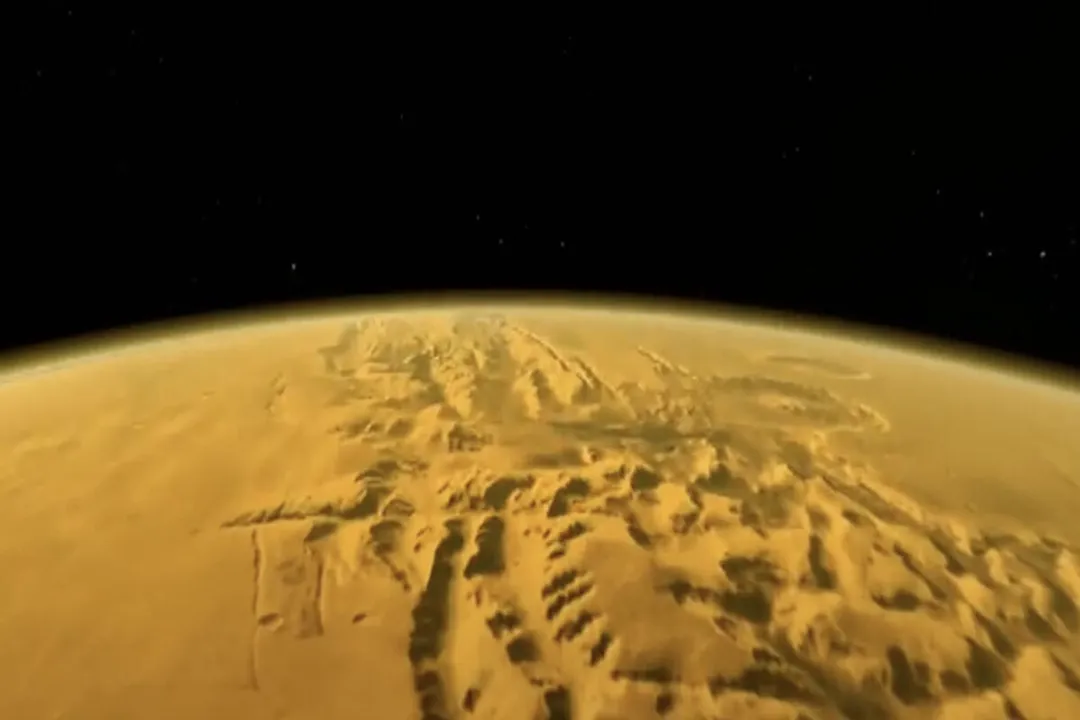
What is the primary significance of distinguishing between a muddy debris flow and a dry avalanche in Martian geological forensics?
It helps map out when the planet could support surface moisture versus when it was too cold or the atmosphere too thin
Geological forensics involves carefully analyzing sediment transport mechanisms to reconstruct Mars's past climate. Distinguishing between a muddy debris flow, which is fundamentally driven by the presence of significant liquid water, and a dry avalanche, which relies on wind or gravity moving dry granular material, provides crucial chronological data. This differentiation allows scientists to pinpoint specific epochs where the atmospheric conditions—sufficient temperature and pressure—were capable of sustaining surface moisture and shaping the terrain through liquid flow, thereby creating a more precise timeline of Mars's wet periods.