What inherent challenges drive technological innovation for spacecraft in planetary science?
Extreme temperatures, radiation, and long operational lifespans
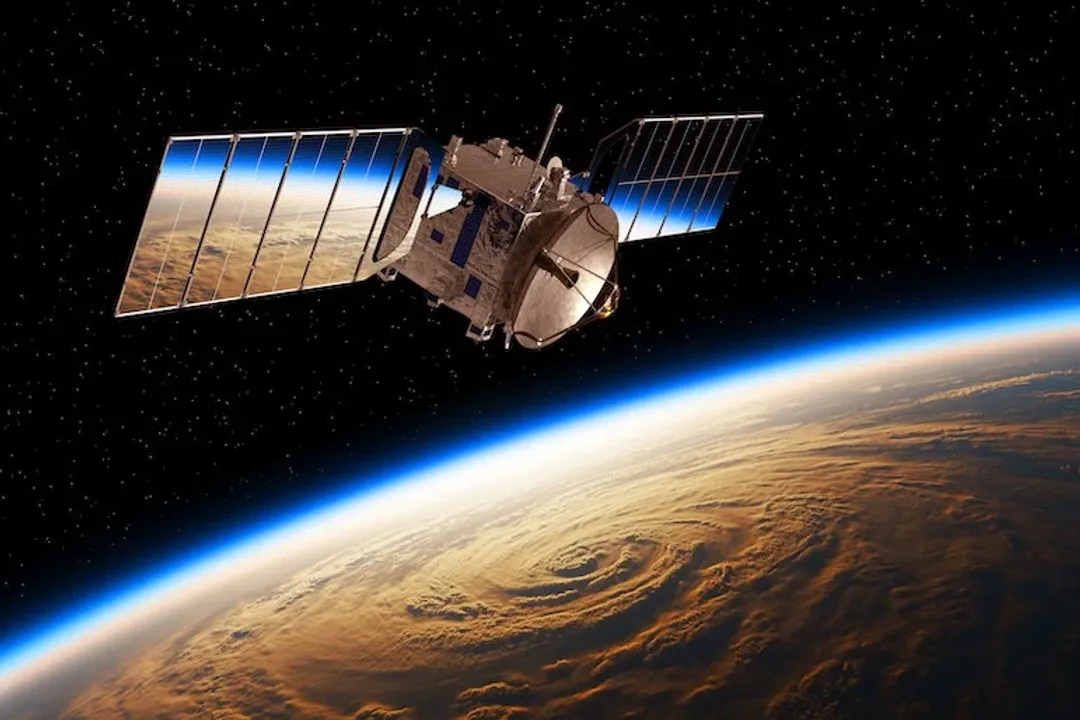
Planetary science missions inherently push the limits of engineering because the environments encountered beyond Earth's protective magnetosphere are exceptionally hostile to conventional technology. Spacecraft must be designed to endure massive swings in temperature, ranging from intense heat when near the Sun to extreme cold in deep space. Simultaneously, they must be heavily shielded against high levels of cosmic and solar radiation which degrade electronics and materials over time. Furthermore, missions are frequently designed for operational lifespans spanning many years, often decades, far from direct servicing capabilities. Overcoming these challenges forces innovation in developing more durable materials, more sensitive and resistant sensors, and more autonomous computational methods, leading to technological 'spin-offs' beneficial for industries on Earth.