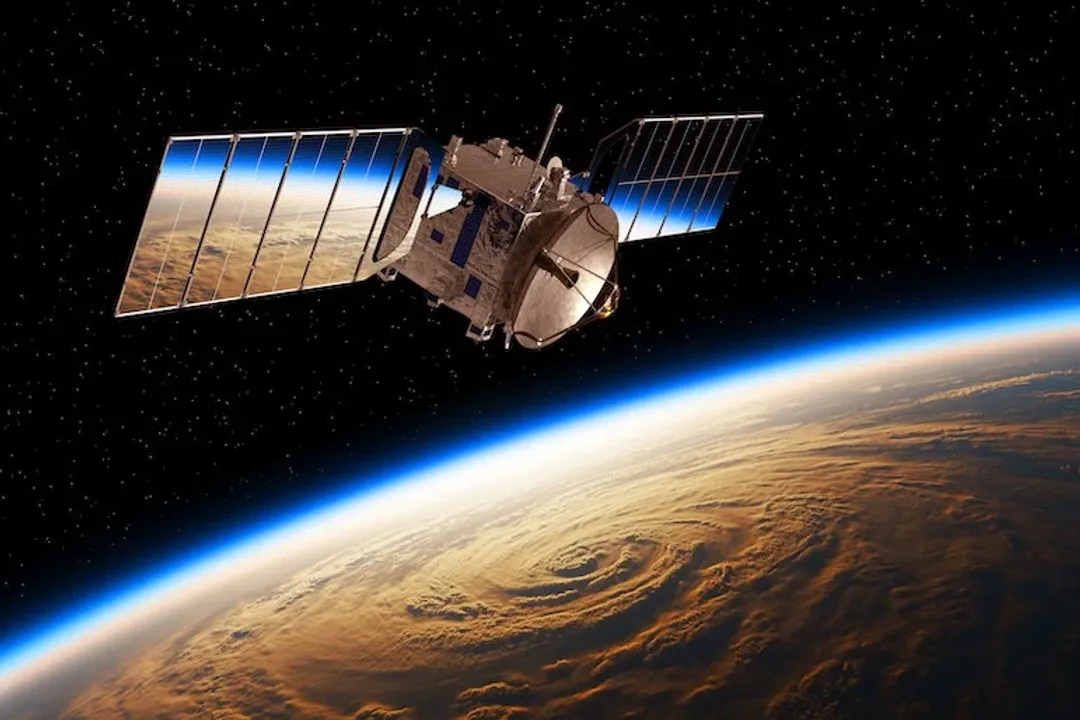
Studying which planetary atmosphere, thin and mostly carbon dioxide, sharpens predictive capabilities for terrestrial climate shifts?
Mars
The Martian atmosphere, characterized by being extremely thin and composed primarily of carbon dioxide, provides a necessary comparative model for terrestrial climate science. While Earth’s atmosphere is thick and nitrogen/oxygen dominated, analyzing how the sparse Martian atmosphere has interacted with solar energy and evolved over billions of years—especially following the loss of its magnetic field—allows climate modelers to test and refine their understanding of atmospheric physics under different parameters. Specifically, modeling the historical changes on Mars helps validate or adjust models predicting how Earth’s climate system might respond to variations in solar input or changes in atmospheric chemistry. This comparative study sharpens the accuracy of predictive models regarding global warming trends and potential large-scale weather patterns on Earth.