What condition linked to adapting hearts in lower gravity might be far more pronounced in a Mars-born child returning to Earth?
Answer
Orthostatic intolerance
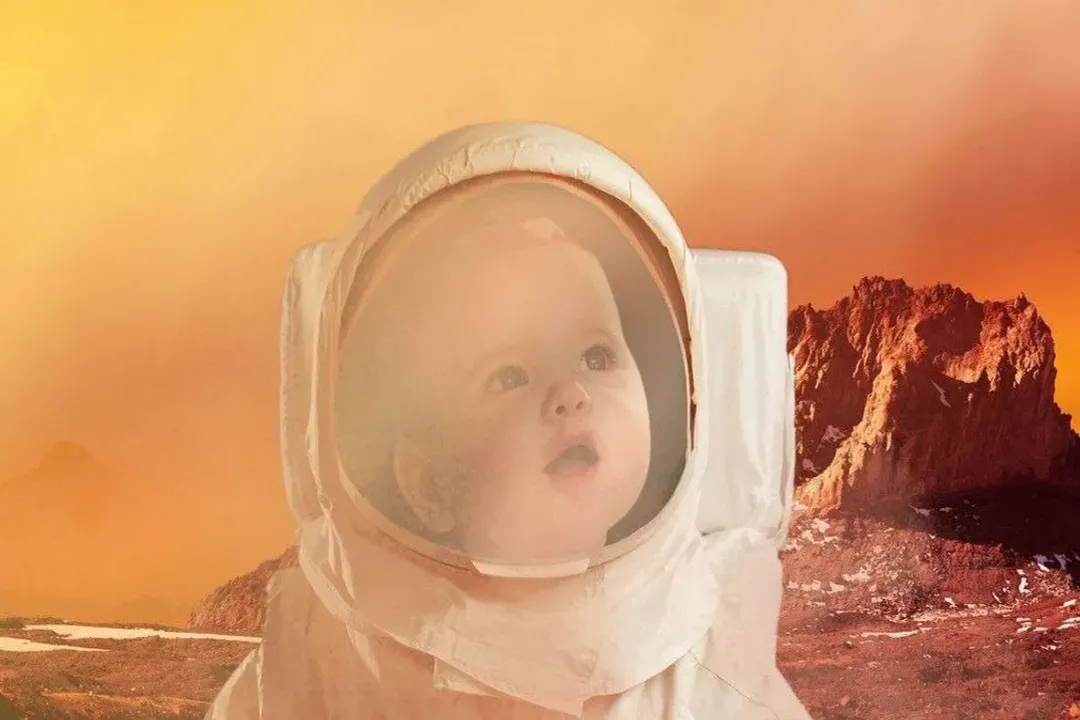
Orthostatic intolerance, which is characterized by fainting or dizziness upon return to gravity because the heart adapts to lower resistance in lower gravity, is a known issue for Earth-born astronauts returning from space. For a child who has developed entirely in Martian gravity (0.38g) and never experienced 1g, this effect is anticipated to be far more pronounced. The cardiovascular system, having never developed the necessary conditioning against Earth's stronger gravitational pull, might struggle significantly, potentially making simple actions like standing or walking on Earth incredibly difficult or impossible without extensive, specialized rehabilitation.
#Videos
What If You Were Born on Mars? - YouTube
Related Questions
What percentage of Earth’s gravity does Mars possess for fetal development?What structural solution is required to protect a fetus from high Martian radiation levels?What component overwhelmingly makes up the ambient Martian atmosphere preventing a newborn infant from breathing it?What hypothetical term is used for a child born on Mars with adapted physiology?What condition linked to adapting hearts in lower gravity might be far more pronounced in a Mars-born child returning to Earth?Which treaty currently declares that space territories are not under the jurisdiction of any single country?What fundamental change is expected in the musculature and skeletal structures of a fetus growing in 0.38g?What happens to bodily fluids at the low Martian atmospheric pressure relative to human core temperature?If the goal is true colonization, what physical price might humanity accept regarding the Martian-born lineage?What specific characteristics must neonatal resuscitation equipment possess for Martian use?