How did the retired Space Shuttle manage deceleration to result in generally lower peak G-loads compared to capsules?
Answer
It used its winged design to trade speed for distance over a longer atmospheric path
The winged design of the Space Shuttle allowed it to glide back to Earth, trading speed for distance over a longer atmospheric path, resulting in a more gradual deceleration and lower peak G-loads.
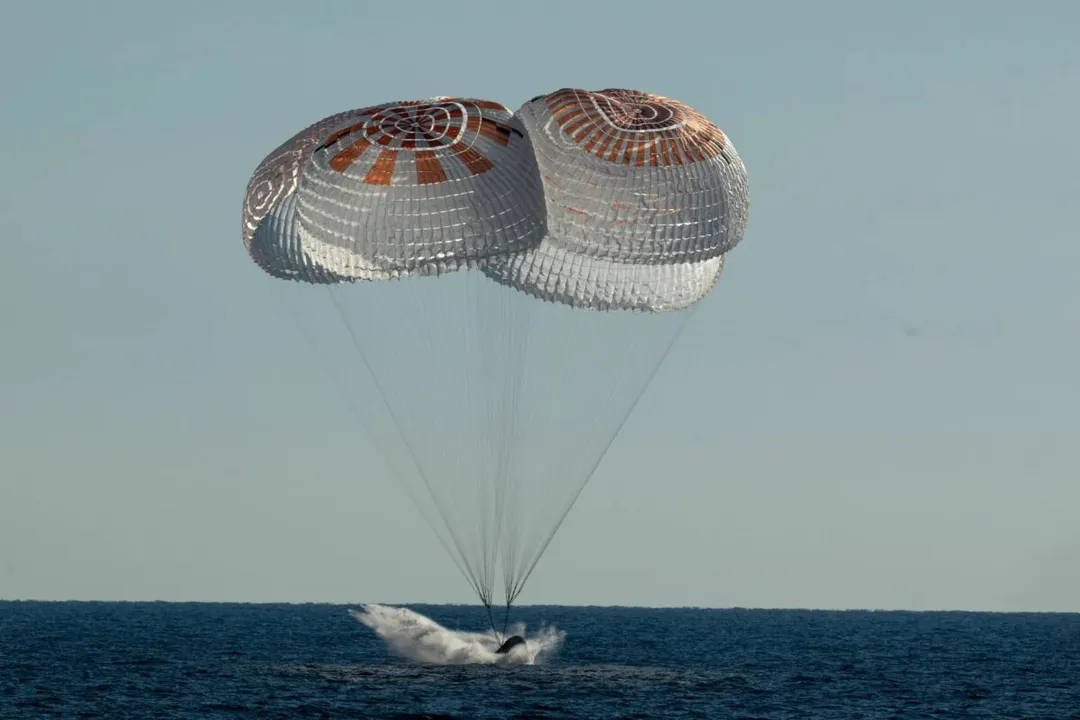
#Videos
Astronauts Return To Earth From the ISS. Undocking and Landing
How do astronauts return to Earth? [with Closed Captions] - YouTube
How Space X Crew 10 Transfer & Return to Earth Works? - YouTube
Related Questions
What is the approximate orbital velocity astronauts maintain for Low Earth Orbit missions?What maneuver is performed while a spacecraft is still in orbit to begin the return to Earth?What causes the superheated plasma sheath surrounding a spacecraft during high-speed reentry?How do ablative heat shields, like those on Soyuz and Crew Dragon, protect the crew compartment?What is a risk if the angle of attack during reentry is too shallow?What is the typical range of peak G-loads experienced by astronauts in capsules during ballistic reentry?How did the retired Space Shuttle manage deceleration to result in generally lower peak G-loads compared to capsules?What specific mechanism cushions the final impact for the Soyuz capsule during its land landing?What is the role of the drogue parachutes in the multi-staged deployment sequence for capsules?What design philosophy is reflected in the use of ablative shields for capsules like Soyuz and Dragon?