By what factor does visible mass fall short in massive clusters like Coma?
By a factor of five or more
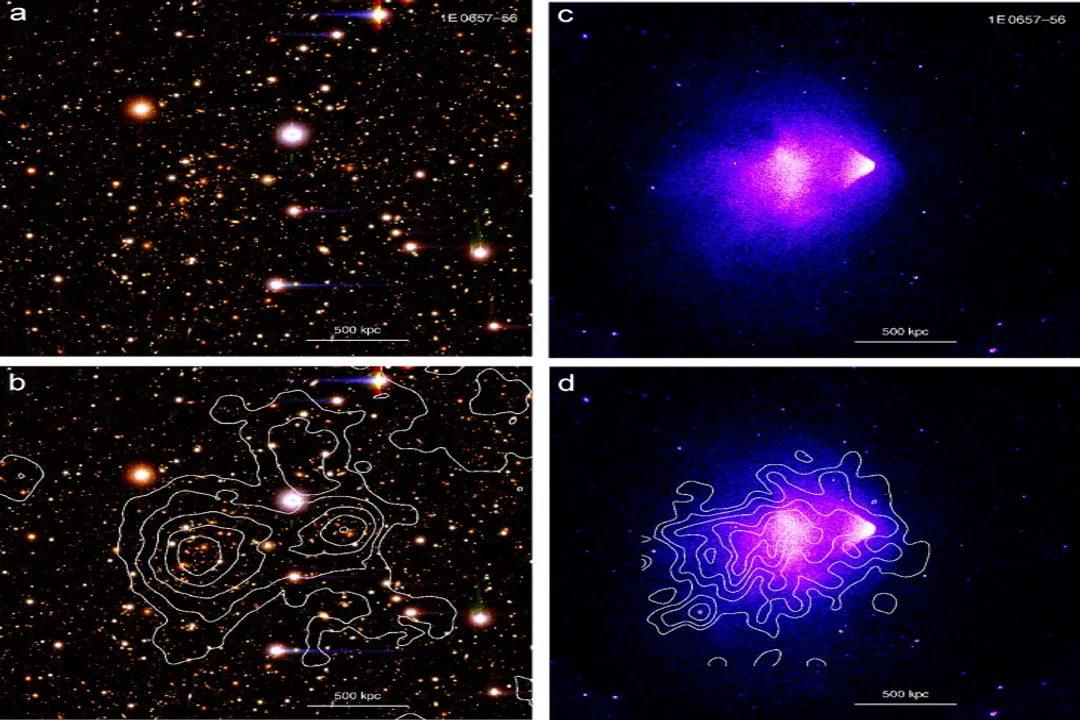
The comparison between visible matter and the required total mass is most stark when examining massive systems like the Coma Cluster or the Virgo Cluster. If scientists were to quantify the combined mass contributed by all observable stars within the hundreds of galaxies and the mass inferred from the light output of the superheated intracluster medium (ICM), this total baryonic mass is found to be insufficient to maintain gravitational stability. Specifically, the visible mass falls short by a factor of five or greater compared to the mass required to counteract the kinetic energy of the moving galaxies and keep the system from dispersing. This significant deficit highlights the dominance of the invisible mass component—dark matter—which provides the necessary gravitational scaffolding.
#Videos
Why Are Galaxy Clusters Important For Understanding The Universe?